


"Why is My Cat Pooping NEXT to the New Box?"
by Taylor Claier on Dec 17, 2025
Finding your cat has used the floor next to their brand new litter box instead of inside it can be a puzzling and frustrating experience. You just invested in a solution, yet the problem persists.
This guide helps you troubleshoot this common issue by looking at factors you might overlook. We'll explore how simple things like the litter's depth—where most cats prefer 2-3 inches—or lingering scents from cleaning products can turn a perfect new box into an avoidance zone. You'll learn effective strategies to fine-tune your litter box setup, including why daily scooping is crucial, and encourage your cat to use it consistently.
Industry Manufacturers List
Quick Comparison: Top Picks
| Manufacturer | Location | Core Strength | Verdict |
|---|---|---|---|
| Check if the litter box surface feels cold to your touch | Home environment | Assessment of litter box plastic, tray base, and adjacent floor temperature by hand | Litter box comfort troubleshooting |
| Consider room temperature and drafts around the litter box | Home environment | Observation of HVAC vents, exterior doors, windows, and unheated spaces near the box | Environmental setup for litter box use |
| Assess litter temperature and type | Home environment | Check of litter material, depth, and temperature by hand | Comfort optimization for sensitive or senior cats |
| Look for signs that cold surfaces worsen mobility or pain | Home environment | Behavioral observation of entry, stance, and exit from the box on cold days | Cats with arthritis or mobility disorders |
| Test a warmer, non‑drafty litter box location | Home environment | Trial placement of a litter box on an insulating mat in a warmer room | Practical experiment to confirm temperature-related aversion |
Check if the litter box surface feels cold to your touch
This assessment guides cat owners to check the temperature of their cat's litter box environment. By touching the litter box sides, floor, and surrounding area with a bare hand, owners can identify if these surfaces feel significantly colder than the rest of the room. This direct approach helps pinpoint potential discomfort factors for felines.
The importance of this temperature check stems from feline behavior. Cats can be sensitive to cold surfaces, and an overly chilly litter box or adjacent flooring might discourage them from using the box for defecation. Addressing this simple environmental factor can help improve a cat's comfort and willingness to use their litter facility.
At a Glance:
- 📍 Location: Home environment
- 🏭 Core Strength: Assessment of litter box plastic, tray base, and adjacent floor temperature by hand
- 🌍 Key Markets: Litter box comfort troubleshooting
Why We Picked Them:
| ✅ The Wins | ⚠️ Trade-offs |
|---|---|
|
|
Consider room temperature and drafts around the litter box
Cats need a comfortable spot for their litter box. If it's too cold or drafty, they might not use it. Check for placements near unheated rooms, basements, or close to exterior doors, windows, and vents that let in cold air.
These cold spots or drafts make a cat physically uncomfortable. This discomfort can lead to them avoiding the litter box, causing behavioral issues. Observing areas like HVAC vents and exterior openings helps pinpoint the problem.
At a Glance:
- 📍 Location: Home environment
- 🏭 Core Strength: Observation of HVAC vents, exterior doors, windows, and unheated spaces near the box
- 🌍 Key Markets: Environmental setup for litter box use
Why We Picked Them:
| ✅ The Wins | ⚠️ Trade-offs |
|---|---|
|
|
Assess litter temperature and type
Understanding the comfort of a cat's litter involves a simple yet crucial step: assessing its temperature and texture. By running your fingers through the litter, you can identify if it feels cold or harsh, particularly with mineral or crystal types on a cool floor. This quick check helps you understand your cat's experience at their litter box.
This approach focuses on a direct, hands-on check of the litter's material, depth, and temperature. It is designed specifically for comfort optimization, especially beneficial for sensitive or senior cats. Ensuring the litter is not too cold or rough helps prevent discomfort, which can be amplified for cats with arthritis or paw sensitivities, allowing them to use their litter box without pain.
At a Glance:
- 📍 Location: Home environment
- 🏭 Core Strength: Check of litter material, depth, and temperature by hand
- 🌍 Key Markets: Comfort optimization for sensitive or senior cats
Why We Picked Them:
| ✅ The Wins | ⚠️ Trade-offs |
|---|---|
|
|
Look for signs that cold surfaces worsen mobility or pain
Observing your cat's behavior around cold surfaces can reveal hidden discomfort, particularly for older or arthritic animals. Pay close attention if your cat hesitates before stepping onto cold plastic or tile, appears stiff, or quickly retreats from areas like a litter box. These actions suggest that cold temperatures are exacerbating joint stiffness and making movements like squatting painful.
Understanding these subtle signs is crucial for early intervention. If you notice a consistent pattern of reluctance or pain, it's vital to warm up the affected areas in their environment. This simple step can provide immediate relief. Simultaneously, consulting a veterinarian is recommended to address potential underlying mobility issues, ensuring your cat receives comprehensive care.
At a Glance:
- 📍 Location: Home environment
- 🏭 Core Strength: Behavioral observation of entry, stance, and exit from the box on cold days
- 🌍 Key Markets: Cats with arthritis or mobility disorders
Why We Picked Them:
| ✅ The Wins | ⚠️ Trade-offs |
|---|---|
|
|
Test a warmer, non‑drafty litter box location
This test involves relocating a litter box to a warmer, quieter room, away from drafts and cold floors. An insulating mat or rug can be placed under the box to further enhance warmth. The primary goal is to observe if a cat's preference for this warmer setup indicates that cold conditions at the original location were causing avoidance.
The core of this approach is a practical experiment: the trial placement of a litter box on an insulating mat in a warmer room. This method is designed for home environments, serving as a direct experiment to confirm if temperature-related aversion impacts a cat's litter box habits.
At a Glance:
- 📍 Location: Home environment
- 🏭 Core Strength: Trial placement of a litter box on an insulating mat in a warmer room
- 🌍 Key Markets: Practical experiment to confirm temperature-related aversion
Why We Picked Them:
| ✅ The Wins | ⚠️ Trade-offs |
|---|---|
|
|
Is the Litter Too Deep/Shallow?
The ideal cat litter depth is typically 2-3 inches for most cats and standard litter boxes, though it varies by litter type, cat age, and behavior. Litter that is too deep (over 4 inches) can cause instability, leading to litter flinging or avoidance. If it's too shallow (under 1-2 inches), it prevents proper digging and covering.
Ideal Litter Depth for Cat Comfort
Most cats and standard litter boxes need 2-3 inches of litter for effective use.
Optimal depth varies based on litter type, the cat's age, and individual behaviors.
Clumping litter performs best at 3-4 inches, allowing for tight clump formation and better odor control.
Kittens and senior cats often prefer 1.5-2 inches, offering better stability and reducing joint stress.
Self-cleaning litter boxes typically require around 2 inches of litter to prevent sensor jams, following manufacturer guidelines.
Recognizing and Adjusting Litter Level Issues
Signs of too-deep litter include cats flinging litter, sinking, or avoiding the box due to an unstable surface.
Too-shallow litter can result in inadequate waste covering, poor clumping, lingering odors, or elimination outside the box.
To correct overly deep litter, reduce the amount by 0.5 inches and consider adding a litter mat.
Increase shallow litter to at least 2 inches; many cats prefer shallower beds rather than deep ones.
Measure litter depth with a ruler regularly, and replenish it every few days to maintain a consistent level.
Scent Verification.
Cats are highly sensitive to odors, frequently avoiding litter boxes that smell soiled, or have strong artificial scents from litter or cleaning products. This aversion can signal discomfort or underlying issues. Effective scent management involves daily scooping, thorough bi-weekly cleaning with unscented enzymatic cleaners, and using unscented litter to ensure the box remains appealing to the cat.
Feline Scent Perception and Aversions
Cats are highly sensitive to cleanliness. They often avoid a litter box with even a single urine clump or soiled litter because of the smell or feel.
They might dislike specific litter types or textures. Cats generally prefer unscented clumping litter.
When a cat avoids certain scents, it can point to deeper issues. This could be anything from not liking the litter box to stress in their environment.
Strategies for Scent Management
Scoop litter boxes daily. This removes waste and keeps them fresh, stopping odor buildup that makes cats not want to use the box.
Clean litter boxes completely every two weeks. Use enzyme cleaners to get rid of any lingering smells.
If accidents happen outside the box, use enzymatic cleaners on those spots. This neutralizes cat urine and feces odors, which otherwise strongly encourage repeat marking.
Think about using unscented litter. Strong perfumes in scented litter can bother cats.
The Impact of Cleaning on Cat Scent Preferences
While cleanliness is important, some cleaning practices can actually make cats avoid their litter box. Cats often dislike boxes that are too perfumed, heavily disinfected, or frequently switched to unfamiliar products. Strong odors and sudden changes can cause aversion and stress for them.[3][6]
Over-sanitizing with harsh cleaners can leave lingering smells that cats dislike. This might lead them to eliminate on softer, more neutral-smelling surfaces in the house instead.[3]
A box that seems "too clean" to a person can still be "functionally dirty" to a cat. Even with regular scooping, residual odors from disinfectants, high-ammonia urine, or scented litter can make the box unpleasant for the cat.[3][5] Some cats will reject a box after only a small amount of waste is present, even if their owner thinks it's clean.[2][3]
Human preferences for cleanliness sometimes clash with what a cat prefers. People often pick covered boxes, automatic cleaners, liners, and strong deodorizers to control mess and smell. However, many cats find these setups noisy, scary, or unpleasant to touch and smell.[2][3][6] This focus on human-centric cleanliness can sometimes increase inappropriate elimination, as cats look for quieter, less odorous, and more stable places outside the box.[2][3][6]
Optimizing Litter Depth for Scent and Comfort
Getting the right litter depth is key to your cat's comfort and effective odor control. For most cats and standard litter boxes, a depth of 2-3 inches works well. However, this can change based on the type of litter, the cat's age, and their specific behaviors. Too much litter (over 4 inches) can make the box unstable, leading to cats flinging litter or avoiding the box. Too little litter (under 1-2 inches) prevents proper digging and covering, which also impacts how well odors are contained.[1][2][5][6]
Recommended Depths by Category
| Category | Recommended Depth | Key Reasons and Notes |
|---|---|---|
| Standard/Non-Clumping Litter | 2-3 inches[1][2][5] | Allows digging, odor control, and prevents waste from sticking to the bottom; good airflow reduces scatter.[3] |
| Clumping Litter | 3-4 inches[1][2] | Enables tight clump formation for easier scooping and better odor trapping.[1] |
| Kittens (under 6 months) | 1.5-2 inches[1][6] | Prevents instability under small paws; easier access.[1] |
| Adult Cats | 2-4 inches[1] | Deeper for diggers (e.g., Maine Coons); observe behavior like frantic digging or edge perching as signs to adjust.[1][2] |
| Senior Cats or Mobility Issues | 1.5-2 inches[1][6] | Reduces joint stress; pair with low-entry boxes.[1] |
| Self-Cleaning Boxes | ~2 inches[1] | Avoids sensor jams; follow manufacturer guidelines.[1] |
Signs of Incorrect Depth and Fixes
If the litter is too deep, your cat might fling it out, sink in, or avoid the box because the surface feels unstable.[1][2] To fix this, reduce the depth by about half an inch and add a litter mat.
If the litter is too shallow, there might be inadequate covering, poor clumping, lingering odors, or your cat might poop outside the box.[1][6] Increase the depth to at least 2 inches. Most cats prefer a moderately shallow bed rather than a very deep one.[6]
For issues like pooping next to the box, especially if related to depth, try using about 2 inches of unscented clumping litter in a low-sided box. Cats often reject deep litter (3-4+ inches) or dislike hoods and liners.[6]
Measurement and Maintenance
Measure litter depth with a ruler, not just by looking. Remember that larger boxes need more volume to reach the same depth.[1] Top off the litter every few days, and do a full litter change every 2-3 weeks.[1] Organizations like ASPCA suggest 1-2 inches as a common preference for resolving litter box avoidance.[6]
Upgrade to the Ultimate Stainless Steel Litter Box
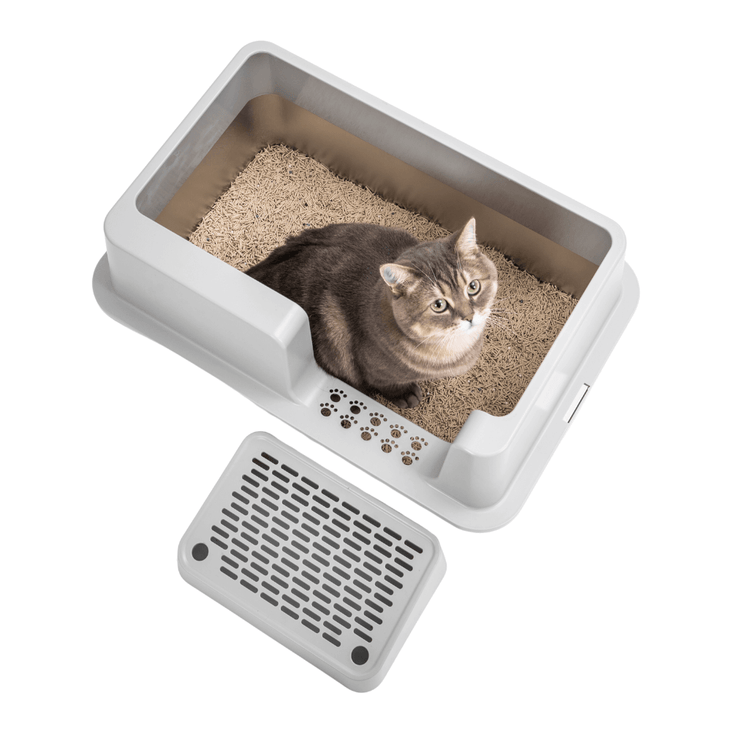
The "Cleanliness" Paradox
Cats might avoid their litter boxes even when owners keep them meticulously clean. Extremely clean environments, strong scents from perfumes or disinfectants, or constantly changing products can stress cats. A box that seems clean to a person might still be dirty to a cat due to lingering odors from disinfectants or old urine. Our preferences for covered boxes or automatic cleaners often clash with a cat's natural senses, causing them to find other places to eliminate. Focusing too much on cleanliness can also hide underlying medical issues. Plus, some clean boxes might be too hard for older or mobility-challenged cats to use, or owners might clean one box excessively while not providing enough boxes in total.
| Category | Recommended Depth | Key Reasons and Notes |
|---|---|---|
| Standard/Non-Clumping Litter | 2-3 inches[1][2][5] | Allows digging, odor control, and prevents waste from sticking to the bottom; good airflow reduces scatter.[3] |
| Clumping Litter | 3-4 inches[1][2] | Enables tight clump formation for easier scooping and better odor trapping.[1] |
| Kittens (under 6 months) | 1.5-2 inches[1][6] | Prevents instability under small paws; easier access.[1] |
| Adult Cats | 2-4 inches[1] | Deeper for diggers (e.g., Maine Coons); observe behavior like frantic digging or edge perching as signs to adjust.[1][2] |
| Senior Cats or Mobility Issues | 1.5-2 inches[1][6] | Reduces joint stress; pair with low-entry boxes.[1] |
| Self-Cleaning Boxes | ~2 inches[1] | Avoids sensor jams; follow manufacturer guidelines.[1] |
When Human Cleanliness Detours Feline Acceptance
Hyper-clean environments, including strong perfumes, harsh disinfectants, or frequent changes to unfamiliar products, can increase litter box avoidance due to creating aversion and stress for cats.
A box perceived as 'too clean' by owners can still be 'functionally dirty' to a cat due to accumulating strong residual odors from disinfectants, high-ammonia urine, or scented clumping litter.
Human preferences for covered boxes, automatic-cleaning robots, liners, and strong deodorizers often conflict with feline sensory preferences, leading cats to seek quieter, less odorous elimination spots.
Beyond Surface Cleanliness: Unseen Challenges
Excessive focus on litter box sanitation by owners can mask and delay veterinary evaluation for underlying medical problems such as arthritis, inflammatory bowel disease, or urinary disease.
Meticulously clean but high-sided, deep, or covered boxes can be physically inaccessible for senior cats or those with mobility issues, prompting elimination right next to the box.
Over-cleaning a single box can overlook the critical guideline of providing at least one litter box per cat plus one extra, distributed in different, accessible areas.
Behavioral data indicate that about 10% of cats develop elimination problems at some point, even when owners maintain what they consider very clean litter box setups.
Frequently Asked Questions
My cat is missing the litter box. What should I do?
First, check for medical problems. Sudden or repeated pooping next to the litter box can be an early sign of medical issues such as intestinal disease, urinary tract disease, kidney or bladder problems, or painful arthritis. A vet exam is recommended if accidents are new, frequent, or involve other concerning symptoms. Then, focus on litter box cleanliness and size. Cats often avoid dirty or small boxes; scoop daily and deep-clean every 1–2 weeks, ensuring the box is large enough. Provide enough boxes, following the 'n+1' rule (one box per cat plus one extra), and place them in quiet, easily accessible areas. Optimize box design and litter type, as cats can dislike high sides, hoods, liners, or abrupt changes in litter. Most prefer unscented, fine-textured clumping litter at about 2 2-inch depth. Finally, address stress, conflict, and negative associations. Social stress or past painful experiences can cause avoidance, reduce stressors, and rebuild positive associations.
Why is my cat pooping right outside the litter box?
Cats pooping right outside the litter box is most commonly caused by medical issues, dirty or unsuitable litter boxes, stress/anxiety, mobility problems, or inter-cat aggression. Start with a veterinary check to rule out conditions like arthritis, infections, constipation, or inflammatory bowel disease, which can cause pain or urgency. Next, review litter box hygiene and setup: scoop daily, fully clean weekly, ensure low-sided spacious boxes, and apply the 'one box per cat + one extra' rule in quiet spots. Address stress and environmental triggers like new pets, moves, or noises, by adding private boxes, using pheromone diffusers, or increasing play. Lastly, thoroughly clean accidents with enzyme cleaners to remove pheromones that attract repeat use.
What causes litter box avoidance in cats, and how can I troubleshoot it?
Litter box avoidance, often seen as pooping next to or outside the box, is commonly caused by medical issues (digestive issues, arthritis, diabetes, kidney disease), a dirty litter box, setup problems (high sides, covered boxes, robotic cleaners), stress or anxiety, mobility issues in older cats, or insufficient boxes in multi-cat households. To troubleshoot, begin with a vet check to rule out health issues, as this is the most common underlying cause. Then, clean and optimize the box: scoop daily, ensure 'cats +1' boxes, place them in quiet, accessible areas, and use low-sided, open boxes for seniors. Reduce the appeal of accident spots with enzyme cleaners and temporary deterrents. Address stress, and if problems persist, experiment with larger boxes, unscented litter, or revert any recent changes. For multi-cat homes, monitor dynamics closely.
Is a stainless steel litter box too slippery for my cat?
Bare, smooth stainless steel is relatively slippery, with static coefficients of friction commonly around 0.2 for contact with other smooth surfaces. This is low compared to many other materials, meaning a plain stainless steel litter box can feel slick to a cat, especially if there is dust, urine, or fecal residue. This slipperiness may contribute to avoidance or accidents next to the box.
Why is my cat pooping next to, but not in, the litter box, and what are the troubleshooting steps?
Most often, this indicates a problem with the litter box itself (location, cleanliness, type of box or litter) or the cat is stressed or in pain. Medical issues like constipation, arthritis, or bowel disease can make using or posturing in the box uncomfortable. Sudden changes in the home or box setup can also trigger this. The first step is to rule out a medical problem with a vet exam, especially for older cats or if symptoms like diarrhea, blood, or straining are present. Next, clean the litter box more often and thoroughly, scooping daily (or twice daily for multi-cat homes) and washing/refilling every 1–2 weeks with unscented enzyme cleaner. Provide enough litter boxes (n+1 rule), placed in quiet, low-traffic, easily accessible areas, not all in one room or near food/water. Adjust the litter box and litter type to your cat’s preferences; many dislike covered boxes, high sides, or automatic cleaners. Most prefer large, low-entry, open boxes with unscented, clumping litter 2–4 inches deep. If problems began after changes, revert to the last successful setup. De-stress the cat by providing vertical spaces, hiding spots, and predictable routines, and ensure the box is a safe toilet. Clean accidents properly with enzyme-based cleaners and physically block habit spots. If you catch your cat about to go outside, gently place them in the box. Reward correct use, and avoid punishment. If the problem persists for several weeks despite these changes, consult your vet again or seek referral to a veterinary behaviorist.
What is middening behavior in cats?
In cats, middening is the deliberate placement of feces in a visible, open area (often on floors, beds, or along common pathways) as a territorial or communication signal, rather than an accident or simple litter-box avoidance. Unlike normal elimination, middening feces are typically left uncovered and placed where they are easily noticed. This behavior often occurs during periods of stress, conflict with other pets, or major household changes, and is considered after medical and typical litter box problems are ruled out.
Finding your cat eliminating outside the new litter box often comes down to several factors rather than a single cause. It could be that the litter depth isn't quite right, strong smells from cleaning products are bothering them, or the box itself just isn't appealing. What feels clean and convenient for us might feel wrong or even stressful for a cat.
Addressing this behavior means first ruling out medical reasons with a vet visit. After that, focus on making the litter box a comfortable and inviting spot. Try adjusting the litter depth, opt for unscented litter, and clean the box regularly with gentle, non-irritating products. Watch your cat's reactions carefully and introduce any changes gradually to help them feel secure about using their designated toilet.
Robots Can't Keep Up: Why 4 Cats Break Automatic Boxes
Is the Sifting Pan Too Heavy? Techniques for [Petite Owners]
Taking the Lid Off: Transitioning from Covered Plastic to Open Steel
The "Non-Stick" Economy: How Stainless Steel Saves 30% on Litter