


How to Upgrade Your Cat's Entire Bathroom Setup
by Taylor Claier on Nov 08, 2025
Imagine your cat hesitating at the litter box, showing signs of discomfort or avoidance. For many cat owners, this signals a need to rethink their pet’s bathroom environment.
Cats are particular creatures that require a thoughtfully arranged litter space to feel at ease. Small changes in box size, litter texture, and placement can transform daily litter routines into stress-free moments for your feline companion.
This guide provides practical steps to upgrade your cat's bathroom setup. By focusing on key elements like litter box choice, placement, and cleanliness, you can create a comfortable and efficient space that satisfies your cat’s instincts and blends with your home's style.
Essential Insights for Enhancing Your Cat’s Bathroom Space
- Choosing the right litter box size and texture, plus placing it in a calm, appropriate spot, significantly improves your cat’s bathroom habits.
- Maintaining cleanliness and observing your cat’s preferences can prevent accidents and create a welcoming bathroom environment.

Choosing the Right Litter Box and Litter
Selecting the ideal litter box and litter type is crucial to establishing a successful and comfortable bathroom setup for your cat. Cats have unique preferences that often depend on their size, age, and personality, which influence their comfort and willingness to use the litter box consistently. A box that's too small can cause stress and avoidance behaviors because cats need enough room to turn around and dig naturally. According to veterinary studies, this space is essential for them to perform their instinctual elimination rituals, and inadequate room can lead to anxiety and accidents outside the box.
Similarly, the texture of the litter plays a significant role in feline comfort and health. Some cats prefer soft, fine-grained litter that feels gentle on their paws, while others favor coarser textures that resemble outdoor soil or sand. The depth of the litter is also a factor; most cats prefer a consistent depth of about two to three inches, which allows for sufficient digging and covering. Offering a litter that matches your cat’s tactile preferences can encourage consistent use, reduce stress, and prevent litter refusal. Understanding and accommodating these preferences by experimenting with different litter types ensures a pleasant bathroom experience tailored to your cat’s needs, laying the foundation for a hygienic and stress-free environment.
Finding the Perfect Litter Box Size and Style
Choosing a litter box that comfortably fits your cat’s size is essential for their well-being and consistent use. The general rule is that the box should be at least 1.5 times the length of your cat from nose to tail base, giving them enough room to enter, turn around, and dig without feeling cramped. Larger breeds like Maine Coons or Ragdolls particularly require bigger boxes to avoid stress that can lead to avoidance behavior. In contrast, smaller cats or kittens may prefer more compact options that feel secure without overwhelming their space.
Take the case of Alex, who noticed his large Maine Coon, Leo, was frequently urinating just outside his standard-sized litter box. Frustrated, Alex switched to an extra-large, open-top box. The change was immediate. Leo had ample room to maneuver, and the accidents stopped completely, illustrating how a simple size upgrade can resolve long-standing behavioral issues.
When deciding between covered and uncovered litter boxes, consider your cat’s personality. Covered boxes offer privacy and help contain odors and litter scatter, but some cats may feel trapped or anxious inside. Uncovered boxes allow for better ventilation and easy access, which is preferable for timid or larger cats who dislike feeling confined. Monitoring your cat’s reactions is key; signs such as reluctance to enter or lingering just outside the box can indicate that a change is needed. For inspiration on creating a comfortable and efficient setup, explore cat litter box area ideas to find layouts that suit both your home and your furry friend’s needs.
Elevate Your Cat's Hygiene
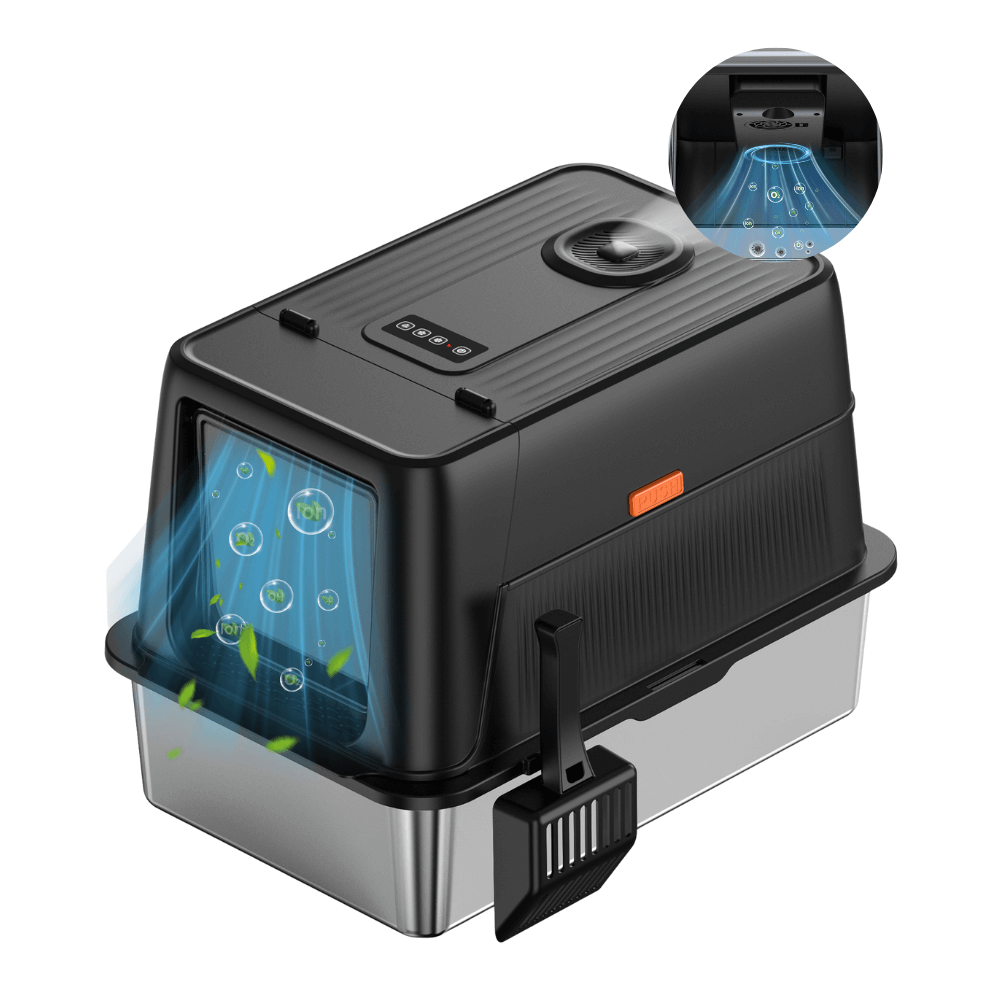
Experience the ultimate in litter box convenience with our XL Full Enclosed Stainless Steel Litter Box. Its smart ionizer deodorizer and easy-to-clean design ensure a fresh and pleasant home for you and your pets. Take advantage of our Autumn Savings sale now!
Selecting the Right Litter Texture
Cats are highly sensitive to the texture of their litter, and their preferences can vary widely. Some enjoy soft, fine-grained litters that mimic natural sand or soil, while others prefer coarser materials. Soft-textured litters are often favored by kittens or cats with delicate paws, providing a gentle surface that encourages consistent use. Meanwhile, coarser litters can appeal to cats that prefer more solid footing. Many veterinarians recommend unscented, clumping litter because it's easier to keep clean and its fine texture is agreeable to most cats.
Common litter types include clumping clay, silica crystals, recycled paper, and natural plant-based litters like wood pellets or corn. Each has pros and cons: clay litters clump well but can be dusty, silica offers excellent odor control but may feel rough, and plant-based options are eco-friendly but may not suit every cat’s texture preference. To find the best fit, experiment gradually. To transition your cat, mix a small amount of the new litter with the old, gradually increasing the ratio over a week or two. This slow introduction helps your cat acclimate without causing stress or rejection of the box entirely. For a deeper dive into the varieties and uses of cat litter, see our comprehensive cat litter types guide.
Optimizing Litter Box Placement and Environment
Choosing the right location for your cat's litter box is just as important as the box and litter themselves. Animal behavior research shows that proper placement is crucial for fostering positive bathroom habits and reducing stress. Cats naturally seek out quiet, low-traffic areas where they can use the litter box undisturbed, such as a guest bathroom, a laundry room, or a quiet office corner. Placing the box in a busy or noisy area can cause your cat to feel vulnerable or anxious, leading to avoidance or inappropriate elimination elsewhere in the home. It is also wise to ensure the location has an escape route, meaning the cat doesn't feel cornered while using the box.
Environmental factors also play an important role in your cat’s willingness to consistently use the litter box. A calm, private space limits distractions and disturbances, encouraging your cat to relax. This is why positioning the litter box away from loud appliances, heavily trafficked hallways, and their food and water bowls is a must. This separation respects cats’ instinctual drive to keep eating and toileting spaces distinct, promoting a sense of safety and comfort. By carefully observing your cat’s behavior and adjusting the box location accordingly, you create an inviting and secure environment that supports healthy habits.
Ideal Spot Selection for Your Cat’s Litter Box
Choosing the right location for your cat's litter box is essential for encouraging consistent, stress-free use. Quiet, low-traffic areas such as bathrooms, laundry rooms, or spare closets are ideal because they provide a calm environment where your cat can feel safe and undisturbed. Cats are most vulnerable when eliminating, so they instinctively seek privacy. Placing the box away from busy hallways or noisy appliances reduces anxiety and promotes positive litter box habits. Ensure the location is always accessible and not behind a door that could accidentally get closed.
It is equally important to avoid positioning the litter box near food and water bowls. This aligns with your cat’s instinctual preference to keep eating and toileting areas separate, a behavior rooted in avoiding contamination in the wild. In a home with multiple cats, the rule of thumb is one litter box per cat, plus one extra. These boxes should be placed in different locations to prevent one cat from "guarding" the resource and blocking others from accessing it. For more ideas on setting up a harmonious bathroom area, check out our guide on how to create a dedicated cat bathroom station that balances comfort, privacy, and accessibility.
Working with Your Cat’s Natural Preferences
When a cat consistently chooses an alternate spot for toileting, it’s a clear signal to consider relocating the litter box to that preferred area. Cats are creatures of habit and comfort, so adapting the bathroom setup to their natural preferences can prevent frustration and reduce unwanted accidents. Observing your cat’s behavior closely helps identify these favored locations, allowing you to create a bathroom space tailored to their needs rather than forcing them to adjust to an inconvenient spot.
Consider Sarah, whose cat, Luna, consistently soiled a quiet corner in the laundry room despite having a clean litter box in the bathroom. Instead of fighting this preference, Sarah placed a second litter box in that exact corner. Luna immediately started using it, and the accidents ceased. This simple act of adapting to Luna’s chosen spot restored harmony in the household.
Equally important is thoroughly cleaning and removing odors from previous accident sites. Lingering smells, which pet care experts confirm can attract cats back to the same spot, must be neutralized to discourage repeat soiling. This ongoing observation and adaptability in response to your cat’s habits will foster long-term success in maintaining harmony. For more insight, explore solutions to common cat behavior issues.
Maintaining Cleanliness and Organizing Supplies
Maintaining a clean and well-organized cat bathroom area is essential for your pet’s comfort and health, while also enhancing the overall look of your home. A dirty litter box is one of the most common reasons for a cat to eliminate elsewhere. Regularly scooping the box at least once a day and thoroughly washing it weekly with pet-safe cleaners will prevent odor buildup and discourage avoidance. In addition, addressing any accidental spills or stains promptly with an enzymatic cleaner helps keep the environment fresh and inviting for your feline friend.
To combine practicality with style, consider using dedicated storage solutions that neatly hold litter, scoops, and cleaning products out of sight yet within easy reach. Options such as multi-functional furniture pieces or decorative bins can conceal supplies while fitting seamlessly into your home décor. By establishing a routine cleaning schedule and organizing supplies thoughtfully, you create a pleasant, stress-free bathroom setup that both you and your cat will appreciate. A clean space is not just about aesthetics; it’s a cornerstone of preventative health care for your cat.
Effective Cleaning Practices
Thorough and regular cleaning of litter boxes is essential to prevent odors that can deter your cat from using their bathroom space. It’s important to clean not only the litter box but also any spots where accidents occurred. Lingering urine or feces smells often cause repeat soiling. Enzymatic cleaners are particularly effective because they contain proteins that break down the specific organic matter in pet waste, completely eliminating odors rather than just masking them. This is crucial, as a cat's powerful sense of smell can detect leftover scents that humans can't.
Experts recommend scooping waste at least once daily and completely changing the litter, and washing the box weekly with mild, unscented soap. Avoid harsh chemicals or ammonia-based products, which may worsen odors or irritate your cat’s sensitive nose. Maintaining this schedule prevents the buildup of bacteria and ammonia, which can be harmful to both you and your pet. For maintaining an organized and efficient space, refer to our guide on how to organize cat supplies to keep cleaning tools and litter neatly stored.
Design Ideas for a Modern Cat Bathroom Station
Transforming your cat’s bathroom space into a modern, stylish station not only enhances your home’s aesthetic but also makes maintenance more convenient. Using specially designed cat furniture or enclosures can cleverly conceal litter boxes and related supplies, creating a cohesive look that blends with your decor. These enclosures often feature built-in ventilation to control odors and easy-access doors for cleaning, ensuring your cat enjoys a comfortable and private space while keeping your home fresh. Options range from simple cabinets to benches and side tables that serve a dual purpose.
Storage is key to keeping the area organized. Consider adding dedicated shelving or attractive bins for litter bags, scoops, and cleaning products so everything is within reach but neatly tucked away. A waterproof mat under the enclosure can protect your floors and catch stray litter. To illustrate the benefits, the table below contrasts basic versus upgraded setups, highlighting improvements in space utilization, organization, and visual appeal, making it clear how investing in well-designed furniture can elevate both convenience and style.
| Feature | Basic Setup | Upgraded Setup |
|---|---|---|
| Litter Box | Standard plastic open-top box placed in a corner. | Litter box enclosure furniture that hides the box and contains odor. |
| Supplies Storage | Litter bag and scoop left out next to the box. | A dedicated cabinet or stylish bin to store litter, scoops, and liners. |
| Odor Control | Occasional scooping; relies on litter's built-in deodorizer. | Daily scooping, high-quality litter, and an air purifier or charcoal filter. |
| Aesthetics | Utilitarian and can clash with home decor. | Seamlessly integrated into the room's design, functional and attractive. |
Conclusion
Creating an ideal cat bathroom setup hinges on a few key principles. By selecting the right size and style of litter box, choosing a litter texture your cat prefers, and placing it in a quiet, low-traffic location, you directly support your cat's comfort and natural habits. Consistent cleaning and organized supply storage further enhance your cat's health and integrate the space seamlessly into your home.
Apply these strategies to build a bathroom environment that both you and your pet will appreciate. A well-designed space promotes good hygiene, prevents common behavioral issues, and strengthens the bond with your feline companion. Explore quality products that can help you achieve this perfect balance of function and style.
Frequently Asked Questions
What do you need?
To create an effective cat bathroom setup, you need three core components: the right litter box, the right litter, and the right location. Start with a litter box that is at least 1.5 times the length of your cat to ensure they have enough room to move freely. Next, select a litter with a texture your cat finds comfortable—most prefer a soft, fine-grained, unscented clumping litter. Finally, place the box in a quiet, low-traffic area away from your cat's food and water bowls to respect their natural instincts for hygiene and privacy. These elements together create a reliable and stress-free environment.
How to make it look nice?
You can create an attractive cat bathroom by integrating it into your home decor. Use modern cat furniture, such as enclosures designed as side tables or benches, to cleverly conceal the litter box and contain odors. These pieces transform a utilitarian item into a functional part of your room. Organize supplies like litter, scoops, and bags in stylish woven baskets or a dedicated cabinet to eliminate clutter. Placing a decorative, waterproof mat beneath the box or enclosure can also catch stray litter while complementing your floor. These simple additions turn a basic setup into a clean, organized, and aesthetically pleasing station.
Food & litter box in same room?
It is strongly advised to avoid placing your cat’s litter box near their food and water bowls. Cats have a powerful natural instinct to keep their eating, drinking, and toileting areas separate to avoid contamination. Placing them too close together can cause stress and may lead to the cat avoiding either their food or their litter box, resulting in health or behavioral problems. If you live in a small space and options are limited, try to create as much distance as possible, perhaps by placing them on opposite walls of the same room. The goal is to honor their instinct for separation to ensure they feel safe and comfortable.
Robots Can't Keep Up: Why 4 Cats Break Automatic Boxes
Is the Sifting Pan Too Heavy? Techniques for [Petite Owners]
Taking the Lid Off: Transitioning from Covered Plastic to Open Steel
The "Non-Stick" Economy: How Stainless Steel Saves 30% on Litter