


The Best Litter Box Setup for [Multi-Cat Households] in 2026
by Laura Jane on Apr 13, 2026
Running a multi-cat facility presents unique challenges, from managing odors to preventing territorial disputes. A sub-optimal litter box setup often creates these issues. Maintaining a clean, harmonious environment for multiple felines demands a strategic, informed approach to their essential facilities.
This guide offers a clear roadmap to building an effective multi-cat litter box system. We'll cover optimal box quantity, ideal sizing, strategic placement, and robust odor control. For instance, expert veterinary guidelines recommend an 'N+1' rule, suggesting three cats need four litter boxes, and each box should be at least 1.5 times the length of your largest cat to ensure comfort and prevent avoidance.

Effortless Clean, Happy Cat: Discover Our Stainless Steel Litter Boxes.
Final Thoughts
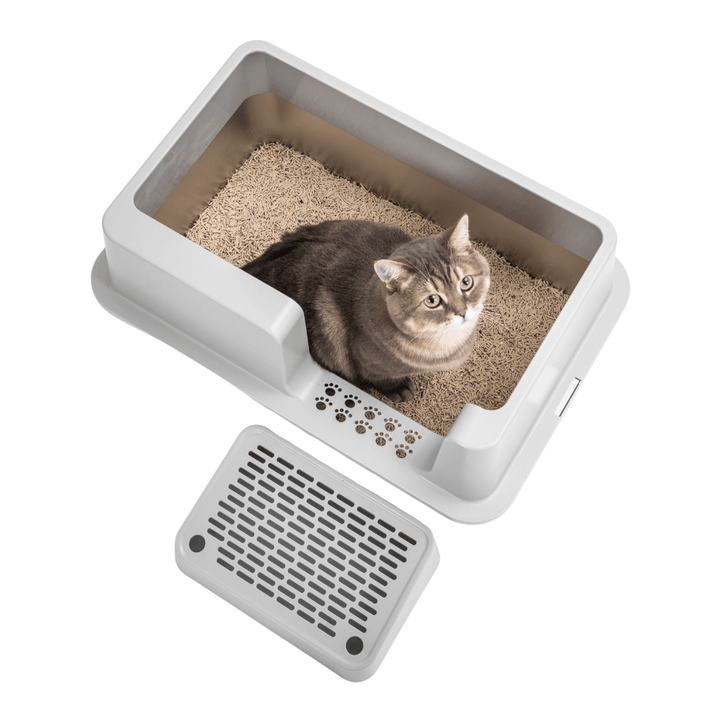
Creating the ideal litter box setup for a multi-cat home comes down to a few key principles. Always provide one more litter box than you have cats. Make sure each box is large, about 1.5 times your largest cat's body length, and consider open-top designs. Spread these boxes across different floors and in quiet spots with easy escape paths, never tucked away. Consistent daily cleaning is also crucial to keep things fresh and inviting for all your feline residents.
Following these guidelines for litter box count, size, placement, and cleanliness does more than just manage waste. It helps prevent behavioral issues like inappropriate elimination and inter-cat tension, particularly litter box guarding. A thoughtful setup ensures all your cats feel secure and have easy access to a clean toilet, contributing to a calmer, happier home for everyone, both human and feline.
Frequently Asked Questions
How many litter boxes for 3 cats?
For 3 cats, the standard veterinary guideline is to provide 4 litter boxes (number of cats N + 1 box). This N+1 rule is widely recommended in feline practice and behavior guidelines for multi-cat households.
Can cats share a litter box?
Cats can physically share a litter box, but the prevailing veterinary/behavioral guideline is not to rely on a shared box. The industry-standard rule is one litter box per cat, plus one extra (e.g., 2 cats = 3 boxes, 4 cats = 5 boxes), with each box sized at least 1.5× the length of the largest cat and filled with 2–3 inches of litter.
How to stop a cat guarding the litter box?
To stop a cat from guarding the litter box in a multi-cat home, provide at least one litter box per cat plus one extra. Place boxes on every floor and position them in separate, open locations with multiple escape routes and clear sightlines, avoiding corners, closets, and single-entrance spots. Use open (uncovered) boxes sized about 1.5× the cat’s body length and distribute them so that a guarding cat cannot control all access points.
What is the best litter box for multiple cats?
For multiple cats, use jumbo/XL rectangular litter boxes with 28–35 inch interior length (1.5× cat's body length, e.g., a 24-inch box for a 16-inch cat). Provide one box per cat + one extra (e.g., 4 boxes for 3 cats).
How to manage litter box odor with multiple cats?
To keep litter box odor under control with multiple cats, veterinary and shelter guidelines converge on one litter box per cat plus one extra. Each box should be scooped at least once–twice daily, with litter kept at 2–3 inches deep and boxes fully dumped and washed about weekly in a well-ventilated location. Using low-dust clumping litter and, in heavy-use multi-cat homes, sealed or self-cleaning boxes with carbon or enzymatic odor control further reduces ammonia and bacterial odor buildup.
Do I really need 4 litter boxes?
Yes—for 4 cats, the standard recommendation is 5 litter boxes (one per cat plus one extra). AAHA/AAFP feline practice guidelines specify “one litter box for each cat plus one additional box” as the clinical rule of thumb. This is echoed by major pet-care authorities and behaviorists.
Managing Pine Pellets for 3+ Cats: Capacity & Frequency Guide
Sifting vs. Traditional Scooping: Why You Should Ditch the [Poop Shovel]
Navigating in the Dark: Why Tactile Cues Matter for Blind Cats
Gunmetal vs. Silver: Choosing the Right Finish for Your Bathroom