


How to Stack Your Sifting Litter Box: The [3-Pan Rotation] Method
by Laura Jane on Mar 04, 2026
Sifting litter boxes offer a scoop-free cleaning method, but their effectiveness depends entirely on the correct setup. An improper stack can lead to leaks and messy cleanups, undermining the system's main benefit.
This guide provides the setup logic for a standard three-pan system, explaining how the sifting tray and two solid trays create a perfect rotation. We will show you how to stack the pans to achieve a leak-proof seal and why keeping litter depth at 2–3 inches ensures a clean that takes less than a minute.

Expected Outcome (Perfect Rotation)
A perfect rotation is the result of the manual sifting process where lifting and shaking separates waste clumps from clean litter. The clean litter falls into a solid tray below, and the trays are re-stacked with the empty sifter at the bottom, creating a clean, ready-to-use box in under a minute.
How Sifting Achieves Waste Separation
The system works through gravity and simple manual sifting. When you lift the top sifting tray, its perforations allow clean litter to fall directly into a solid tray positioned underneath. This action effectively isolates waste clumps, leaving them on the sifter's surface for easy disposal. The entire cleaning process is over in seconds and requires no scoops or liners. This mechanical separation is compatible with both clumping clay and pine pellet litters.
The Final Stack: A Leak-Proof, Ready-to-Use Box
Once the waste is removed, you restart the cycle by re-stacking the trays. The empty sifting tray moves to the bottom of the stack, and the solid tray now filled with clean litter is placed on top, making the box ready for your cat. These trays are constructed from solid, one-piece polypropylene plastic to ensure they are leak-proof. High-sided designs, with walls reaching up to 9.5 inches, also prevent litter scatter and help contain messes.
Before You Begin: The 3 Components
A sifting litter box system requires two or three specific trays—at least one with sieve openings and one solid—and a clumping litter. The sifting tray separates waste clumps from clean litter, which falls into the solid tray below for reuse.
| Component | Primary Function | Key Requirement |
|---|---|---|
| Sifting Tray | Separates waste clumps from clean litter. | Features openings (slots or holes) to allow clean litter to pass through. |
| Solid Tray | Catches sifted litter for reuse and prevents leaks. | Solid, non-perforated base to hold clean litter. |
| Clumping Litter | Forms solid clumps upon contact with liquid waste. | Clumps must be larger than the sifter's openings to be retained. |
The Core Trays: Sifting and Solid
A sifting system is built around a set of interlocking trays. It always includes at least one sifting tray with built-in openings and one solid base tray. The sifting tray’s openings, which can be vertical slots or 1/4-inch holes, are designed to let clean litter granules pass through while catching and retaining larger waste clumps.
These systems often come in two main configurations: a two-tray setup with identical nesting trays or a three-tray system with one sifter and two solid pans. In both designs, the solid wall of the bottom tray blocks the sifter's openings when nested, creating a leak-proof container for daily use, as detailed in patent US5517947A.
The Clumping Litter
For the sifting mechanism to work, you must use a "siftable" or hard-clumping cat litter. The litter needs to form solid, firm clumps that are larger than the sieve openings in the sifting tray. At the same time, the unused, clean litter granules must be small enough to fall through the openings easily, returning to the clean tray below.
Most standard clay-based clumping litters are compatible with these systems. Some designs also work with specific types of pellet litters, particularly those formulated to break down into sawdust when wet. This allows the fine sawdust to be sifted away from solid waste and fresh pellets.
The Step-by-Step Guide to Stacking and Rotating Sifting Systems
This process involves either manually stacking a sifting tray over a solid one and tilting it to separate waste, or using an automated system that rotates a drum to filter clumps. Success depends on correct assembly and using the right litter depth—typically 2–3 inches for clumping litter.
| System Type | Key Assembly/Setup Step | Required Litter Depth |
|---|---|---|
| Manual Stacking System | Stack the sifting tray on the solid tray, ensuring the bottom tray's solid wall blocks the top tray's sieve openings to prevent leakage. | 2–3 inches (clumping litter) or 1–2 inches (pine pellets). |
| Automated Rotational System | Confirm the base is level and hand-tighten all screws. Align the internal sifting filter with positional marks (e.g., 'C-to-C'). | 2–3 inches (clumping litter), adhering to the unit's maximum capacity (e.g., 20 L). |
Assembling the Manual Stack and Filling with Litter
To begin, place the perforated sifting tray directly on top of the solid base tray. Some designs use a sieve wall on one side of each tray. In these systems, orient the trays so the solid wall of the bottom tray is positioned against the sieve openings of the top tray. This blocks the holes and prevents clean litter from escaping during use. Once assembled, fill the top tray with the correct amount of litter. For clumping litter, maintain a depth of 2 to 3 inches to ensure solid clumps form. If you use pine pellets, a depth of 1 to 2 inches is sufficient, as the goal is to separate whole pellets from sawdust.
Executing the Sift: Manual Tilting and Automated Rotation
For manual sifting boxes, lift the entire top tray and tilt it toward the sieve wall. This action allows the clean, unused litter to pass through the openings and into the solid tray below, leaving only the clumps and waste behind. After sifting, you can shake the lower tray to level the clean litter before restacking the empty sifter on top.
Automated rotational systems require a few mechanical checks for proper operation. First, make sure the unit's base is on a level surface and its legs are fully seated to prevent any wobble during a cycle. Tighten all screws to be hand-tight. Before the first use, inspect the globe or drum to confirm the internal sifting filter is correctly aligned with any guide marks, such as a "C-to-C" alignment inside the sphere. This precise setup ensures the rotation effectively separates waste from the litter bed.
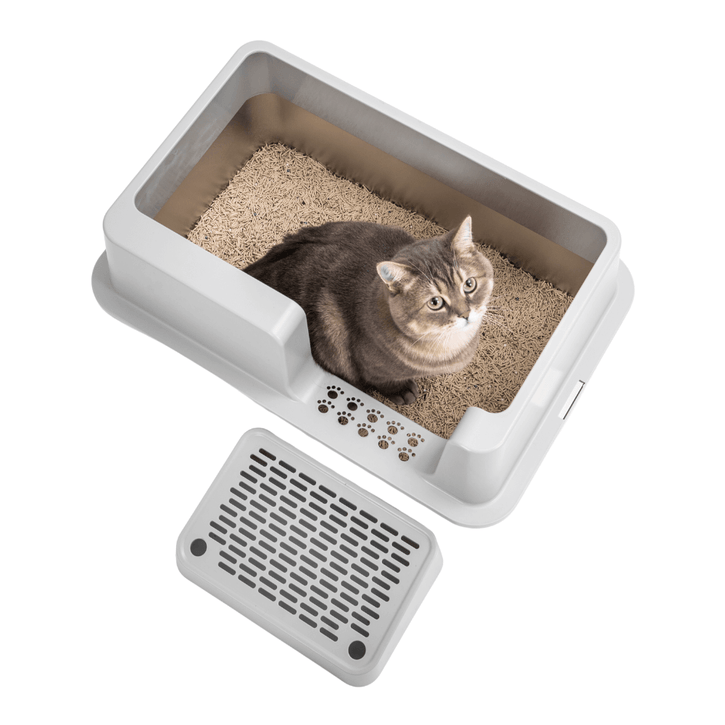
Upgrade to Stainless Steel: The End of Odor & Scrubbing.
Troubleshooting: Stuck Trays
Stuck trays are often caused by overfilled litter, dirty sensors, or mechanical binding. Fixes typically involve reducing litter to the 2–3 inch fill line, cleaning the sensors, or performing a system reset by holding the third button for 10 seconds until it beeps.
Identifying Common Causes of Jams
The most frequent reason for a stuck tray is an improper litter level. If the litter depth exceeds the recommended 2–3 inches, the extra weight and volume can cause the sifting rake or rotating drum to bind during a cycle. This puts excess strain on the motor and can trigger an error. Another common issue involves obstructed sensors. Litter dust or small debris can cover the side sensors or bonnet tabs, interrupting the cleaning cycle because the unit incorrectly detects an obstruction. You should also check for mechanical misalignment, as gear tracks or the sifter mechanism can become misaligned and prevent smooth movement.
System Resets and Manual Fixes
A system reset can often resolve electronic glitches causing a jam. To perform a reset, unplug the unit from the power source, wait a few moments, and plug it back in. Then, press and hold the third button from the left for about 10 seconds until you hear a beep. This action recalibrates the system and its components. If problems continue, check your device’s firmware. Some models require version 4.1.9 or newer to address known tray movement bugs.
If a reset does not work, you should perform a physical inspection. After unplugging the unit, check the gear tracks for any visible debris, damage, or misalignment. Also, examine the pressure switches, which are sometimes small metal or plastic buttons located near the unit's door frame or opening. Any obstruction here can halt operation. Removing debris or gently realigning parts can often restore normal function.
Final Thoughts
The 3-pan sifting system offers a simple, effective alternative to daily scooping. The method relies on a straightforward rotation of trays to separate waste, turning a tedious chore into a quick, one-minute task. It's a clever design that removes the need for scoops or liners, so you just lift, sift, and restack.
Getting the most out of this system just depends on using the right components. A hard-clumping litter that doesn't fall through the sifter holes is essential, and stacking the three pans in the correct order ensures the rotation works without a hitch. Once you get the hang of the simple stacking method, you get a consistently clean litter box with much less effort.
Frequently Asked Questions
Which pan goes on top?
The top tray is the one with the sieve-wall (the perforated side). You position it so this wall faces away from you, blocked by the solid back of the bottom tray. To sift, you lift the top tray and tilt it towards that sieve-wall.
Why are there three pans?
The three-pan system (one sifter, two solid pans) makes cleaning simple and scoop-free. One solid pan holds the clean litter for your cat, while the sifter and the second solid pan work together to separate clumps from clean litter during the cleaning rotation.
Does the sifter tray go on the bottom?
The sifter doesn't stay on the bottom when the box is in use. The correct setup is a solid pan on the bottom, the sifter in the middle, and another solid pan on top. After you sift, the empty sifter then goes to the bottom of the new stack.
How does the pan rotation work?
Lift the top tray which contains the waste and hold it over an empty solid pan. The clean litter will fall through the sifter. After you dispose of the clumps, place the now-empty sifter at the very bottom of the stack. The pan with the clean litter becomes the new top tray, ready for use.
Will a sifting litter box leak?
No, it shouldn't leak when used correctly. The sifting tray is designed to hold waste clumps and saturated litter while allowing only clean, dry litter to pass through into the pan below.
Can I just use two of the pans?
The lift-to-sift system needs all three pans to work as designed: one sifter and two solid pans. If you only use two, you lose the ability to do the quick rotation and will have to resort to manually scooping or dumping the contents.
The Best Litter Boxes for [Maine Coons] and Large Breeds in 2026
The "Vertical Stench": Why Wall Urine Smells Worse Than Litter Urine
The "Bathroom Queue": Why One Robot Can't Handle 4 Cats (But 2 Furrbbys Can)
Stopping the "Litter Box Bully": Why Open-Top Steel Works