


The Ultimate Pet Sitter Guide: How to Use the [Furrbby Sifting System]
by Laura Jane on Apr 11, 2026
Professional pet sitters know that unclear client instructions are more than an inconvenience—they are a liability. When every visit is on the clock, ambiguous notes on feeding, medication, or home security create risk and waste valuable time. This lack of a standardized system makes it difficult to train staff and guarantee consistent, high-quality care for every client.
This guide provides a complete framework for creating clear, professional instructions for any pet-sitting job. We will cover how to document everything from precise medication doses like a "25mg oral pill" to emergency protocols and home access details. We'll also show how integrating tools like the Furrbby Sifting System can reduce daily cleaning time by up to 75%, allowing your team to operate more efficiently and safely.

Expected Outcome (Happy Sitter)
A 'happy sitter' is a professional who operates with low uncertainty and controlled risk. This is achieved through formal contracts, pet-specific liability insurance, documented emergency plans, and proven competency in animal handling and first aid, all aligned with Pet Sitters International (PSI) Global Standards.
Qualifications and Formal Agreements
A professional sitter's qualifications are rooted in the Pet Sitters International (PSI) Global Standards framework. This requires proven competency in humane pet handling, behavior, and current pet first aid/CPR training. All services operate under legally compliant service agreements that define expectations and are supported by detailed pet profiles and written care instructions. Before the owner departs, the sitter secures veterinary emergency authorization and pet guardianship forms, ensuring they are empowered to make critical decisions. Professionals may also hold the CPPS – Certified Professional Pet Sitter® credential, which validates their knowledge and commitment to industry best practices.
Insurance, Safety, and Emergency Preparedness
Effective risk management is a core component of professional pet sitting. A qualified sitter maintains pet-sitting specific general liability insurance that includes care, custody, or control (CCC) coverage to protect the animals and client property. They also carry bonding or theft coverage for an additional layer of security. Operationally, sitters adhere to established biosecurity protocols for sanitation, handwashing, and disease prevention. A documented contingency plan is crucial, providing clear steps for handling scenarios like a pet injury, sitter illness, or inclement weather, which ensures continuous and safe care.
Before You Begin: Show the Sitter
Before you travel, conduct a thorough walkthrough with your pet sitter. Show them emergency contacts, home security features like locks and alarms, and pet-specific needs such as medication schedules. Pointing out potential hazards and verifying pet ID ensures the sitter is fully prepared for any situation.
Emergency Contacts and Home Security
Prepare a clear contact list with your mobile number, a local backup person, the primary veterinarian, and a 24-hour emergency clinic. The list must include full phone numbers and physical addresses for each entry. Physically showing the sitter this list ensures they know exactly where to find it and can act quickly in an emergency.
Demonstrate how to operate every door and window lock they will use. Walk the sitter through the alarm panel's arming and disarming sequence, including the entry code, while they are present. Proper demonstration satisfies the "reasonable care" clause found in many homeowner insurance policies, which require you to secure the premises correctly.
Identify and point out any high-risk zones in the home, such as stairs, balconies, or unfenced pools. Also, show them potential hazards like toxic plants, accessible electrical cords, or small objects a pet might swallow. This environmental risk mapping helps prevent accidents before they happen.
Pet-Specific Information and Tasks
Create a precise, written medication schedule that follows veterinary prescription standards. It should list the exact drug name, dose (e.g., mg per kg of body weight), administration route, and frequency (e.g., q12h or every 12 hours). Include any special instructions, like giving the medication with food, to prevent administration errors.
Show the sitter the physical ID tag on your pet’s collar and confirm the phone number is current. Also, verify you have the pet's microchip number readily available. This number is typically a 9–15 digit code formatted to ISO 11784/11785 standards, which is critical for recovery if the pet gets lost.
If you use indoor cameras for pet monitoring, you must explain where the devices are located and what specific alerts mean. Provide a documented procedure for how the sitter should respond to these alerts. Clear workflows for monitoring technology ensure the sitter knows what actions to take, such as checking a food bowl or initiating an emergency protocol.
Step-by-Step Guide for Sitters
A step-by-step guide for sitters is a detailed instruction set that covers a pet's daily routine, including quantified feeding and medication schedules. It also includes home access details like alarm codes and Wi-Fi, plus a clear emergency plan with vet contacts and medical records.
| Component | Key Instructions | Example Details |
|---|---|---|
| Pet Care & Routine | Quantified feeding schedule, precise medication administration, and documented behavioral notes. | Feed ¾ cup at 7 AM & 6 PM; give 25mg oral pill at 7 AM; fears loud noises and hides under the bed. |
| Home & Emergency | Home access codes, a tiered emergency contact list, and prepared medical documents. | Alarm: 5678; Vet: (555) 123-4567; Insurance card located in the kitchen drawer. |
Pet Care and Routine Instructions
A precise instruction set removes guesswork and helps maintain the pet's well-being. Start by creating a time-stamped daily routine covering feeding, walks, exercise, and bedtime. For feeding, specify measured food portions in cups or grams for each meal and leave a dedicated measuring scoop to ensure consistency. When listing medications, include the exact dose in mg or ml, the route of administration (e.g., oral, topical), and the specific times for each dose, such as 8 am and 8 pm. It is also useful to document key behavioral information, including the pet’s common fears, any known aggression triggers, and typical hiding spots so a sitter can quickly identify abnormal behavior.
Home Access and Emergency Protocols
Clear access and emergency information is critical for any pet sit. Provide written alarm codes with step-by-step instructions for arming and disarming the system, the location of any hidden keys, and the Wi-Fi password. Prepare a contact hierarchy for emergencies that includes the primary owner, a local backup contact, the primary veterinarian, and the nearest 24/7 emergency animal hospital. You should also leave out essential documents like the pet’s immunization history, microchip ID number, and pet insurance card. Assemble a simple pet first-aid kit containing wound-cleaning solution, gauze, a digital thermometer, and a printed copy of the pet's medical records for fast access during a crisis.
The Last Litter Box You'll Ever Buy
Troubleshooting for Non-Owners
Troubleshooting for a pet sitter involves using a pre-prepared information kit to classify and solve problems. This means distinguishing between pet health issues and household system failures. With access to medical records, a vet release form, emergency contacts, and home system instructions, a sitter can manage most situations without owner input.
| Problem Category | Examples of Issues | Required Tools & Information |
|---|---|---|
| Pet Health & Behavior | Unusual anxiety, aggression, lethargy, or physical symptoms like vomiting or limping. | Owner's notes on baseline behavior, medical history, veterinary release form, and emergency contacts. |
| Household Systems | HVAC failure, security alarm malfunction, Wi-Fi outage, or depleted supplies like food and medicine. | Home system guide with Wi-Fi passwords, alarm codes, thermostat instructions, and location of supplies. |
Differentiating Pet vs. Household Issues
A sitter's first step in solving any problem is to correctly classify it. Pet-specific issues relate directly to the animal's health or behavior. A sitter can identify these by comparing the pet's current actions to the owner's notes on typical behavior, known triggers for anxiety, or patterns of aggression. Any deviation from this established baseline, like sudden lethargy or refusal to eat, points to a potential pet issue.
On the other hand, household issues involve failures in the home's environment that can affect the pet's safety and well-being. These include problems with the HVAC system causing unsafe temperatures, a malfunctioning security alarm, a Wi-Fi outage that disables cameras or other smart devices, or running low on essential supplies. Recognizing these environmental failures helps the sitter resolve the root cause before it impacts the pet.
The Sitter's Troubleshooting Toolkit
An owner should prepare a complete toolkit to empower the sitter to act independently. This kit turns potential emergencies into manageable incidents. It contains four key components that address both pet and household problems.
The first is veterinary authorization. Many vets require a signed release form that authorizes treatment and confirms a credit card is on file before they will see a pet without the owner present. The second component is comprehensive medical and identification data, including a full medical history, a list of current medications, allergies, and the pet’s microchip ID number. This gives both the sitter and a vet immediate access to vital information.
Third, a well-stocked pet first-aid kit and a clear contact list are crucial. The kit should include items like gauze, self-adhering wrap, and a digital thermometer for basic triage. The contact list must provide a clear escalation path: the owner, the primary vet, and a 24-hour emergency animal hospital. Finally, the kit needs home system instructions. This is often a central guide, accessible offline, with the Wi-Fi password, alarm codes, and thermostat instructions to prevent or resolve common household failures.
Final Thoughts
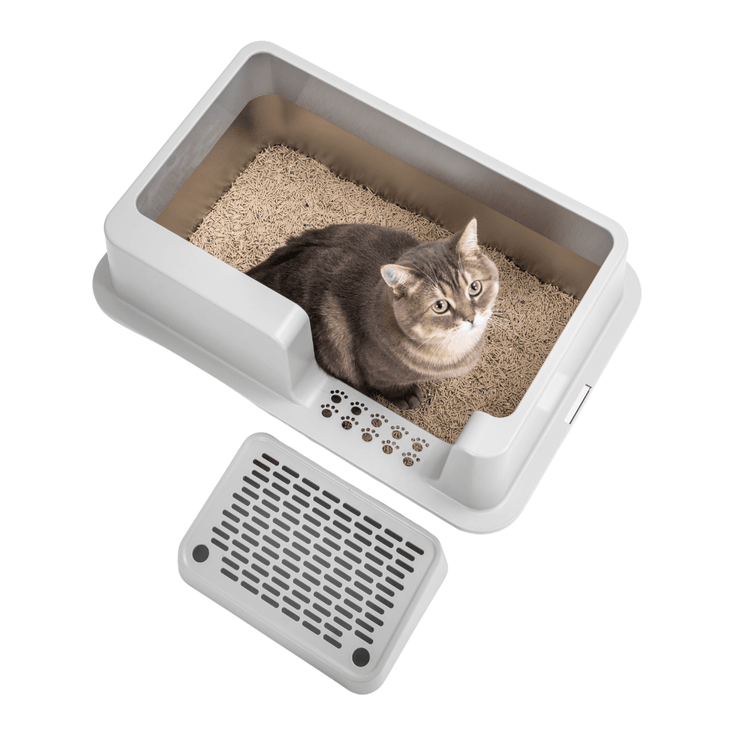
A successful pet sit depends on clear communication and practical tools. When you provide a sitter with detailed instructions, emergency contacts, and a walkthrough, you reduce their uncertainty. Integrating an efficient tool like the [Furrbby Sifting System] takes this a step further. It simplifies a daily task, ensuring the litter box is cleaned consistently and quickly. This complete preparation empowers the sitter to focus more on the pet's well-being instead of struggling with inefficient chores.
Ultimately, preparing for a pet sitter is about ensuring your pet’s routine continues safely and without stress. A sifting system isn't just about saving the sitter a few minutes. It's about maintaining a clean, healthy environment for your cat with a simple, repeatable process. By setting up your sitter with the right information and the right tools, you build a reliable care system that works even when you're not there. This gives you peace of mind, knowing your pet is in good hands.
Frequently Asked Questions
Is a sifting litter box hard for a sitter to learn?
No, a sifting box is simple to learn. Most designs use a basic lift-and-tilt motion that allows for effective cleaning in just a few seconds.
What if the pet sitter breaks the sifter?
No single industry rule exists for this. Pet sitter contracts typically require immediate reporting of any damage, and the cost is often covered by the sitter or the owner's insurance, depending on the agreement.
Do sifting boxes come with instructions for the sitter?
Yes, commercial sifting litter boxes include printed instructions. These explain the correct tray stacking order and the proper sifting procedure.
Do pet sitters prefer sifting boxes?
Yes, many pet sitters prefer them. Sifting can reduce daily cleaning time by 50-75%, making their visits more efficient.
How should I explain the litter box size to my sitter?
Explain that the box should be at least 1.5 times your cat's length with 3–4 inches of clumping litter. For example, a 16-inch cat needs a 24-inch long box. Remind them to prioritize a low entry for senior cats.
Is sifting actually faster for pet sitters?
Yes, sifting is significantly faster. It can cut the cleaning time by up to 75% by efficiently separating waste from clean litter during a visit.
Managing Pine Pellets for 3+ Cats: Capacity & Frequency Guide
Sifting vs. Traditional Scooping: Why You Should Ditch the [Poop Shovel]
Navigating in the Dark: Why Tactile Cues Matter for Blind Cats
Gunmetal vs. Silver: Choosing the Right Finish for Your Bathroom