


The "Ghost Smell": Why You Can't Clean Plastic (Vs Steel)
by Laura Jane on Feb 06, 2026
Many businesses grapple with lingering, unpleasant odors in their plastic equipment or products, a pervasive issue often dubbed the “ghost smell.” Even rigorous cleaning doesn’t always solve it, leading to diminished hygiene and product dissatisfaction.
This article explores the fundamental scientific reasons behind plastic’s odor retention, explaining how microscopic scratches and its porous nature turn it into a reservoir for odor molecules and bacteria. We’ll show why plastic often needs replacement every 12-24 months due to persistent smells, and how materials like steel offer a durable, non-absorbent alternative for lasting odor control.

Revolutionize Litter Time: Stainless Steel for Ultimate Cleanliness
Final Thoughts
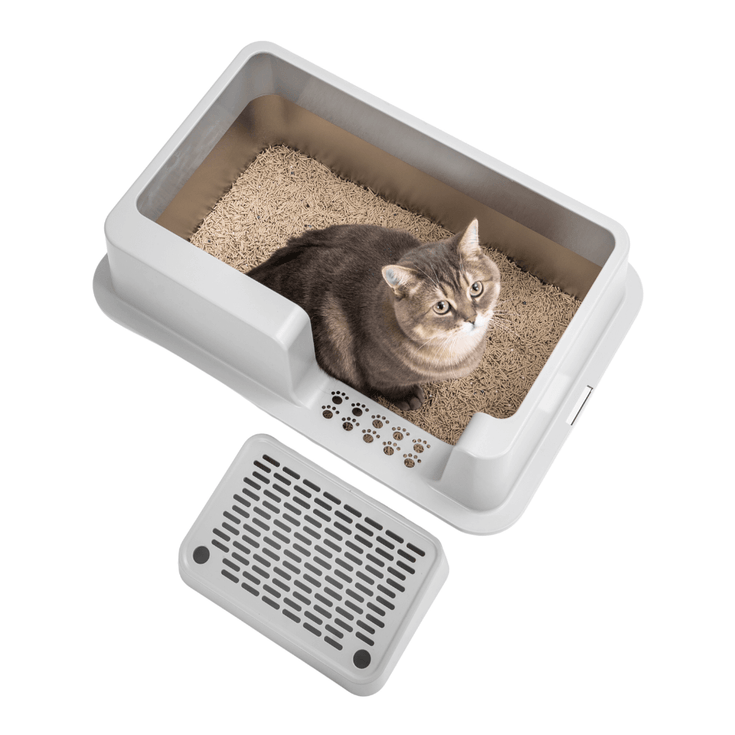
Plastic items, like litter boxes, often develop a stubborn "ghost smell" over time. This happens because microscopic scratches and the porous nature of plastic trap odor molecules and bacteria, which then slowly release smells even after cleaning. This makes the odor effectively permanent in the material itself. Steel, on the other hand, provides a non-porous surface that does not absorb odors, offering a lasting solution to this problem.
This core difference between materials means plastic products frequently need replacement to keep a space smelling fresh. Opting for products made from non-porous materials like stainless steel can break this cycle. It creates a cleaner and more hygienic environment that lasts much longer, entirely free from the lingering "ghost smell" associated with aged plastic.
Frequently Asked Questions
Why does a clean litter box still smell?
A “clean” litter box can still smell because urine odor molecules (especially ammonia and other VOCs) are absorbed into and then slowly released from the scratched, porous plastic walls of the box. Bacteria colonize these scratches, generating odor even after visible waste is removed. Microscopic scratches become reservoirs for urine residues and bacteria, making the box a persistent odor source. Plastic litter boxes typically need replacement about every 12 months because accumulated scratches and odor retention make smells effectively permanent even after cleaning.
How can I remove urine smell from plastic?
Industrial practice for removing urine smell from plastic involves fully wetting the plastic with bio-enzymatic or bacterial urine digesters at label strength. Keep the surface wet for 20-30 minutes for light odor, up to 8 hours for severe or old urine, then rinse and air-dry until the odor is gone. For severe smells, multiple cycles may be needed. If odor persists after 2-3 full treatments, replacing the plastic component is often advised.
Does steel absorb odor?
No, steel does not absorb odor. Steel, such as grade 316 stainless steel, is used in odor control systems primarily for its corrosion resistance and structural durability in environments with odorous gases like H2S, not for its adsorption or absorption properties.
What makes a litter box permanently smelly?
A “permanently” smelly litter box is typically a scratched plastic pan. Its surface becomes micro-etched enough to harbor bacteria and urine residues, causing odor to persist even after normal cleaning. Most manufacturers and hygiene guidance suggest a plastic litter box has an effective service life of about 1-2 years. After this period, odor retention and wear usually justify full replacement, often with stainless steel for superior odor resistance.
How does Furrbby control odor?
Furrbby controls odor in its stainless steel litter boxes through several features: non-porous surfaces prevent absorption (offering 100% reduction compared to plastic), activated carbon filters eliminate ammonia and fecal odors, and compatible pine pellets reduce smells by 95.6%.
Are enzyme cleaners safe for plastic?
Yes, 2% enzyme cleaners, such as Zymit Pro and Zymit Low-Foam, are compatible with common plastics like ABS, HDPE, PETG, Polypropylene, PVC, and Polyetherimide. Testing shows minimal changes, typically less than 1% mass change, less than 2% hardness change, and less than 1% swell, after 10-day immersion at room temperature.
The Best Litter Boxes for [Maine Coons] and Large Breeds in 2026
The "Vertical Stench": Why Wall Urine Smells Worse Than Litter Urine
The "Bathroom Queue": Why One Robot Can't Handle 4 Cats (But 2 Furrbbys Can)
Stopping the "Litter Box Bully": Why Open-Top Steel Works