


The Danger of Micro-Scratches: Why You Should Never Scrub a [Plastic Litter Box]
by Laura Jane on Apr 10, 2026
Even after a thorough scrubbing, a used plastic litter box is never truly clean. The daily digging from a cat’s claws creates a network of microscopic grooves in the plastic surface. These scratches trap odor-causing bacteria, urine crystals, and harmful parasites, making complete sanitization nearly impossible.
This article examines the science behind these micro-scratches. We will show how grooves deeper than 1 micrometer become permanent reservoirs for contaminants like Giardia cysts, which measure as small as 8 micrometers. We will also analyze why this damage makes plastic difficult to clean and explain how a non-porous surface is essential for maintaining a truly hygienic environment.

Benefit 1 (of Steel): Scratch Resistance
Steel's scratch resistance comes from its natural hardness and protective surface treatments like texturing. This durability is verified through standardized tests using steel wool and sclerometers, which apply significant pressure (over 345 kPa) to simulate wear and confirm its ability to withstand repeated impacts without chipping.
Inherent Hardness and Surface Treatments
The durability of steel starts with the inherent hardness found in stainless grades like 304 and 316, which naturally resist penetration from sharp edges and abrasives. Manufacturers can enhance this property by applying anti-scratch processes like texturing or embossing to flat sheets, increasing surface durability without changing the core metal. For even greater protection, advanced coatings are used. A 50-micron Hardide layer, for example, can deform with the steel substrate under impact. This flexibility prevents the chipping and flaking common in more brittle coatings.
How Durability Is Measured and Proven
Steel's scratch resistance is verified through standardized, quantifiable tests. Industry-standard assessments often involve a sclerometer, which uses a 1mm Tungsten Carbide tip to measure resistance to a controlled scratch. To simulate real-world wear from sources like cat claws, testers use a rotary steel wool pad that applies significant pressure—often greater than 345 kPa (50 psi). These rigorous methods provide clear metrics, such as a 6H pencil hardness rating, confirming the material's ability to withstand repeated impacts and surface damage.
Benefit 2: Safe Deep Cleaning
Safe deep cleaning involves emptying the litter box monthly and washing it with hot water and mild, unscented soap. This method prevents bacteria buildup, eliminating odors without leaving harmful chemical residues that can deter sensitive cats.
The Standard Cleaning Protocol
To properly clean a litter box, first empty all the used litter. Wash the box with hot water and a mild, unscented detergent to remove waste and residue. Cats have a very sensitive sense of smell, so you should avoid using strong chemicals or heavily scented soaps. These harsh cleaners can leave behind a scent that deters a cat from using its box.
For stubborn residue that soap and water cannot remove, you can use natural alternatives. A simple solution of vinegar or a paste of hydrogen peroxide can help break down organic material without leaving behind harmful chemicals. A non-porous surface like stainless steel makes this process much easier, as waste does not stick as stubbornly as it does to scratched plastic.
Deep Cleaning by the Numbers
The frequency of a full deep clean depends on your litter type. If you use clumping litter, a complete wash once per month is sufficient. For non-clumping types, which saturate more quickly, you should perform a full clean every 2 to 3 weeks. Regular deep cleaning prevents the accumulation of bacteria and ammonia odors that daily scooping can miss.
For periodic deep sanitization, you can use a diluted bleach solution. Prepare a mixture of one tablespoon of bleach per gallon of water and let the box soak for five minutes. After soaking, you must rinse the box thoroughly with fresh water and allow it to air dry completely. Once clean and dry, refill the box with 2 to 4 inches of fresh litter. This depth provides enough material for your cat to dig and bury waste comfortably, which is key to maintaining a clean environment.
Case Study: A Microscope View of a 6-Month Old Box
After six months, a plastic litter box develops microscopic scratches that trap urine crystals, fecal residue, and bacteria. These grooves, often over 1 micrometer deep, are large enough to harbor parasite eggs (like Toxocara cati, ~70 μm) and cysts (like Giardia, ~10 μm), making true sanitization nearly impossible.
A standard plastic litter box, typically made of polypropylene (PP), starts with a smooth surface. But with daily use, a cat’s claws create a network of microscopic scratches. This case study examines the hygienic implications of this wear after six months, showing how routine cleaning may not be enough to eliminate microscopic threats.
How Scratches Create a Micro-Habitat
Repeated clawing increases the surface roughness of plastic from a smooth state of approximately 0.1 micrometers (μm) to over 1 μm. This process creates deep micro-grooves that act as reservoirs for organic waste. Highly concentrated cat urine leaves behind urine crystals as urea converts to ammonia, and dried fecal matter becomes embedded in these tiny crevices. The trapped residue and moisture establish ideal "micro-niches" that support the formation of bacterial biofilms, which are notoriously difficult to remove with standard soaps and scrubbing.
Parasite Stages Found in Residue
Veterinary diagnostic techniques, like centrifugal flotation, can isolate and identify parasite stages from residue scraped from these scratches. The dimensions of common parasites show why these grooves are so problematic. Even when a litter box appears clean, the scratches can easily hide parasite eggs and cysts, which remain a potential source of reinfection for pets or transmission to humans.
| Parasite | Type | Approximate Size |
|---|---|---|
| Toxocara cati | Roundworm Egg | 65–75 micrometers (μm) |
| Giardia duodenalis | Protozoan Cyst | 8–12 μm long, 7–10 μm wide |
The data shows that a Toxocara cati egg, at around 70 μm, is many times larger than the 1 μm deep scratches but can still become lodged in the damaged surface. The much smaller Giardia cysts can fit comfortably inside these grooves. Once a plastic surface is compromised, its micro-topography becomes the main challenge to hygiene, as simple washing cannot guarantee the removal of these hidden contaminants.
The End of Stinky Litter Boxes & Endless Scooping
How to Maximize Hygiene
Maximizing hygiene requires a strict cleaning routine and an optimized setup. This means scooping waste daily, washing the box weekly or bi-weekly with mild detergent, and using boxes that are 1.5x your cat's length with 3-4 inches of litter.
Adopt a Consistent Cleaning Schedule
A regular cleaning routine is fundamental to preventing waste buildup and managing odors. Veterinary schools recommend scooping all waste at least once daily to maintain a sanitary environment. For standard maintenance, you should empty all the litter and wash the box with hot water or a mild detergent every two to three weeks. If you have multiple cats or need a stricter hygiene protocol, increase the washing frequency to at least once per week to keep the environment clean.
Optimize the Physical Litter Setup
Properly configuring the litter box setup can significantly reduce mess and improve cleanliness. Based on veterinary guidelines, you should select a box with a length at least 1.5 times your cat's body length, measured from nose to tail tip. Maintain a litter depth of 3 to 4 inches (about 75–100 mm) for clumping litter to encourage natural digging behavior and keep waste from sticking to the box floor. Finally, apply the 'N+1 Rule' by providing one more litter box than the number of cats in your household—for example, two cats should have three boxes available.
Final Thoughts
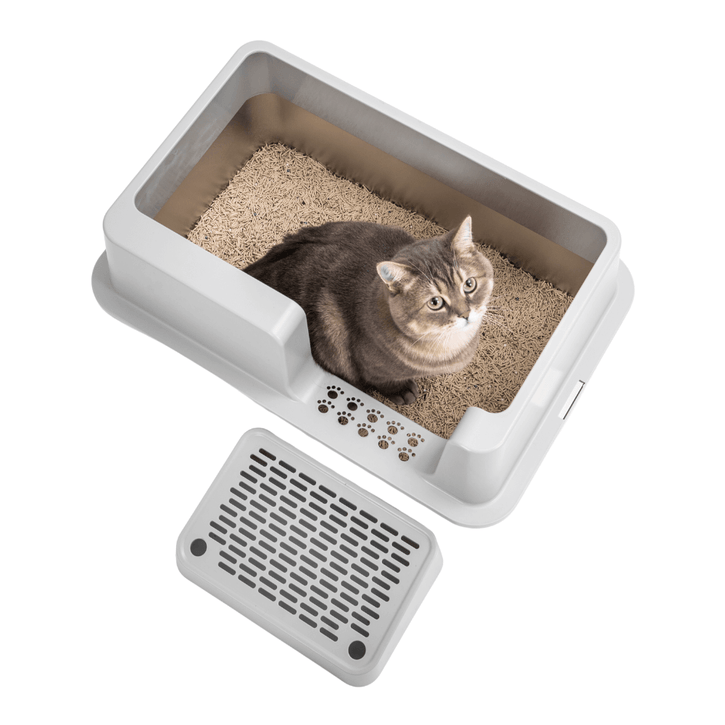
A plastic litter box is a disposable item for a reason. Daily use quickly turns its smooth surface into a rough landscape of micro-scratches. These tiny grooves become permanent reservoirs for odor-causing bacteria and parasites, which can't be removed with regular cleaning. Trying to scrub them out only makes the surface more damaged. A non-porous, scratch-resistant material like stainless steel avoids this problem entirely, providing a surface that can be properly sanitized for the long term.
Ultimately, maintaining a clean litter box is about more than just managing odors—it's about protecting your cat's health. A scratched plastic surface works against your cleaning efforts, providing a safe harbor for germs no matter how often you wash it. By switching to a material that resists damage, you ensure that your cleaning routine is actually effective. This simple change supports a healthier environment for your pet and makes one of the least pleasant cat-care tasks a little bit easier.
Frequently Asked Questions
Do cats scratch the bottom of the litter box?
Yes, cats scratch the bottom of the litter box as part of their natural instinct to bury waste. This behavior can be more pronounced if the litter depth is too shallow (less than 2-3 inches) or the box is too small.
Is stainless steel scratch-proof for cats?
No, stainless steel is not completely scratch-proof, but it is highly scratch-resistant. While it is far more durable than plastic, a cat's claws may still leave minor surface marks over time.
Can I use steel wool to clean a litter box?
No, you should never use steel wool or other abrasive scrubbers on any litter box, plastic or steel. Abrasives create deep scratches that trap bacteria and odors, making the box harder to sanitize and shortening its lifespan.
Why does a plastic litter box bottom get rough?
A plastic litter box bottom gets rough from cat claws digging into the surface. The process is accelerated by gritty litter particles, like clay, which act like sandpaper during digging.
How do I fix scratches in a plastic litter box?
Scratches in a plastic litter box cannot be repaired. Once the surface is grooved, it permanently traps odors and bacteria. For this reason, plastic boxes are typically replaced every 1-2 years.
Managing Pine Pellets for 3+ Cats: Capacity & Frequency Guide
Sifting vs. Traditional Scooping: Why You Should Ditch the [Poop Shovel]
Navigating in the Dark: Why Tactile Cues Matter for Blind Cats
Gunmetal vs. Silver: Choosing the Right Finish for Your Bathroom