


![Stop Buying Liners: Why Stainless Steel is the Ultimate [Non-Stick Solution]](http://www.furrbby.com/cdn/shop/articles/blog_37_9957eb42-b41c-4e2b-8990-202f6a2e3e82.png?v=1769672297&width=360)
Stop Buying Liners: Why Stainless Steel is the Ultimate [Non-Stick Solution]
by Taylor Claier on Jan 22, 2026
Litter box liners are a recurring operational expense designed to fix a permanent problem—the porous, scratch-prone surface of plastic. These disposable films add up, costing between $20 and $45 annually per box. They often fail when a cat’s claws tear through the thin polyethylene, creating the very leaks and messes they were meant to prevent.
This analysis compares the total cost of ownership between a plastic-and-liner system and a stainless steel solution. We will examine the material specifications, recurring expenses, and durability issues that make liners a poor investment. By evaluating factors like surface porosity and a five-year ROI, this article explains why stainless steel eliminates the need for liners and lowers long-term operational costs.

Introduction
Litter box liners are disposable plastic films placed inside a litter pan to create a barrier, preventing waste from sticking. This simplifies cleaning by letting you lift and toss the bag. They range from thin 0.06 mm films to durable 2.4 mm sheets with tear-resistant features.
The Core Function of a Litter Box Liner
A liner is a disposable film that acts as a barrier between the litter and the surface of the pan. Its main purpose is to prevent liquid and solid waste from adhering directly to the box, which reduces the need for scraping and deep scrubbing. When it's time to clean, you simply gather the edges of the liner, lift the entire bag with its contents, tie it shut, and dispose of it. This method streamlines the maintenance process significantly.
Liner Materials and Thickness Variations
Liners are typically made from polyethylene (PE) plastic. Some brands offer alternatives produced from 100% recycled plastic or formulated to be biodegradable. The most critical technical specification for performance is the material's thickness. This can vary widely, from light-duty 60 micron (0.06 mm) films to heavy-duty, tear-resistant options measuring from 1.01 mm up to 2.4 mm thick.
Durability is not governed by formal ASTM or ISO standards for puncture resistance. Instead, it relies on proprietary features created by the manufacturer. These can include a 3-ply laminated construction for added strength or special additives marketed with names like Scratch-Gard technology, both intended to prevent tears and leaks from a cat's claws.
Key Factors in Liner Costs
The cost of litter box liners is mainly influenced by material thickness, size, and specialized features like antibacterial treatments. Heavy-duty options designed to prevent tears cost more, with prices ranging from $13.99 for standard models to over $20 for larger, specialized designs.
Material Quality and Special Features
Material thickness is a primary cost driver. Many heavy-duty liners are specified at 60 microns to better resist tears and punctures during waste removal. A thicker, more durable plastic costs more to produce, which is reflected in the retail price.
Specialized features also add to the cost. For instance, liners with antibacterial treatments integrated into the plastic are more expensive to manufacture. The type of plastic itself is a factor, as a rigid corrugated plastic structure for containing litter will have a higher price point than a simple plastic bag.
Price Benchmarks by Liner Type
Replacement liners for certain large or premium litter boxes, such as those measuring 23 by 17 inches, can cost between $20.00 and $21.00. These are often designed for specific box shapes and are not simple bags.
In comparison, common liners for standard-sized litter boxes, like those fitting the Petmate Cleanstep model, are typically priced around $13.99. These liners are more widely available and produced in larger volumes.
Liners for automatic litter boxes are a recurring expense. They are custom-designed to fit into sealed waste drawers and accommodate the system's mechanical rakes or rotating drums, making them a specialized product tied to the unit.
Cost Tier: Annual Liner Spend
By 2026, households can expect to spend between $20 and $45 annually on litter box liners. This cost is supplementary to the main litter expense and depends on liner thickness, which ranges from 1/2 mil for standard use to 2.4 mil for heavy-duty options, and the quantity purchased in a pack.
Breakdown of Recurring Liner Costs
The annual cost for litter box liners typically lands between $20 and $45 when purchasing in bulk, such as a 60-count pack. This expense is an addition to the primary cost of litter, which can vary from $0.75 per pound for clumping clay to $3.75 per pound for crystal varieties. Because liners are designed for monthly disposal along with a full litter refresh, they represent a consistent operational cost for those using plastic litter boxes.
Liner Specifications and Material Impact
Standard liners are usually about 1/2 mil thick and sized for large pans, often around 37 by 18 inches. For cats that tend to scratch, heavy-duty options are available, with thicknesses reaching up to 2.4 mil to better resist tearing. These specialty liners might also include materials like oxo-biodegradable plastics. Features like drawstring closures are common and add to the convenience that drives liner purchases, even with the added cost.
Upgrade Your Cat's Litter Box for Good
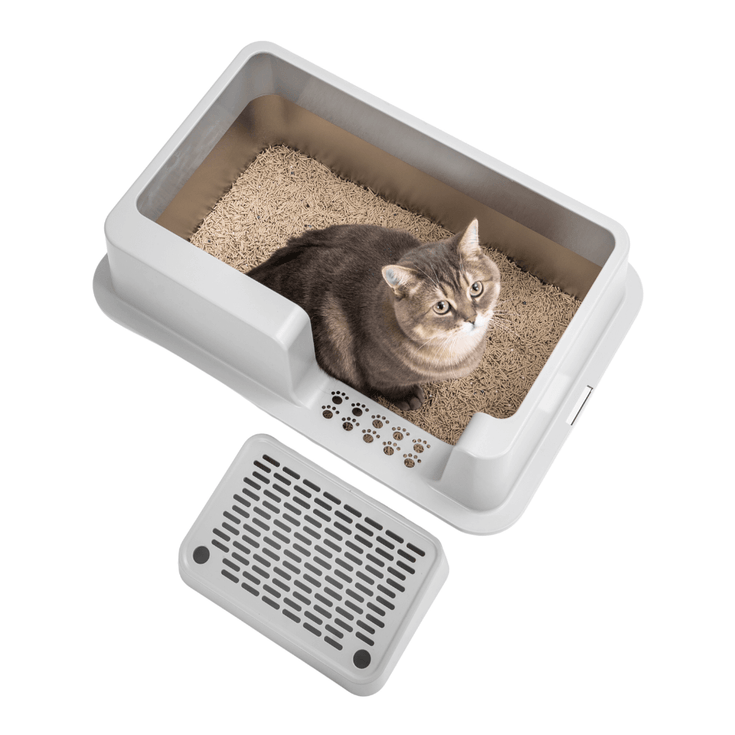
Why Steel Doesn't Need Liners
Stainless steel's inherent properties, such as a non-porous surface and high corrosion resistance from its chromium content (per ASTM A240/A240M), prevent odor absorption and waste from sticking. This durability eliminates the scratches and cracks that make liners necessary for plastic boxes, allowing for easy, direct cleaning.

| Feature | Stainless Steel | Plastic |
|---|---|---|
| Surface Property | Non-porous and smooth; prevents waste from sticking and odors from absorbing. | Porous and soft; absorbs odors and is easily scratched, trapping bacteria. |
| Durability | High resistance to corrosion (≥10.5% chromium), cracking, and warping. | Prone to staining, cracking, and degradation from waste and cleaning chemicals. |
| Liner Dependency | Designed for liner-free use; the box itself is the permanent barrier. | Often requires liners (~3 mil polyethylene) to protect the surface and manage odors. |
Corrosion Resistance and Surface Hardness
Stainless steel alloys, such as 304 and 316, are specifically engineered for durability. Industry standards like ASTM A240/A240M require these materials to have at least 10.5% chromium. This element creates a passive oxide film on the steel's surface that self-heals and protects the box from rust and corrosion caused by urine and moisture. Because the metal itself is the protective barrier, a disposable liner is not needed to maintain the box's structural integrity.
The hardness of steel also makes it highly resistant to scratches and cracks from a cat's claws or a metal scoop. Liners were created to solve this exact problem in plastic boxes, where scratches create tiny grooves that trap bacteria and absorb permanent odors. Steel's robust surface does not degrade in this way, eliminating the primary reason for using a liner.
Non-Porous Surface for Simplified Cleaning
A key advantage of stainless steel is its non-porous surface. Unlike plastic, which can absorb liquids and smells over time, steel does not allow urine or bacteria to penetrate its surface. Waste and clumping litters slide off the smooth finish easily, so cleaning often requires just a simple wipe or rinse. This property prevents the buildup of residue that causes lingering odors in other materials.
The easy-to-clean nature of steel stands in sharp contrast to plastic trays. Plastic systems frequently depend on 3 mil thick polyethylene liners to create a disposable shield between waste and the porous, scratch-prone surface. A stainless steel box is designed for direct contact with litter, making the use of liners functionally obsolete and unnecessary.
The Environmental Cost of Plastic Bags
Plastic bags, including cat litter liners, have a massive environmental footprint. They are derived from fossil fuels and used for minutes, yet they can persist in landfills for up to 1,000 years and contribute millions of tons of waste to oceans annually.
A Brief Use for a Long-Term Problem
The production of plastic is deeply tied to non-renewable resources. Approximately 99% of all plastics are derived from fossil fuels, and the industry accounts for about 6% of global oil consumption. This resource-intensive process creates products that are often designed for immediate disposal.
A single-use plastic bag demonstrates a stark contrast between its utility and its environmental persistence. The average bag is used for only 12 minutes before it is thrown away. Once it enters a landfill, that same bag can take up to 1,000 years to degrade, contributing to a long-term waste problem for a moment of convenience.
Resource Drain and Global Pollution
The scale of plastic pollution is immense. An estimated 4 to 12 million metric tons of plastic enter the oceans each year, with a large portion originating from land-based sources. This waste harms marine ecosystems and breaks down into microplastics that contaminate the food chain.
Life cycle assessments show that while polyethylene bags have a lower initial climate impact at the production stage, their single-use model generates enormous amounts of waste. Switching to alternatives isn't always straightforward. For example, a paper bag must be reused between 20 and 30 times to match the lower production impact of one single-use plastic bag, highlighting the importance of reducing consumption altogether.
ROI Calculation (No Liners)
While a stainless steel litter box costs more initially ($60–$120 vs. plastic's $15–$30), its 5–10 year lifespan eliminates frequent replacement costs. Over five years, a steel box can save approximately $200 by cutting expenses on replacements, odor control products, and cleaning labor.
| Cost Metric | Plastic (5-Year Estimate) | Stainless Steel (5-Year Estimate) |
|---|---|---|
| Hardware Costs (Initial + Replacements) | $150 | $90 |
| Odor Control Products | $60 | $20 |
| Cleaning Labor (Estimated) | $150 | $50 |
| Total 5-Year Cost | ~$360 | ~$160 |
Initial Investment vs. Product Lifespan
Plastic litter boxes are inexpensive, typically costing between $15 and $30. Their low price comes with a significant drawback. The porous material scratches easily, creating microscopic grooves that trap bacteria and ammonia residues. This leads to persistent odors and hygiene issues, often forcing replacement every 6 to 12 months.
A stainless steel litter box represents a larger upfront investment, with prices ranging from $60 to $120. This initial cost is offset by exceptional durability. The non-porous, scratch-resistant surface does not harbor bacteria or absorb odors, giving it a functional service life of 5 to 10 years. This longevity transforms the litter box from a disposable item into a long-term asset, eliminating the costly cycle of frequent repurchasing.
Five-Year Total Cost of Ownership
Analyzing the total cost over a five-year period reveals the financial benefit of stainless steel. A plastic box accumulates a total cost of around $360. This figure includes the initial purchase, four to five replacements, and higher spending on supplemental odor-control products and cleaning labor needed to manage its declining performance.
In contrast, the total five-year cost for a single stainless steel box is approximately $160. This results in a net saving of about $200 per box. The savings come from two main areas: reduced spending on odor-control additives (from $60 down to $20) and less cleaning labor (from $150 down to $50). By avoiding replacements and minimizing maintenance, a stainless steel box can lower long-term costs by up to 60% compared to its plastic counterpart.
Final Thoughts
Litter box liners exist to solve a problem that shouldn't exist in the first place: the flaws of a plastic pan. They act as a temporary shield against scratches and odors that plastic inevitably absorbs. A stainless steel box, by contrast, is engineered to be the permanent solution. Its naturally non-stick and durable surface eliminates the very reason liners were created, making them an unnecessary recurring expense.
Moving away from disposable liners and plastic boxes is more than just a change in supplies; it's an investment in a cleaner, more sustainable, and cost-effective system. While the initial cost of a steel box is higher, the long-term savings from eliminating liners and frequent replacements are significant. You get a solution that resists odors, simplifies cleaning, and reduces your environmental footprint—all while providing a more hygienic space for your cat.
Frequently Asked Questions
Do I need to use liners with a stainless steel box?
No, you do not need to use liners with a stainless steel litter box. Its smooth, non-porous surface is naturally hygienic and easy to clean without them.
Do litter box liners annoy cats?
Yes, veterinary authorities like the ASPCA report that most cats dislike litter box liners. The unnatural texture and crinkling sound can make them uncomfortable and contribute to litter box aversion.
Are litter box liners bad for the environment?
Yes, conventional litter box liners are single-use, non-biodegradable plastic bags. They contribute to the hundreds of millions of plastic bags found polluting U.S. roadways and waterways each year.
Why do cats shred litter box liners?
Cats shred liners because their claws easily puncture the thin plastic during normal digging. Many cats also dislike the texture and smell of the plastic, so they scratch at it more intensely, causing tears.
How much money do I save not using liners?
Not using liners can save you approximately $5-10 per month for each litter box. This comes from eliminating the recurring cost of buying liners for a durable stainless steel box that doesn't need them.
Is a stainless steel box easier to clean than a liner?
Yes, a stainless steel box is much easier to clean. Its non-porous surface only requires a simple wipe or rinse, but liners must be fully removed and disposed of, and the box underneath still needs periodic washing.
Managing Pine Pellets for 3+ Cats: Capacity & Frequency Guide
Sifting vs. Traditional Scooping: Why You Should Ditch the [Poop Shovel]
Navigating in the Dark: Why Tactile Cues Matter for Blind Cats
Gunmetal vs. Silver: Choosing the Right Finish for Your Bathroom