


Pet Product Materials: Stainless Steel vs. Ceramic vs. Plastic
by Taylor Claier on Oct 12, 2025
Selecting an appropriate pet bowl is critical for an animal's daily health and overall well-being. Various materials—stainless steel, ceramic, and plastic—each present distinct advantages and disadvantages concerning hygiene, durability, and safety.
Understanding these material properties can prevent common issues such as bacterial contamination or premature bowl deterioration. Informed choices help avoid health risks for pets and ensure a lasting, clean feeding solution.
This article examines the strengths and weaknesses of stainless steel, ceramic, and plastic pet bowls. It guides pet owners in selecting the safest, most durable, and easiest-to-maintain option for their companions.
What You Need to Know About Pet Bowl Materials
- Stainless steel is the top choice for pet bowls because of its hygiene, durability, and safety benefits.
- Choosing a ceramic bowl offers attractive design and hygiene advantages, but demands careful handling to avoid breakage.
Why Material Choice Matters for Pet Bowls
The material of a pet bowl critically impacts your pet’s health, safety, and overall well-being. Each option—stainless steel, ceramic, or plastic—possesses distinct properties influencing bacterial accumulation, odor retention, damage resistance, and long-term safety. For example, non-porous and non-reactive materials deter bacterial growth and do not alter food composition. This helps prevent gastrointestinal upset and systemic infections in pets.
Materials prone to corrosion or scratching, conversely, can become breeding grounds for harmful microbes. Such surfaces may also leach unwanted chemicals into food and water, posing significant health risks over time. Moreover, the physical integrity of a bowl directly affects its longevity and safety, as chipped or cracked materials can present sharp edges or degraded surfaces that compromise hygiene.
Beyond immediate hygiene, material choice also dictates maintenance effort and the bowl’s lifespan. Stainless steel bowls typically offer superior durability, requiring less frequent replacement and enduring vigorous cleaning without degradation. Ceramic bowls merge hygiene advantages with aesthetic appeal but necessitate careful handling to avoid chipping and breakage. Plastic bowls, despite their affordability and light weight, demand diligent maintenance and more frequent replacement due to their susceptibility to scratches and potential chemical leaching. Recognizing these fundamental material characteristics empowers pet owners to make informed selections, ensuring both their pet's safety and practical ease of care.
Hygiene and Safety: Protecting Your Pet
Bacterial risks within pet bowls differ significantly based on the material. Plastic bowls, particularly, accumulate microscopic scratches over time that act as ideal breeding grounds for harmful bacteria like E. coli and Salmonella, substantially increasing infection risks for pets. Conversely, stainless steel and properly glazed ceramic bowls present smooth, non-porous surfaces that actively resist bacterial colonization, ensuring a much safer daily feeding environment. Stainless steel’s robust resistance to corrosion and its non-reactive properties mean it will not leach harmful substances or react with acidic or alkaline pet foods, thereby preserving the bowl’s hygienic integrity and your pet’s health. Material science studies confirm stainless steel’s superior resistance to corrosion and its inert nature, making it exceptionally safe for food contact.
Chemical safety is another paramount concern, especially with plastic bowls. These often contain compounds like BPA (Bisphenol A) and phthalates, which can leach into food or water over time, particularly when exposed to heat, UV light, or physical wear. Exposure to these chemicals has been linked to various health issues in animals, including hormonal disruptions and immune system effects. Choosing only food-grade, BPA-free plastics and replacing plastic bowls every few months is crucial to mitigate these potential risks.
Veterinarians consistently advocate for stainless steel bowls due to their inherent durability, non-porous surface, and ease of thorough cleaning. These characteristics effectively prevent bacterial infections, a common concern in veterinary practice. A veterinarian’s perspective underscores that the non-reactive nature and scratch resistance of stainless steel make it the most effective material for inhibiting pathogen growth. Prioritizing stainless steel bowls is a foundational step towards optimal pet bowl hygiene, directly safeguarding your pet’s overall health and well-being.
Comparing Stainless Steel, Ceramic, and Plastic Pet Bowls
Selecting pet bowls necessitates a thorough understanding of the differences in durability, maintenance requirements, safety profiles, and overall user experience across stainless steel, ceramic, and plastic options. Each material caters to distinct pet owner priorities and environmental conditions. Evaluating these factors ensures a choice that aligns with both pet health and owner convenience.
Stainless steel bowls excel in durability, resisting corrosion and scratches, making them ideal for owners prioritizing longevity and hygiene. Their non-reactive surface maintains food integrity, preventing any chemical alteration from acidic or alkaline meals. This material is exceptionally easy to clean and sterilize, making it a perfect fit for busy households or those with rigorous hygiene standards. They are particularly recommended for multi-pet homes or situations where bowls are frequently used and washed, such as daycare facilities.
Ceramic bowls provide an attractive, non-porous surface that effectively resists odors and bacterial growth. However, their inherent fragility makes them susceptible to chipping or breaking if dropped. These bowls are best suited for pet owners who value aesthetics and commit to careful handling, especially in quieter indoor environments. They are less suitable for outdoor use or homes with boisterous pets where impact is a risk. Conversely, plastic bowls offer a lightweight and economical solution, but require meticulous maintenance. Their surfaces can scratch easily, creating microscopic havens for bacteria, and certain plastics may leach harmful chemicals like BPA over time. While appealing to budget-conscious owners or for travel, strict selection of BPA-free options and frequent replacement are non-negotiable for pet safety. Matching the bowl material to your pet’s habits, household dynamics, and your cleaning routine is fundamental to ensuring optimal safety, hygiene, and practicality.
Stainless Steel Bowls: Durable and Hygienic
Stainless steel pet bowls are widely recognized for their exceptional corrosion resistance and high scratch resistance, positioning them as an ideal and durable choice for daily use. This material does not rust or degrade when exposed to moisture, acidic foods, or alkaline substances, a critical feature for maintaining its integrity and safety over time. The inherent stability ensures the bowl remains intact and hygienic, preventing the leaching of harmful compounds or the development of rough surfaces that could harbor bacteria.
The smooth, non-porous surface of stainless steel further simplifies cleaning, enabling pet owners to effortlessly maintain high hygiene standards. This inherent ease of cleaning is a major advantage, ensuring bowls are thoroughly sanitized with minimal effort. Furthermore, stainless steel's robust durability results in a significantly longer lifespan compared to ceramic or plastic alternatives, offering superior long-term value and reliability. For those prioritizing the most hygienic pet products, stainless steel is consistently the top recommendationstainless steel durability and safety.
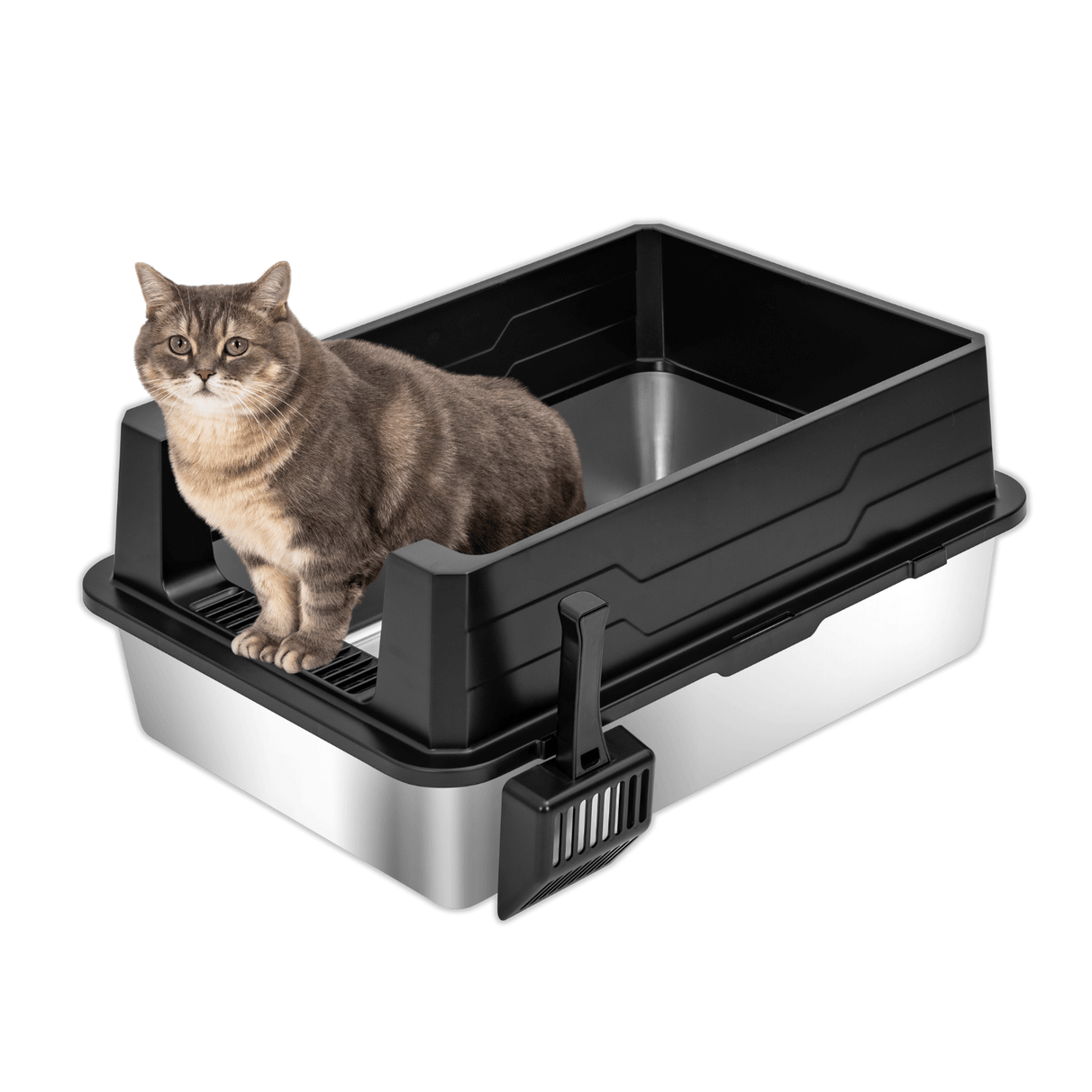
Spacious Stainless Steel Litter Box Built for Big Cats
Designed for Maine Coons and multi-cat homes, this durable, easy-clean litter box keeps your space tidy with high walls and a non-stick surface. Enjoy less tracking, free shipping on orders over $50, and a 12-month warranty.
Ceramic Bowls: Aesthetic and Safe with Care
Ceramic pet bowls are widely appreciated for their smooth, non-porous surfaces, which effectively resist odor absorption and bacterial accumulation, making them a hygienic feeding solution. This non-porous quality ensures that bowls do not retain lingering flavors or smells from previous meals, providing a fresh and appealing experience for pets with each use. Beyond hygiene, ceramic bowls frequently feature diverse, attractive designs and vibrant colors, appealing to pet owners who prioritize a visually harmonious feeding station that complements their home decor.
Despite their aesthetic and hygienic advantages, ceramic materials are inherently fragile compared to stainless steel or plastic. They are significantly prone to chipping, cracking, or outright breaking if dropped or inadvertently knocked over. Such damage can produce dangerously sharp edges, posing a direct threat of injury to pets. Veterinary hygiene research confirms that while non-porous surfaces like ceramic resist bacteria, their fragility remains a significant drawback. To enhance safety and extend longevity, positioning ceramic bowls on stable, non-slip surfaces is crucial. Gentle handling during both placement and cleaning is also imperative to preserve their finish and structural integrity. Hand washing with mild detergents and preventing abrupt temperature shifts further helps in maintaining the bowl's pristine condition and preventing thermal shock damage. For more details on the benefits and limitations of ceramic bowls, see our guide on ceramic pet bowl properties.
Plastic Bowls: Affordable but High Maintenance
Plastic pet bowls attract many owners due to their lightweight nature, affordability, and portability, making them convenient for travel or budget-conscious purchases. However, the material's inherent susceptibility to scratches and abrasions creates significant hygiene challenges. These microscopic crevices readily harbor harmful bacteria and pathogens, including E. coli and Staphylococcus, which can dramatically increase the risk of infections if not cleaned meticulously. Over time, these damaged surfaces become persistent breeding grounds for germs, posing a continuous health threat to your pet.
A more serious concern with plastic bowls involves the potential for chemical leaching. Many plastics, particularly older or lower-quality varieties, contain Bisphenol A (BPA) or phthalates. These endocrine-disrupting chemicals can migrate from the bowl into your pet's food or water, especially when exposed to heat, detergents, or prolonged use. Toxicology reports and veterinary guidelines consistently highlight the risks of such chemical exposure, linking it to various health issues in pets, including reproductive problems, immune dysfunction, and even certain cancers. To minimize these risks, it is imperative to select only BPA-free, food-grade plastic bowls. Even then, frequent replacement, ideally every six months or at the first sign of wear, is crucial to prevent prolonged exposure to degraded surfaces and potential chemical release. This diligent approach is essential for maintaining your pet’s long-term health and safety when using plastic. For more detailed safety considerations, see our discussion on are plastic pet bowls safe.
Cleaning and Maintenance Tips for Lasting Pet Bowls
Proper cleaning and maintenance of pet bowls are essential to ensure your pet’s health and extend the lifespan of the bowl, regardless of material. For stainless steel bowls, daily washing with warm soapy water or in a dishwasher is highly effective due to their non-porous and corrosion-resistant surface. Ceramic bowls also benefit from daily cleaning to prevent bacteria buildup, but extra caution is needed to avoid chips or cracks that can harbor germs and weaken the bowl's integrity. Plastic bowls require the most frequent replacement as scratches easily accumulate bacteria, so regular scrubbing with a soft brush and choosing BPA-free options are key to reducing health risks.
Maintain optimal hygiene by avoiding harsh abrasives, which can damage bowl surfaces and create micro-scratches where bacteria flourish, particularly on plastic bowls. Employ mild detergents and rinse bowls thoroughly after each wash to prevent residue buildup. Occasional deep cleaning with diluted vinegar or baking soda solutions effectively eliminates stubborn odors and mineral deposits, ensuring a fresh environment.
Daily and Deep Cleaning Routines
Effective pet bowl maintenance mandates consistent, material-specific cleaning routines to guarantee hygiene and extend product longevity. Stainless steel bowls and ceramic bowls, if dishwasher-safe, benefit significantly from daily washing with hot, soapy water or a run through the dishwasher. This regimen efficiently eliminates food residue, saliva, and bacterial films. Conversely, plastic bowls, which are highly susceptible to scratching, require heightened vigilance and more frequent replacement—ideally every few months—to counteract the accumulation of bacteria within their micro-grooves and abrasions, where pathogens readily thrive.
For more intensive deep cleaning, an occasional application of a diluted vinegar and water solution or a mild, pet-safe bleach solution can effectively disinfect bowls without causing damage. When cleaning stainless steel, it is essential to avoid harsh abrasive scrubbers to preserve its protective surface and prevent micro-scratches. Plastic bowls, while requiring gentle handling to prevent new damage, must be promptly discarded and replaced upon showing any visible signs of wear, such as cloudiness, deep scratches, or discoloration.
A pet owner, Sarah, recounted her experience: "Switching from plastic to stainless steel bowls drastically improved our routine. The smooth surface of stainless steel truly resists odors and stains, unlike the plastic ones that always felt greasy and looked cloudy. It made daily washing so much quicker and more effective, giving me peace of mind about our dog's hygiene." Implementing these tailored cleaning practices not only safeguards your pet’s health but also contributes to a consistently fresher and more inviting feeding environment.
Conclusion
The material chosen for a pet bowl profoundly influences hygiene, durability, and safety. Stainless steel stands as the superior option, providing comprehensive protection and extended longevity. Ceramic bowls offer an attractive aesthetic and good hygiene, but demand careful handling to prevent breakage.
Plastic bowls, while affordable, necessitate frequent replacement and discerning selection to mitigate health risks associated with bacterial buildup and chemical leaching. Evaluating your pet's current bowl and considering an upgrade ensures a consistently safer and cleaner feeding experience for them.
Frequently Asked Questions
Why vets recommend stainless steel bowls?
Veterinarians often recommend stainless steel pet bowls because they offer superior hygiene benefits compared to other materials. Stainless steel is non-porous and non-reactive, which prevents bacterial buildup and reduces the risk of contamination from food residues or moisture. Its smooth surface does not harbor harmful microorganisms, making it easier to sanitize thoroughly and maintain a clean feeding environment for pets.
Additionally, stainless steel bowls are exceptionally durable, resisting scratches, corrosion, and damage that can occur over time with use. Scratches in other materials, like plastic, can trap bacteria and chemicals, whereas stainless steel maintains its integrity even under frequent cleaning and exposure to acidic or alkaline foods. This durability and hygienic advantage support overall pet health by minimizing infection risks and promoting safe, long-lasting feeding solutions.
Can cats be allergic to plastic bowls?
Yes, some cats can develop allergic reactions or sensitivities to plastic pet bowls. This often stems from bacteria accumulating in the tiny scratches and grooves that form on the plastic surface over time, creating an unhygienic environment that can cause skin irritations or oral discomfort for sensitive cats.
Additionally, low-quality plastic bowls may contain harmful chemicals such as BPA or phthalates, which can leach into food or water and potentially trigger allergic responses or other health issues. To minimize risks, pet owners should opt for BPA-free, food-grade plastic bowls and replace them regularly to avoid bacterial buildup and chemical exposure.
What is the easiest material to clean?
Stainless steel is widely considered the easiest material to clean when it comes to pet bowls. Its smooth, non-porous surface prevents bacteria and odors from penetrating, making thorough cleaning more effective and quicker compared to other materials. Additionally, stainless steel is highly resistant to scratches and corrosion, which means it maintains its hygienic properties over time without harboring harmful microorganisms in damaged areas.
Another advantage is that stainless steel bowls can be safely washed using a broad range of cleaning agents—including dish soap, vinegar, or specialized pet-safe cleaners—without damaging the material. This durability and chemical resistance ensure that pet owners can maintain exceptional levels of cleanliness with minimal effort, ultimately contributing to a healthier feeding environment for their pets.
Comparing Veterinary Methods: Best Practices for Cat Health
Comfort-First Pet Homes: Cozy Living Spaces for Happy Cats
Clumping vs. Non-Clumping Litter: Which Is Best for Your Cat?
Best Odor Control Methods for Pet Areas: Proven Techniques & Tips