


New Box, New Spot? How to Move the Litter Box Without Accidents
by Laura Jane on Mar 21, 2026
Relocating your cat's litter box might seem like a simple change, but it often triggers unexpected accidents that can disrupt your home and stress your pet. Many owners underestimate the strategic planning required to ensure a smooth transition, leading to issues like your cat refusing the new spot or continuing to use the old one.
This guide provides a structured approach to moving your cat's litter box successfully, minimizing stress and preventing accidents. We'll explore strategies like gradually shifting the box just a few inches daily, discuss the importance of having at least one box per cat plus an extra, and offer practical solutions for managing accidents and odor with enzymatic cleaners.

Stainless Steel Litter Boxes: The Ultimate Clean.
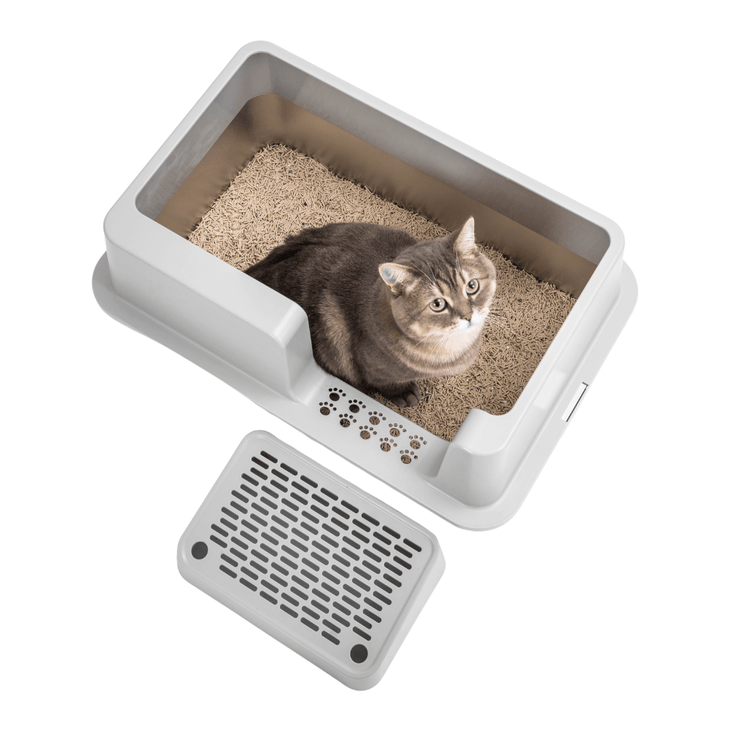
Final Thoughts
Moving your cat's litter box successfully relies on a gradual approach. Shift the box a few inches each day toward its new spot, or place a second box in the new area temporarily. This gentle transition helps your cat adapt without stress. If you live in a multi-story home, having at least one litter box on each floor is a good practice.
A well-placed litter box, away from busy areas and food, supports your cat's comfort and prevents accidents. Should a cat urinate where the box used to be, treat this as a location preference. Clean the old spot completely with an enzymatic cleaner. Make sure the new location is quiet and easily accessible. Thoughtful changes like these keep both your cat happy and your home clean.
Frequently Asked Questions
How to move litter box location?
Move the litter box gradually over a few days by shifting it a few inches at a time toward the new location (e.g., from basement to bathroom), using intermediate safe spots like corners or stairs, closing off the old area, and optionally using a second box at the new spot to prevent accidents.
Cat peeing where box used to be?
When a cat urinates where the litter box used to be, clinical behavior guidelines treat this as a location preference problem: you must either return a box to that original spot or make the new box location at least as attractive (quiet, low-traffic, easily accessible) while completely removing odor from the old site with an enzymatic cleaner.
Moving litter box upstairs?
You can move a litter box upstairs, but industry guidance is to do it gradually over several days (moving the box only a few inches per day) and/or to use two boxes temporarily, with at least one litter box per floor in multi‑story homes. This reduces stress and accidents, especially for kittens, seniors, or cats with mobility issues.
Best place for litter box?
The best place for a litter box is a quiet, low-traffic area such as a bathroom corner, laundry room, basement, or mudroom, accessible 24/7, away from food/water bowls, sleeping spots, noisy appliances, drafts, and high-traffic zones; industry guidelines recommend one box per cat plus one extra, with each at least 1.5 times the cat's nose-to-tail length (e.g., 13–15 inches width minimum for turning, 28–35 inches length for jumbo/XL).
Transition tips?
Move the litter box gradually over a few days by shifting it a few inches daily toward the new location (e.g., from basement to bathroom), using intermediate safe spots like stairs or corners; close off the old area once transitioned, or use a second box at the new spot for smoother adjustment.
Cleaning accidents?
For household “cleaning accidents” when a cat misses the litter box, hard data-based guidance from health and safety agencies converges on immediate cleanup, using detergent plus an EPA‑registered disinfectant on hard surfaces, and full removal and enzymatic treatment or replacement of porous materials to eliminate microbial and odor residues.
Managing Pine Pellets for 3+ Cats: Capacity & Frequency Guide
Sifting vs. Traditional Scooping: Why You Should Ditch the [Poop Shovel]
Navigating in the Dark: Why Tactile Cues Matter for Blind Cats
Gunmetal vs. Silver: Choosing the Right Finish for Your Bathroom