


How to Get Your Cat to Drink More Water: 12 Vet-Approved Tips
by Taylor Claier on Nov 02, 2025
Your cat's reluctance to drink water could be quietly putting their health at risk. Many cat owners don't realize that chronic low water intake is a primary contributor to urinary tract issues and kidney problems that affect millions of cats annually.
Cats have a naturally low thirst drive, a trait inherited from desert-dwelling ancestors who obtained most moisture from prey. This evolutionary adaptation becomes problematic when cats eat primarily dry food in domestic settings. The good news is that with strategic adjustments to water presentation and environment, you can significantly boost your cat's hydration.
This guide walks you through 12 veterinarian-approved methods that address both the physical and behavioral aspects of feline hydration, from simple bowl adjustments to advanced hydration strategies.
Quick Wins for Better Hydration
- Water bowl placement matters more than you think - keep it away from food and litter areas
- Moving water from fountains can increase drinking by up to 50% compared to stagnant bowls
- Simple changes like ice cubes or filtered water can make water more appealing to finicky cats

Understanding Your Cat's Water Preferences
Cats' seemingly finicky drinking habits are not mere quirks but deeply ingrained survival instincts rooted in their evolutionary past. Descended from desert-dwelling ancestors like the African wildcat, domestic cats inherited a naturally low thirst drive, as their forebears obtained most of their moisture from the bodily fluids of prey. This evolutionary adaptation means that even today, cats may not feel a strong urge to seek out standing water, leading to potentially inadequate hydration when fed a dry food diet.
This ancestral programming also explains why cats are often selective about their water sources. In the wild, stagnant water could harbor bacteria or toxins, so cats evolved a preference for fresh, moving water, which is typically safer. Consequently, domestic cats may avoid bowls that are placed near food (simulating contamination from a kill site) or that contain water perceived as stale, demonstrating how their wild instincts directly influence modern hydration challenges.
The Evolutionary Roots of Feline Hydration
Cats are descendants of desert-dwelling felines who evolved with a remarkably low thirst drive as a survival mechanism in arid environments. In the wild, these ancestors obtained the majority of their necessary hydration from the moisture-rich bodily fluids of the prey they consumed, such as small mammals and birds. This evolutionary adaptation meant that actively seeking out standing water sources was not a primary survival instinct.
Domestic cats have inherited this deeply ingrained preference for obtaining moisture from food, but modern pet diets often consist of dry kibble, which contains only about 10% water. This fundamental mismatch between their evolutionary instincts and their actual diet can lead to chronic low water intake, a key factor in the development of urinary tract issues. Understanding this evolutionary background is crucial for addressing feline urinary health proactively.
Common Reasons Cats Avoid Water Bowls
One primary reason cats shun their water bowls is whisker fatigue, a condition where the constant stimulation of their sensitive whiskers against the narrow sides of a deep or small bowl causes significant stress and discomfort. This can make drinking an unpleasant experience, leading cats to avoid the bowl altogether. Additionally, cats have a keen sensitivity to water temperature and freshness, as their instincts drive them to prefer cool, flowing water that mimics the fresh streams their ancestors would have sought out, making stale or warm water in a bowl highly unappealing.
Cats also possess a natural aversion to having their water source placed near their food, an instinct rooted in the wild where water close to a prey carcass could be contaminated. A clear example of this in action is the case of a household cat who persistently ignored its water bowl situated right next to its food dish. After the owner simply moved the water bowl to a quiet corner several feet away, the cat began drinking frequently and visibly, demonstrating an immediate positive response to this strategic environmental change.
Water Station Setup Fundamentals
The foundation of encouraging your cat to drink more water lies in the strategic setup of their water stations, where minor adjustments in bowl selection and placement can yield surprisingly major results. Often overlooked, the choice of bowl material and its location directly influences your cat's comfort and willingness to hydrate, addressing core feline instincts for freshness and safety. By optimizing these elements, you create an environment where drinking becomes a natural and appealing behavior rather than a chore.
For example, selecting a bowl made from non-porous materials like stainless steel or ceramic prevents bacterial retention and avoids the plastic odors that can deter finicky drinkers. Strategically placing multiple water stations in quiet, low-traffic areas away from food bowls and litter boxes mimics a cat's natural preference for uncontaminated sources, reducing stress and encouraging frequent visits. These thoughtful adjustments work synergistically to transform simple hydration into a habit your cat actively seeks out.
Choosing the Right Bowl Materials
The material of your cat's water bowl significantly influences their willingness to drink, as certain surfaces can affect water taste and hygiene. Stainless steel bowls are highly recommended for their non-porous, scratch-resistant nature, which prevents bacterial buildup and makes them easy to sterilize—a key factor in maintaining fresh water. Ceramic options offer a heavy, stable base that prevents tipping and can keep water cooler, which may be more enticing for cats sensitive to temperature.
Glass bowls provide a completely neutral taste profile, ensuring the water's flavor isn't altered, and they are simple to clean thoroughly without retaining residues. In contrast, plastic bowls should be avoided because they are prone to developing micro-scratches that harbor harmful bacteria, and they can impart an unpleasant taste that deters hydration, according to veterinary hygiene studies.
Upgrade Your Cat's Clean Routine
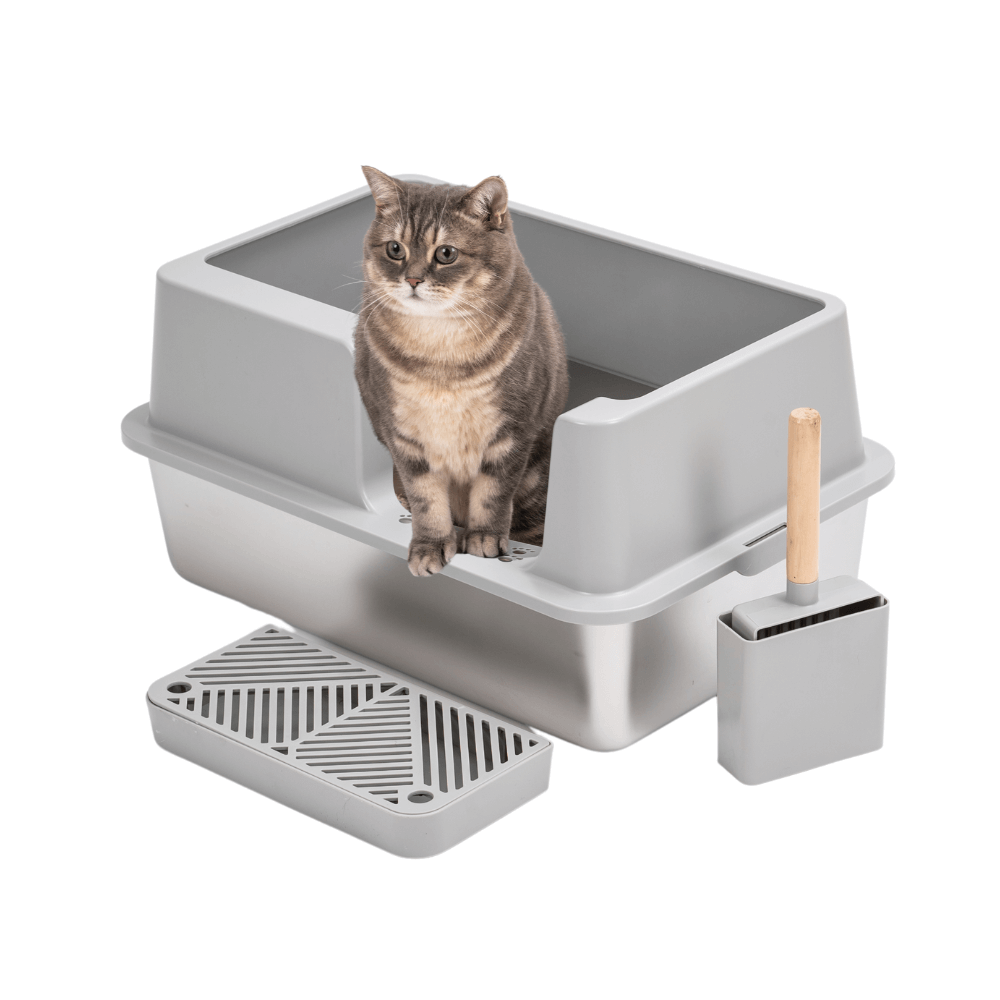
Give your cats more room and a healthier space with an XL stainless steel litter box. Its sturdy base resists stains and odors, while high walls keep litter where it belongs—even in busy multi-cat homes. Enjoy easier cleanups and less mess, plus a complete kit and a risk-free 12-month guarantee.
Strategic Placement Throughout Your Home
Placing multiple water stations in different areas of your home significantly increases your cat's access and encourages more frequent drinking. Cats are more likely to hydrate when water is conveniently located in spots they naturally frequent, such as near favorite sleeping areas or along common pathways. Crucially, always keep water bowls away from litter boxes and food sources, as cats instinctively avoid drinking near where they eliminate or eat due to contamination concerns in the wild.
For optimal results, choose quiet, low-traffic areas where your cat feels secure and undisturbed, such as a calm corner or a secluded room. Elevated positions, like on a stable shelf or a low table, can be particularly beneficial for arthritic or older cats by reducing strain on their joints. Implementing these placement strategies is especially important in multi-cat household strategies, as it helps prevent resource guarding and ensures each cat has peaceful access to hydration.
Water Quality and Enhancement Techniques
Cats often reject water due to subtle factors like staleness or temperature, but simple enhancements can make hydration irresistible. By focusing on three key areas—temperature adjustments, introducing movement, and subtle flavor infusions—you can tap into your cat's natural preferences for fresh, appealing water sources. These methods work by aligning with feline instincts, such as their attraction to moving water, which signals safety and freshness in the wild.
To avoid overwhelming your cat, introduce one enhancement at a time over several days, starting with the least intrusive change, like adding a single ice cube to their bowl. Observe your cat's reaction closely; if they show interest, you can gradually incorporate other techniques, such as placing a water fountain on its lowest setting or offering a teaspoon of tuna water mixed in. Consistency is key—maintain these enhancements daily to build positive associations, ensuring your cat views water stations as rewarding rather than stressful.
Temperature Tricks: Ice Cubes and Cool Water
Cats are particularly sensitive to water temperature, often rejecting water that feels too warm or stagnant. Their natural preference leans towards cool water, ideally between 50-60°F, as it closely resembles the fresh, flowing water sources their ancestors sought. To introduce this without causing shock, begin by placing just one or two ice cubes in their bowl, allowing them to investigate and drink at their own pace as the cubes melt.
Consistency is key, so refresh the water completely at least twice a day to ensure it remains cool and appealing. In warmer climates or during summer months, insulated bowls can be a game-changer by maintaining a lower temperature for extended periods. For more detailed advice on managing your cat's comfort in heat, refer to our comprehensive resource on hot weather cat care.
Water Fountains: The Moving Water Advantage
The instinctual preference for moving water is rooted in cats' evolutionary history, as running water is often fresher and safer in the wild, which appeals to their natural avoidance of stagnant sources. To capitalize on this, introduce the fountain gradually by starting with the lowest flow setting and placing it in a quiet location your cat already frequents, such as near their favorite resting spot, to avoid startling them. This slow introduction allows your cat to acclimate at their own pace, turning curiosity into a consistent drinking habit.
Regular maintenance is crucial; clean the fountain components weekly to prevent biofilm buildup and ensure water freshness, as scratches in bowls can harbor bacteria. For noise-sensitive cats, opt for models with quiet pumps to make the experience pleasant and non-threatening. Many owners report remarkable turnarounds, like a senior cat named Bella who went from ignoring water bowls to happily drinking from a fountain after it was placed in her preferred sunny window, demonstrating how proper setup can overcome initial reluctance.
Flavor Enhancements and Filtered Water
If your cat turns up their nose at tap water, it might be due to sensitivity to chlorine or mineral tastes, making filtered or bottled water a simple yet effective alternative. Freezing low-sodium chicken broth into ice cubes is a clever way to introduce appealing flavors gradually; as the cubes melt, they release a subtle scent that attracts cats without adding unhealthy sodium. This method leverages cats' natural curiosity and can be introduced by placing one cube in their bowl to avoid overwhelming them.
For hidden hydration, consider adding a tablespoon or two of water to your cat's wet food, which seamlessly increases moisture intake during mealtime. Occasionally, using the water from a can of tuna packed in water (not oil) as a special treat can entice drinking, but limit this to once a week to prevent reliance on strong flavors. Always introduce any enhancement slowly, observing your cat's response to ensure these strategies support rather than stress their hydration habits.
| Enhancement | Best For | Effectiveness | Ease of Use |
|---|---|---|---|
| Filtered Water | Cats sensitive to tap water taste | High | Easy |
| Ice Cubes | Temperature-sensitive cats | Medium | Very Easy |
| Broth Ice Cubes | Finicky drinkers needing flavor | High | Moderate |
| Tuna Water | Occasional treat to encourage drinking | Very High | Easy |
Dietary Approaches to Hydration
One of the most effective strategies to boost your cat's hydration is to leverage their diet by incorporating moisture-rich foods. Wet or canned cat food, for instance, typically contains around 78% water, which directly supplements their fluid intake in a highly palatable way. This method is especially valuable for cats with a low thirst drive, as it delivers essential hydration through a medium they already consume eagerly.
The dramatic difference in moisture content between dry and wet food highlights this approach's impact. Dry kibble contains only about 10% moisture, meaning a cat on an exclusive dry diet must consciously drink far more water to compensate. For example, a cat eating 200 grams of dry food receives a mere 20 grams of water from it, while the same amount of wet food provides approximately 156 grams of water—effectively supplying over seven times more hydration through diet alone and significantly easing the demand on their innate low thirst drive.
Wet Food Integration Strategies
Dry commercial kibble contains only about 10% moisture, whereas high-quality wet food can boast up to 78% water content. This dramatic difference means a cat on an exclusively dry diet must consciously drink significantly more water to meet their hydration needs, a challenge given their naturally low thirst drive. Integrating wet food is therefore a powerful strategy to passively and substantially increase your cat's daily water intake.
To avoid digestive upset, transition your cat to wet food gradually over 7 to 10 days by mixing increasing amounts with their current dry food. For an even greater hydration boost, add a tablespoon or two of water to wet food pâté, creating a gravy-like consistency that many cats find irresistible. Always serve wet food at room temperature, as slight warming enhances its aroma, making it more appealing to finicky eaters. For a step-by-step plan on making this dietary shift, consult our detailed guide on transitioning cat foods.
Maintenance and Positive Reinforcement
Establishing lasting hydration habits for your cat hinges on consistent maintenance and positive encouragement. Daily cleaning of water bowls with hot, soapy water prevents bacterial growth and ensures the water remains fresh and appealing, which is critical for finicky drinkers. When you pair this routine hygiene with immediate rewards like a small treat or affectionate praise after your cat drinks, you create a powerful association that reinforces the behavior over time.
The psychology behind positive reinforcement leverages operant conditioning, where your cat learns to connect the act of drinking with a desirable outcome. This approach works because it taps into your cat's natural inclination to repeat actions that result in positive experiences, such as receiving attention or food rewards. By consistently applying this technique, you can gradually shape your cat's behavior to increase voluntary water consumption without causing stress or aversion.
Daily Cleaning Protocols
Establishing a consistent daily cleaning routine is fundamental to ensuring your cat's water remains fresh and appealing. Wash bowls thoroughly with hot, soapy water each day to eliminate harmful bacteria and biofilm that can deter drinking. It's crucial to rinse all soap residue completely, as any leftover taste or scent might discourage your cat from hydrating. Using dedicated pet cleaning supplies designed for safety can simplify this process while protecting your cat's health.
Regularly inspect your cat's water bowl for scratches or abrasions, as these microscopic grooves can harbor mold and bacteria, making the water unappealing. Instead of merely topping off the water level, replace the entire contents with fresh water to maintain optimal cleanliness and oxygenate the water, which cats often prefer. This practice of complete replacement, combined with daily washing, significantly reduces the risk of urinary tract issues by encouraging consistent water intake.
Building Positive Associations
Offer your cat a small, high-value treat immediately after they finish drinking to create a strong positive association with the act of hydration. This method leverages operant conditioning, where the reward reinforces the behavior, making your cat more likely to repeat it. Similarly, use verbal praise in a gentle, encouraging tone when your cat approaches the water bowl to build confidence and comfort around water sources.
Strategically place water bowls near your cat's favorite resting spots, such as their bed or a sunny windowsill, to integrate hydration seamlessly into their daily routine. Avoid any form of punishment or loud noises near water stations, as negative experiences can lead to avoidance behaviors. Consistency in these positive reinforcement techniques will help your cat develop lasting, healthy habits.
Putting It All Together
Begin by implementing just one or two changes rather than overwhelming your cat with multiple adjustments simultaneously. This gradual approach allows your feline companion to adapt comfortably to each modification. Focus first on the most impactful strategies, such as relocating water bowls away from food sources or introducing a water fountain, as these often yield the quickest results in improving hydration habits.
Monitor your cat's water intake by keeping track of how frequently you need to refill their bowls each day. You can also observe their drinking behavior directly, noting any increases in frequency or duration at the water station. Pay attention to physical indicators of proper hydration, including brighter eyes with no discharge, improved skin elasticity when gently pinched, and increased energy levels during playtime.
Consistency with these techniques will transform your cat's hydration habits within weeks, significantly reducing their risk of urinary and kidney issues for years to come. Explore our hydration solutions to support your cat's wellness journey.
Frequently Asked Questions
Why don't cats like to drink water?
Cats' reluctance to drink water is deeply rooted in their evolutionary history as desert-dwelling animals, such as the African wildcat. These ancestors developed a naturally low thirst drive because they obtained the majority of their necessary hydration from the moisture-rich prey they consumed. This instinctual behavior of sourcing water from food, rather than seeking out standing water, has been genetically passed down to domestic cats today.
In a modern home environment, this evolutionary trait creates a significant hydration mismatch, as many cats are fed dry kibble that contains only about 10% moisture. Unlike their natural diet of prey, which is 70-80% water, dry food does not provide sufficient hydration, yet a cat's innate low thirst drive often fails to prompt them to drink enough to compensate. This discrepancy is a primary reason why urinary and kidney health issues are prevalent in cats, making it crucial for owners to actively encourage water intake through various strategies.
How much water does a cat need daily?
A general guideline suggests cats need approximately 3.5 to 4.5 ounces of water per 5 pounds of body weight daily, which helps support essential bodily functions like kidney filtration and nutrient transport. This baseline is critical because chronic under-hydration can predispose cats to urinary crystals and kidney disease, issues highlighted in feline health research. However, this is just a starting point, as individual requirements can fluctuate based on several factors.
Diet is a primary influencer—cats consuming mostly dry kibble, which contains only about 10% moisture, will require significantly more water from their bowl compared to those on wet food diets that are 70-80% water. Additionally, a cat's activity level and environmental conditions, such as living in a warm climate or having a more playful demeanor, can increase their daily water needs. Monitoring your cat's habits and consulting with your veterinarian for personalized advice is the best way to ensure optimal hydration.
Is a water fountain better than a bowl?
For many cats, a water fountain is indeed a better option than a traditional bowl. This preference stems from their evolutionary instincts, as moving water is naturally associated with freshness and safety in the wild, unlike stagnant sources that may harbor contaminants. The continuous circulation in fountains mimics this desirable flow, often increasing a cat's water intake by making drinking more appealing.
Beyond instinctual attraction, fountains offer practical benefits by keeping water aerated and cooler, which slows bacterial growth and maintains purity between cleanings. The gentle sound and visual movement can also capture the attention of hesitant drinkers, turning hydration into an engaging activity rather than a chore. While not every cat may immediately take to a fountain, the majority find the dynamic water source more inviting than still bowls, supporting overall health through improved hydration habits.
Managing Pine Pellets for 3+ Cats: Capacity & Frequency Guide
Sifting vs. Traditional Scooping: Why You Should Ditch the [Poop Shovel]
Navigating in the Dark: Why Tactile Cues Matter for Blind Cats
Gunmetal vs. Silver: Choosing the Right Finish for Your Bathroom