


![How to Deep Clean a Stainless Steel Litter Box: A Guide for [Total Hygiene]](http://www.furrbby.com/cdn/shop/articles/blog_59.png?v=1772436626&width=360)
How to Deep Clean a Stainless Steel Litter Box: A Guide for [Total Hygiene]
by Laura Jane on Feb 12, 2026
While stainless steel litter boxes are known for their durability and odor resistance, they require specific cleaning methods to prevent damage. Using the wrong tools or chemicals can lead to corrosion and scratches, trapping bacteria and creating hygiene issues for your facility or your customers.
This guide provides a straightforward process for maintaining stainless steel. We’ll cover why you should never use bleach or ammonia-based products and explain how abrasive pads create micro-scratches that harbor odors. You'll learn the correct supplies for deep cleaning, daily maintenance, and how to remove stubborn hard water spots safely.

Before You Begin: Tools
For cleaning a stainless steel litter box, you'll need a matching stainless steel scoop for durability, a soft brush or sponge to prevent scratches, and mild soap with hot water. For disinfection, diluted vinegar is a safe option, but avoid harsh chemicals like bleach or ammonia which can cause corrosion.
Scooping and Waste Disposal Tools
For daily scooping, a stainless steel scoop is the best tool. Choosing one made from 18/8 or 304 grade steel ensures it matches the litter box material, preventing scratches and potential corrosion. It is far more durable and rigid than a standard plastic scoop. To keep odors contained, use sealable trash bags or a dedicated waste container for disposing of the clumps.
Washing and Disinfection Supplies
When it's time for a deep clean, you need supplies that sanitize without damaging the metal. Use a soft sponge or a soft-bristle brush to scrub the surface. Do not use steel wool or other abrasive pads, as they create micro-scratches where bacteria and odors can hide. The non-porous surface of stainless steel makes cleaning straightforward, so harsh scrubbing is not necessary.
For routine washing, mild dish soap and hot water are effective. After a thorough rinse, you can disinfect the box with a diluted vinegar solution. It is critical to never use bleach or ammonia-based cleaners. These chemicals corrode stainless steel and can leave behind residues that are harmful to your pet.
The Step-by-Step Guide to The "Rinse & Go" Method
The 'Rinse & Go' method is a weekly cleaning routine designed for 304 stainless steel litter boxes. It involves emptying the box, rinsing with warm water (around 30–40 °C), washing with mild soap using a non-abrasive sponge, rinsing again, and then drying it completely to prevent bacterial growth and material damage.
| Cleaning Steps (The "Do's") | What to Avoid (The "Don'ts") | Rationale |
|---|---|---|
|
|
|
The Weekly Wash Cycle: Warm Water & Mild Soap
After you empty all the used litter, begin the cleaning process by rinsing the box with warm water, around 30–40 °C. This initial step helps dislodge fine litter particles and any soluble waste. Next, apply a small amount of mild dish soap or a pet-safe detergent with a soft sponge or cloth, and wash the entire interior. The non-porous surface of 304 stainless steel resists residue buildup, making this simple wash effective. Finish by rinsing the box a second time to remove all soap, which could otherwise trap odors or deter your cat from using the box.
Protecting the Steel: Tools and Cleaners to Avoid
To maintain the litter box's hygienic surface, use only non-abrasive tools like soft cloths or sponges. Steel wool and abrasive scouring pads will create micro-scratches in the metal, which can trap bacteria and make future cleaning more difficult. You should never use bleach, ammonia-based products, or other harsh chemical cleaners. These agents can cause pitting corrosion and permanently stain the steel. If you need a safe disinfecting option, a vinegar-and-water solution (with a ratio between 1:1 and 1:3) is compatible with stainless steel. Always dry the litter box completely with a towel or let it air dry to prevent mineral deposits and stop any new bacterial growth.
Troubleshooting: Removing Hard Water Spots
Hard water spots are mineral deposits that bond to stainless steel. To remove them, use a mildly acidic cleaner on a small area, rub gently, and then neutralize the surface with water to dissolve the buildup without scratching the metal.
Why Water Spots Form on Stainless Steel
Hard water contains dissolved minerals like calcium and magnesium, which get left behind when water evaporates from a stainless steel surface. These alkaline deposits form a chemical bond with the metal, making them difficult to remove with standard soaps or by wiping. Water is considered moderately hard starting at just 61–120 mg/L of mineral content, a level found in many household water supplies.
Technique for Safe Mineral Removal
Select a mildly acidic gel or a pH-balanced liquid spot remover specifically formulated for materials like stainless steel. If you use a concentrated product, dilute it according to the manufacturer's instructions. Common ratios are often around 2:1 or 3:1 with water, but this ensures the cleaner is effective without being too aggressive on the metal.
Apply the solution to a microfiber cloth and work on a small 2'x2' area at a time to prevent the cleaner from drying on the surface. Gently agitate the spot to break down the deposits, then thoroughly rinse the area with clean water to neutralize the acidic reaction. Finish by wiping the surface completely dry with a new, clean cloth to prevent new spots from forming.
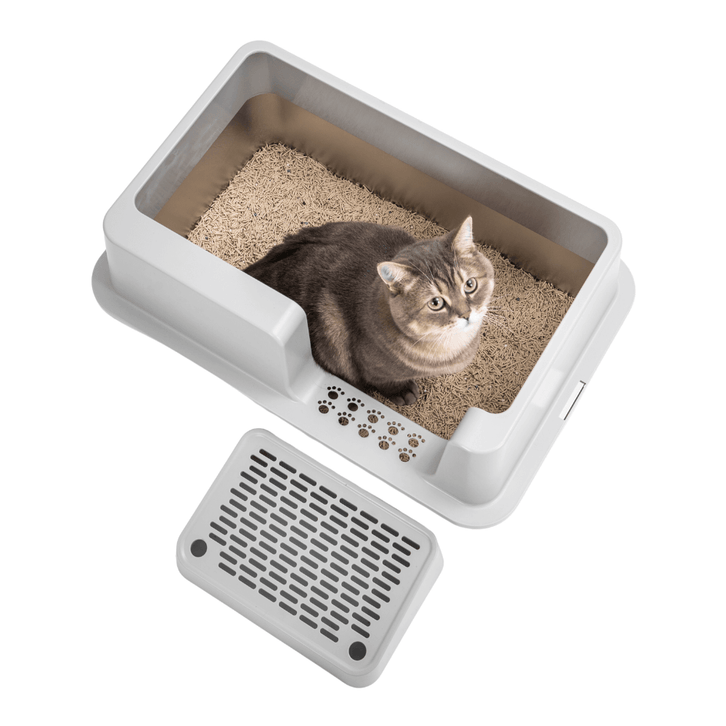
Upgrade to Stainless Steel: The End of Odor & Scrubbing.
Final Thoughts
Keeping a stainless steel litter box clean comes down to a few simple rules. Always use soft materials like a sponge or microfiber cloth to avoid scratches. Mild dish soap and hot water are enough for regular washing, while a diluted vinegar solution works well for disinfecting. The most important thing is to stay away from harsh chemicals like bleach or ammonia, which can ruin the metal.
By following these cleaning steps, you maintain the non-porous, odor-resistant surface that makes stainless steel a great choice. You are not just cleaning a box; you are preserving its hygienic properties for the long term. This simple routine protects your investment and creates a cleaner, healthier environment for your cat.
Frequently Asked Questions
Can I use bleach on a stainless steel litter box?
No, you should not use bleach or other harsh chemicals like ammonia. These can damage the stainless steel surface and leave behind residues that are harmful to your cat. Stick to hot, soapy water and a simple water-vinegar solution for safe cleaning.
Is a stainless steel litter box dishwasher safe?
Yes, many models are dishwasher safe, particularly those made from 304-grade stainless steel. This material is chosen for its resistance to corrosion, so it holds up well in a dishwasher.
How do I remove white spots from my stainless steel litter box?
Those white spots are mineral deposits from hard water. To remove them, spray a 1:1 solution of white vinegar and water on the spots, let it sit for about five minutes, and then wipe it clean with a microfiber cloth. Rinse and dry the box completely to stop them from coming back.
Do I need to scrub a stainless steel litter box?
You generally do not need to scrub it hard. For routine cleaning, a simple wipe-down with a soft sponge and mild detergent is enough. Save any scrubbing for stuck-on waste, and perform a deeper clean about once every three months.
What is the best cleaner for a stainless steel litter box?
A pH-neutral cleaner is the industry standard because it cleans effectively without causing corrosion. A DIY paste made from vinegar and baking soda is also a safe and effective option.
How often should I wash the litter box?
You should wash the litter box weekly using mild soap and warm water, in addition to scooping waste out daily. If you have more than one cat, you might need to wash it more often to keep things clean.
Managing Pine Pellets for 3+ Cats: Capacity & Frequency Guide
Sifting vs. Traditional Scooping: Why You Should Ditch the [Poop Shovel]
Navigating in the Dark: Why Tactile Cues Matter for Blind Cats
Gunmetal vs. Silver: Choosing the Right Finish for Your Bathroom