


12 Subtle Signs Your Cat is Stressed by Its Litter Box
by Taylor Claier on Oct 03, 2025
Many cat owners see subtle changes in their cat’s bathroom habits but may not realize these signal stress linked to the litter box. Cats depend on safety and privacy for elimination, and slight anxiety around their litter box can lead to behaviors that puzzle pet parents.
Recognizing these understated signs can prevent larger behavioral issues and improve your cat’s well-being. This guide explores twelve subtle signs of litter box stress and offers practical guidance to help you create a comfortable elimination environment.
What Every Cat Owner Should Know About Litter Box Stress
- Cats often show invisible signs of litter box stress linked to environment, box type, and social factors.
- Creating a calm, clean, and private litter box setup improves cat comfort and reduces elimination problems.

Understanding Why Cats Experience Litter Box Stress
Cats are creatures of habit who require a specific set of conditions in their litter box environment to feel safe and comfortable. Stress often arises when these essential needs—such as privacy, cleanliness, and a quiet location—are not met. Environmental factors like noise, heavy foot traffic, or placing the litter box near food and water disrupt a cat’s sense of security, causing anxiety around elimination. Because cats instinctively seek a calm and protected space, disturbances or changes in routine can trigger behavioral stress linked to the litter box.
Physical and social triggers also play significant roles in litter box stress. For instance, cats living in multi-cat households may experience territorial tension if there are not enough litter boxes or if boxes are placed too closely together. Additionally, changes in litter texture, box size, or the presence of unpleasant odors can discourage use. When a cat’s preferences or needs are unmet—whether due to improper box type, location, or social dynamics—their natural elimination habits are disrupted, often leading to avoidance, marking, or signs of heightened anxiety.
Environmental and Social Triggers That Upset Your Cat
Cats are highly sensitive to their surroundings, and their litter box experience can be negatively impacted by environmental stressors. Litter boxes placed in noisy or busy areas—such as near common walkways, television rooms, or laundry appliances—often discourage cats from using them due to the lack of privacy and perceived threat of interruption. Additionally, placing litter boxes too close to food or water bowls creates discomfort, as cats instinctively prefer to keep their elimination areas separate from feeding spots to feel safe and secure.
In multi-cat households, insufficient litter box availability or poor placement can trigger territorial disputes, heightening stress and leading to avoidance or inappropriate elimination. For instance, a case study of a busy household with three cats showed significant improvement after relocating litter boxes away from high-traffic hallways to quieter, private corners, which greatly reduced anxiety-related behaviors near the boxes. Managing litter box placement and quantity carefully in these environments is essential for peace among feline housemates and overall litter box harmony. For more on this, see our guide on multi-cat household litter box management.
Physical and Sensory Factors That Affect Litter Box Use
Physical and sensory elements play a crucial role in a cat’s willingness to use its litter box. Long-haired cats, for example, may avoid their boxes if the litter tends to stick to their fur or causes matting, leading to discomfort or additional grooming challenges. Similarly, covered litter boxes, while helping contain odors and mess, can trap unpleasant smells inside and create an enclosed space that some cats find intimidating or claustrophobic, contributing to avoidance behaviors.
Additionally, the size of the litter box is important; a box that’s too small restricts a cat’s natural movement and can make elimination stressful. Changes in litter brand or type also affect usage since cats are sensitive to texture and scent shifts; sudden switches may cause a cat to hesitate or refuse the box altogether. For these reasons, carefully choosing the right litter box that considers your cat’s physical and sensory preferences is key to reducing litter box stress and encouraging consistent use.
Twelve Subtle Signs Your Cat is Stressed by Its Litter Box
Many cat owners focus on obvious signs like avoiding the litter box altogether, but cats often communicate stress through much subtler behaviors. For instance, a cat that repeatedly runs quickly in and out of the box may be expressing discomfort or anxiety about the environment surrounding the box rather than a medical issue. Similarly, eliminating just outside or near the box can indicate a conflict between their instinct to use the litter and unease with the box's condition or placement.
Other nuanced signs include prolonged digging, which can signify frustration or the cat’s effort to mask its elimination due to stress. Marking behavior on new or previously used spots is another indicator of territorial anxiety triggered by insufficient privacy or competition in multi-cat households. Additionally, a cat showing hesitation or visible anxiety when approaching the box—such as crouching or vocalizing quietly—reflects an underlying stress that often goes unnoticed but can escalate into more serious behavioral problems if left unaddressed.
Behavioral Clues: Actions That Speak Volumes
Cats forced to endure stress related to their litter box often exhibit subtle yet telling behaviors that offer clues to their discomfort. For instance, running quickly in and out of the box may indicate anxiety or a negative association with the elimination space, signaling that something about the box or its surroundings is unsettling. Similarly, cats eliminating near but not inside the litter box suggest avoidance rooted in fear, past negative experiences, or dissatisfaction with the box’s location, cleanliness, or substrate.
Other behaviors such as prolonged digging or outright avoidance point to unease—whether caused by an uncomfortable litter type or physical issues like box size or scent. Marking new items or revisiting previously marked spots reflects territorial stress, especially common in multi-cat households where social dynamics escalate tension around litter areas. Additionally, anxious behavior when approaching the box, including hesitation or retreat, often signals an environment that fails to provide the privacy and calm cats instinctively seek. Recognizing these nuanced signs is critical for addressing root causes and resolving cat behavior problems litter box challenges effectively.
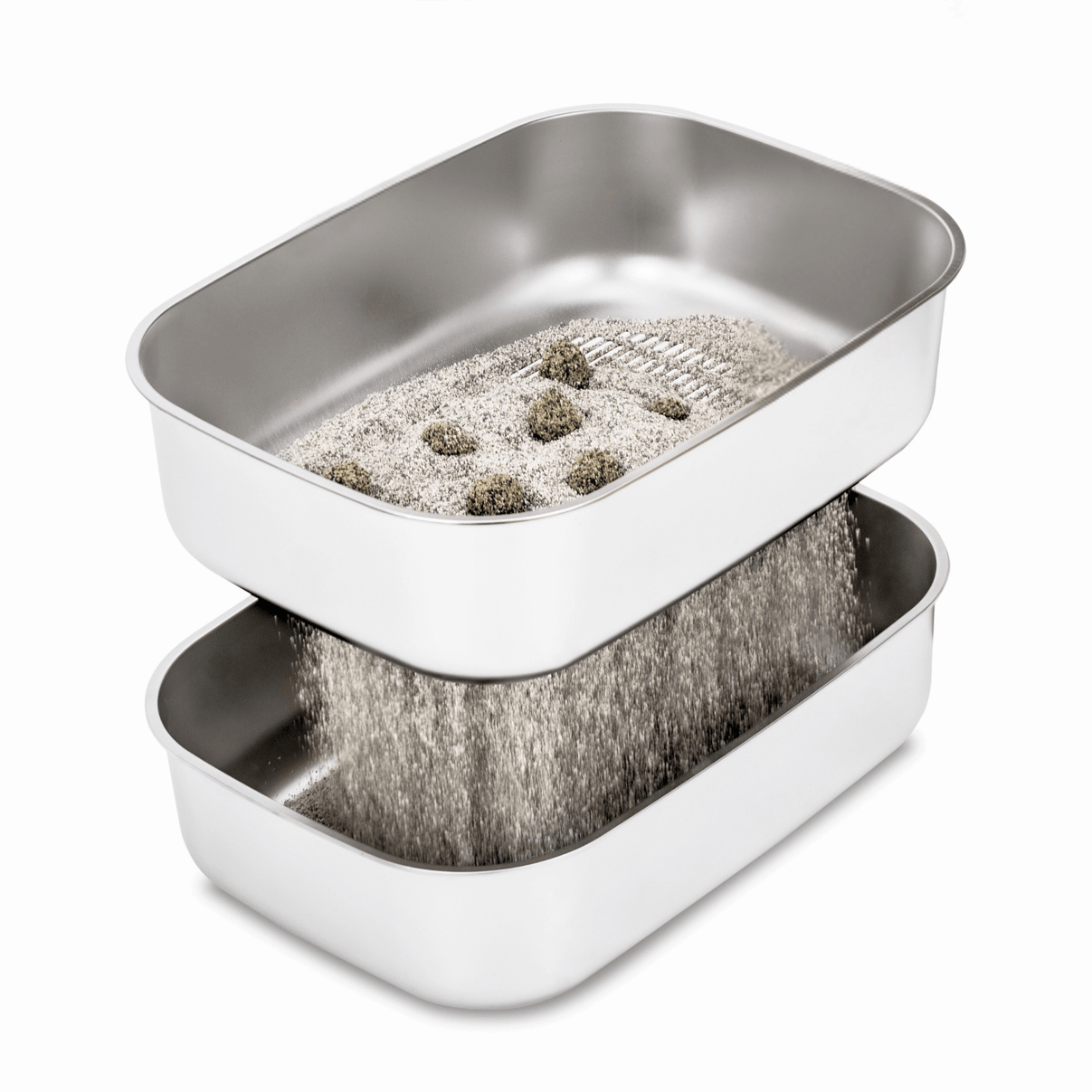
Effortless Cleanup with Style
Transform your litter box experience with our XL Stainless Steel Sifting Litter Box. Enjoy a swift, 3-second cleanup and reduce litter waste while ensuring a fresh, odor-free environment for you and your feline friends. Perfect for multi-cat households!
Stress-Linked Anxiety and Environmental Responses
Cats are highly sensitive to their surroundings, and sudden loud noises or disturbances—such as fights or loud household activity near their litter box—can trigger heightened anxiety. This stress response often causes cats to hesitate or avoid approaching the box, reflecting a deep-seated need for safety and predictability when eliminating. Environmental changes like new furniture placement, renovations, or unfamiliar visitors can exacerbate this reluctance, signaling emotional discomfort rooted in uncertainty.
In response to these stressors, cats may seek alternative elimination spots inside the home, choosing locations they perceive as safer or quieter. These behaviors are not acts of defiance but coping mechanisms to regain control over their environment. Understanding and addressing these subtle signs of stress can help pet owners create a calmer, more reassuring litter box experience, ultimately supporting their cat’s well-being and reducing inappropriate elimination. For more insights, see our guide on stress in cats.
Creating a Comfortable, Stress-Free Litter Box Environment
Establishing a calm and inviting litter box environment is essential to reducing your cat’s stress and encouraging consistent, healthy elimination habits. Start by selecting quiet, low-traffic areas for litter box placement—away from food and water stations—to provide the privacy cats instinctively seek. Maintain impeccable cleanliness by scooping daily and periodically changing the litter, as cats are highly sensitive to odors and dirty conditions. Choosing a box that offers ample space for your cat to turn comfortably without feeling confined further enhances their sense of security.
Next, consider your cat’s preferences regarding covered versus open litter boxes, as some cats may feel trapped in a covered box while others appreciate the added privacy. In households with multiple cats, ensure you have at least one litter box per cat plus an extra to prevent territorial stress and competition. Consistent routines and gentle positive reinforcement during litter box training or retraining can help your cat associate the area with safety and comfort. By attentively managing these factors in a stepwise manner, you can significantly improve your cat’s litter box experience and foster a stress-free, harmonious home environment.
Location, Cleanliness, and Box Choice
Choosing the right location for your cat’s litter box is crucial in reducing stress and encouraging consistent use. Place the box in a quiet, low-traffic area that offers privacy and feels safe to your cat, making sure it is well away from food and water dishes to avoid discomfort or confusion. Cats are naturally cautious about their elimination spots, and a calming environment helps them feel secure during this vulnerable activity.
Maintaining impeccable cleanliness is equally important, as cats are highly sensitive to odors and dirty litter, which can discourage use and increase anxiety. Select a litter box large enough to allow your cat to comfortably turn around and dig, as cramped spaces can cause frustration. Finally, consider your cat’s individual preference between open and covered boxes—some cats appreciate the openness for better ventilation and easy access, while others feel more secure with a covered box that offers additional privacy. Tailoring these elements thoughtfully, along with applying good cat litter box training tips, supports a stress-free, inviting litter box experience that promotes healthy habits.
Managing Multi-Cat Household Challenges
In multi-cat households, managing litter boxes thoughtfully is essential to reduce stress and prevent elimination issues. A good rule of thumb is to provide at least one litter box per cat, plus an additional one, ensuring each feline has multiple private options. This helps minimize territorial disputes and gives cats more control over their elimination choices, which is crucial for their comfort and well-being.
Boxes should be spaced out across different quiet areas in the home to avoid competition and allow cats to feel safe and unguarded while using them. Keeping litter boxes clean through regular scooping and complete litter changes also reduces scent overlap that can trigger marking behaviors and anxiety. Incorporating environmental enrichment, such as interactive play and vertical spaces, can further alleviate territorial stress. Together, these steps foster a peaceful home dynamic and improve your cats’ litter box experience. For more detailed guidance on encouraging proper use, see our tips on retraining cat litter box use.
Responding to Behavioral and Health Concerns
It is essential to monitor your cat for possible medical issues that might cause avoidance behaviors related to the litter box, such as urinary tract infections, arthritis, or digestive problems. These conditions can make using the litter box painful or uncomfortable, prompting your cat to seek alternative elimination spots or display reluctance to enter the box. Early veterinary evaluation and treatment can significantly improve your cat’s comfort and reduce stress-associated behaviors.
Additionally, changes in household routines, new pets, visitors, or alterations in family dynamics can create anxiety that affects litter box usage. Cats are creatures of habit and may become unsettled by even subtle disruptions, leading to litter box avoidance or marking behaviors. During retraining or adjustment periods, offering calm reassurance and using positive reinforcement helps build your cat’s confidence and encourages consistent litter box use, fostering a stress-free and trusting environment.
Helpful Tools and Visual Aids
To effectively recognize and alleviate cat litter box stress, utilizing practical tools such as comparison tables and visual guides can be invaluable for cat owners. A well-structured comparison table that outlines the pros and cons of different litter box types—such as open versus covered designs, size variations, materials used, and their suitability for various cat breeds and temperaments—helps owners make informed decisions tailored to their cat’s unique needs. This clarity aids in selecting a box that optimizes comfort and reduces anxiety related to confinement, odor, or accessibility.
Moreover, a visual guide illustrating the ideal placement of a litter box within the home provides vital context for creating a calm, low-traffic elimination area. This includes positioning the box away from noisy appliances, busy walkways, and food or water stations, while ensuring enough privacy for the cat without complete isolation. By visualizing these environmental cues, cat owners can transform their space into a sanctuary that respects the cat’s instinctual preferences, promoting consistent litter box use and reducing stress-related behaviors.
Litter Box Types and Features Comparison Table
| Feature | Open Litter Box | Covered Litter Box |
|---|---|---|
| Best For | Cats who dislike enclosed spaces, large cats, or those who need quick entry/exit. | Cats who prefer privacy, and owners who want to contain odor and litter scatter. |
| Size | Available in various sizes; ensures good ventilation. | Can feel cramped for larger cats; important to choose an extra-large model. |
| Materials | Typically plastic, but stainless steel options offer superior odor control and durability. | Plastic usually, which can absorb and trap odors over time. |
| Considerations | Litter may be kicked out more easily. Offers less odor control. | Traps odors, which can be offensive to cats. May cause anxiety in some felines. |
Visual Guide to Setting Up a Quiet and Private Litter Box Area
[Visual guide illustrating ideal litter box placement in a home, showing a quiet corner away from high-traffic areas, food bowls, and loud appliances. Green checkmarks indicate good spots, red X's indicate poor spots.]
Conclusion
Cats show many nuanced signs of litter box stress influenced by environment, social dynamics, and physical comfort. Owners can significantly improve their cat’s experience by addressing location, cleanliness, and box choice, as understanding these signs nurtures a calm home. Taking proactive steps, such as exploring specialized litter boxes and making environmental adjustments, creates a stress-free bathroom area that supports overall feline well-being.
Frequently Asked Questions
Why does my cat run out of the litter box like a rocket?
Cats often dash yaout of the litter box due to negative associations that cause them discomfort or anxiety. This behavior can be triggered by factors such as an unpleasant litter box location, unexpected loud noises nearby, or an overall sense of insecurity in the environment surrounding the box. For example, a litter box placed in a noisy hallway or close to the sound of running appliances can startle a cat, prompting a rapid exit as a stress response.
Running out like a "rocket" signals that your cat feels unsafe or uneasy during elimination, a vulnerable moment for any feline. Understanding and addressing these environmental stressors—such as moving the litter box to a quieter, more secluded spot and minimizing disruptive noises—can help your cat feel more relaxed and confident while using their litter box. This not only improves their comfort but also reduces the likelihood of avoidance behaviors or elimination outside the box.
What does it mean when a cat digs in the litter box for a long time?
Extended digging in the litter box often signals that a cat is experiencing some form of anxiety or discomfort related to its elimination routine. This behavior can be a cat's way of trying to carefully cover its waste or an expression of unease with the type of litter, the box’s cleanliness, or even the environment surrounding the box. Persistent digging may also reflect stress, as cats are highly sensitive to changes or dissatisfaction in their litter box conditions.
In many cases, long digging sessions indicate that the cat is struggling to feel secure while using the litter box, which can result from unpleasant odors, inappropriate box size, or nearby noises that disturb their sense of privacy. Observing this behavior should prompt owners to examine the litter box setup carefully and consider adjustments in litter type, cleaning frequency, or location to ensure a calm and comfortable experience for their feline companion.
How can I create a stress-free litter box environment?
Creating a stress-free litter box environment begins with choosing a quiet, private location that is away from your cat’s food and water bowls as well as from high-traffic or noisy areas. Cats feel safest when they can eliminate without disruptions or the potential for sudden surprises, so placing the litter box in a calm corner or room encourages regular use and reduces anxiety. Maintaining impeccable cleanliness by scooping daily and changing litter frequently also promotes comfort, as cats are naturally clean animals who may avoid dirty boxes.
Additionally, selecting a litter box that suits your cat’s size and preferences is essential; a box that is too small or covered in a way that traps odors can add to stress. For households with multiple cats, it’s important to provide at least one litter box per cat plus an extra, spacing them strategically to minimize territorial conflicts and give each cat a private space to eliminate. These thoughtful steps foster a supportive litter box environment that respects your cat's instincts and helps prevent behavioral or stress-related problems.
Managing Pine Pellets for 3+ Cats: Capacity & Frequency Guide
Sifting vs. Traditional Scooping: Why You Should Ditch the [Poop Shovel]
Navigating in the Dark: Why Tactile Cues Matter for Blind Cats
Gunmetal vs. Silver: Choosing the Right Finish for Your Bathroom