


12 Everyday Objects Your Cat Secretly Hates
by Taylor Claier on Sep 16, 2025
Cats are often seen as mysterious, keeping their feelings about everyday objects hidden. While owners provide toys and treats, many common household items can cause a cat quite distress, leading to behavioral issues that are easily misunderstood.
Understanding what annoys or stresses a cat is key to deepening your bond and maintaining a peaceful home. Their world is defined by sensory input, from textures under their paws to scents in the air, and their dislikes directly shape how they interact with their surroundings.
This guide identifies 12 common objects and smells that cats secretly hate. By understanding these aversions, you can better respect their needs and gently guide their behavior for a more harmonious home.
What Every Cat Owner Should Know
- Cats have aversions to specific everyday objects and smells that impact their comfort and behavior.
- Using safe and natural deterrents based on these aversions can improve cat management without stress.
Why Cats React to Certain Objects and Smells
Cats possess highly refined sensory systems that evolved for survival, which heavily influence their reactions to everyday objects and smells. The pads on their paws are packed with nerve receptors, making them exceptionally sensitive to temperature, pressure, and texture. This is why surfaces that feel rough, crinkly, or unstable can cause significant discomfort and deter them from certain areas. Their acute hearing, designed to detect the faint rustle of prey, also picks up on high-frequency noises that humans cannot hear. Sounds like the crinkle of aluminum foil or the electronic hum of ultrasonic devices can be startling or even painful, triggering a flight response. These sensitivities are not just quirks; they are ancient survival traits that alert cats to potential dangers or unfamiliar elements in their environment, ensuring they can navigate their world safely.
Beyond touch and sound, cats have an extraordinarily advanced olfactory system. With up to 200 million scent receptors—compared to a human's mere 5 million—their sense of smell is their primary tool for interpreting the world. This explains their strong aversion to scents like citrus, coffee grounds, and pungent herbs, which are not only unpleasant but can also be perceived as overwhelming or threatening. Cats also possess a vomeronasal organ (Jacobson's organ) in the roof of their mouth, which further analyzes scents and pheromones. These powerful sensory preferences drive them to seek out environments that feel safe and clean, compelling them to avoid stimuli they find stressful or irritating. Understanding these deep-seated natural tendencies is fundamental to interpreting their behavior and providing empathetic care.
Understanding Feline Sensory Sensitivities
A cat's paws are marvels of sensory perception, equipped with a high concentration of nerve endings that make them incredibly sensitive to texture and vibration. This sensitivity helps them navigate in low light and detect prey, but it also means that certain surfaces are highly unpleasant. The crinkly feel and sharp sound of aluminum foil, for instance, can be startling and uncomfortable, causing an immediate retreat. This reaction isn't just a simple dislike; it's an instinctual avoidance of stimuli that feel unnatural and potentially dangerous.
A cat's hearing is similarly acute, capable of detecting a range of frequencies far beyond human capabilities. This allows them to hear the high-pitched sounds of rodents but also makes them vulnerable to artificial noises. The high-frequency sounds from ultrasonic deterrents, while inaudible to us, can be extremely irritating and stressful for them. Even the rustling of certain materials or the electronic whine of an appliance can be a source of constant, low-level anxiety.
The feline olfactory system is perhaps their most dominant sense. A cat's nose contains millions more scent receptors than a human's, making them highly reactive to strong odors. Scents like citrus or coffee contain volatile organic compounds that are overpowering to their sensitive noses. What might be a pleasant aroma to a person can feel like an assault to a cat, explaining their immediate aversion. This is a protective mechanism, helping them avoid potentially toxic substances in the wild.
Finally, cats have an innate preference for cleanliness and order. They are meticulous groomers and expect their environment to meet similar standards. This instinct drives them to reject anything that feels dirty, cluttered, or out of place. A scent that signals something unfamiliar or a texture that feels wrong can be enough to make them avoid an entire area. I once observed a cat suddenly retreat from a room where fresh lemon peels had been left on the floor; the cat’s swift avoidance and wary behavior clearly showed how distressing the smell was. Understanding these sensory sensitivities is essential for supporting your cat's well-being and understanding cat behavior more deeply.
12 Everyday Objects Cats Secretly Hate
Cats have a remarkable sensitivity to their environment, which explains why certain everyday objects and smells provoke strong aversions. Understanding these dislikes allows cat owners to create harmonious living spaces that respect feline preferences and gently guide behavior for everyone’s benefit.
Textured Objects Cats Dislike
A cat's aversion to certain textures is rooted in the extreme sensitivity of its paw pads. These surfaces are not just for walking; they are complex sensory organs. Here are some common textures cats often hate:
- Aluminum Foil: This is a classic cat deterrent for good reason. According to veterinary behavior studies, cats dislike aluminum foil primarily because of the combination of its crinkly texture and the sharp, unpredictable sound it makes under their paws. This dual assault on their senses of touch and hearing makes it an effective, harmless tool for keeping them off countertops and furniture.
- Rough Surfaces: Cats prefer smooth, stable ground. Rough or prickly surfaces like pinecones, plastic carpet runners placed upside down (nubs up), or lattice materials create an uncomfortable and uneven walking experience. These textures trigger an avoidance instinct, as they signal potentially painful or dangerous terrain.
- Sticky Materials: Double-sided tape or sticky mats are highly effective deterrents. Cats are meticulous groomers and despise the feeling of anything sticky on their paws. The sensation is unnatural and difficult to remove, prompting them to quickly learn which surfaces to avoid.
- Smooth River Rocks: While they may look nice in a garden, smooth, loose river rocks can feel unstable under a cat's paws. The lack of a solid footing makes them feel insecure, discouraging them from using planters or garden beds as a litter box. They will typically choose a more predictable surface instead.
These tactile aversions are often used by cat owners as gentle deterrents. Understanding these preferences allows you to implement effective cat deterrents that respect feline comfort while protecting furniture, gardens, or restricted zones.
Scented Items That Stress Cats
A cat's sense of smell is 14 times stronger than a human's, making certain aromas overwhelming and stressful. Here are some of the most common scents that cats find repulsive:
- Citrus Peels and Scents: Oranges, lemons, limes, and grapefruit contain limonene and linalool, compounds that are unpleasant and can be toxic to cats. Animal behavior research confirms that strong citrus smells are particularly offensive to their sensitive olfactory systems. Scattering fresh peels or using a non-toxic citrus-scented spray can be a powerful natural deterrent.
- Coffee Grounds: The strong, acidic aroma of coffee grounds is another scent cats actively avoid. The caffeine in coffee is also toxic to them, so their instinct to stay away is a protective one. Sprinkling used, cooled coffee grounds in garden areas can keep neighborhood cats from digging.
- Strong Herbs: While humans enjoy herbs like lavender, rosemary, rue, and pennyroyal, cats often find their potent smells overpowering. Pennyroyal, in particular, should be used with caution as it can be toxic if ingested. Planting these herbs around the perimeter of a garden can create a natural feline-free zone.
- Pipe Tobacco and Cayenne Pepper: The sharp, irritating odors of tobacco and spicy peppers like cayenne are actively avoided by cats. These smells can irritate their nasal passages and respiratory systems, signaling potential harm. A light dusting of cayenne pepper (used sparingly) can discourage digging in houseplants.
Understanding these scent dislikes is key to creating comfortable boundaries. For more information, see our guide on smells cats hate.
Household Liquids and Devices Cats Avoid
Certain liquids and modern devices can create an unpleasant environment for cats, either through scent or sound.
- Vinegar: The strong, acidic smell of vinegar is pungent and irritating to a cat's nose. While it's a useful, non-toxic cleaner, its lingering odor will cause most cats to avoid a freshly cleaned area. A diluted solution of vinegar and water can be used as a spray deterrent.
- Essential Oils: Many essential oils, including eucalyptus, tea tree, citronella, and lemongrass, are not just unpleasant for cats but can be highly toxic. Their livers lack the enzyme needed to metabolize these compounds, leading to potential poisoning if inhaled, ingested, or absorbed through the skin. It is critical to avoid using diffusers with these oils in homes with cats.
- Ultrasonic Devices: These devices are a common technological deterrent. According to pet care technology reviews, they use high-frequency sounds that are inaudible to humans but fall squarely within a cat's sensitive hearing range. This constant, irritating noise can be highly effective but also very stressful, so it should be used judiciously and not in areas where a cat is meant to feel safe.
- Motion-Activated Sprinklers: A motion-activated sprinkler delivers a surprising and unwelcome burst of water when a cat enters a restricted zone. The sudden shock is startling but harmless, quickly teaching cats to stay away from gardens or specific yard areas. Learning about installing motion-activated sprinklers for cats reveals a practical and effective option for outdoor deterrence when used thoughtfully.
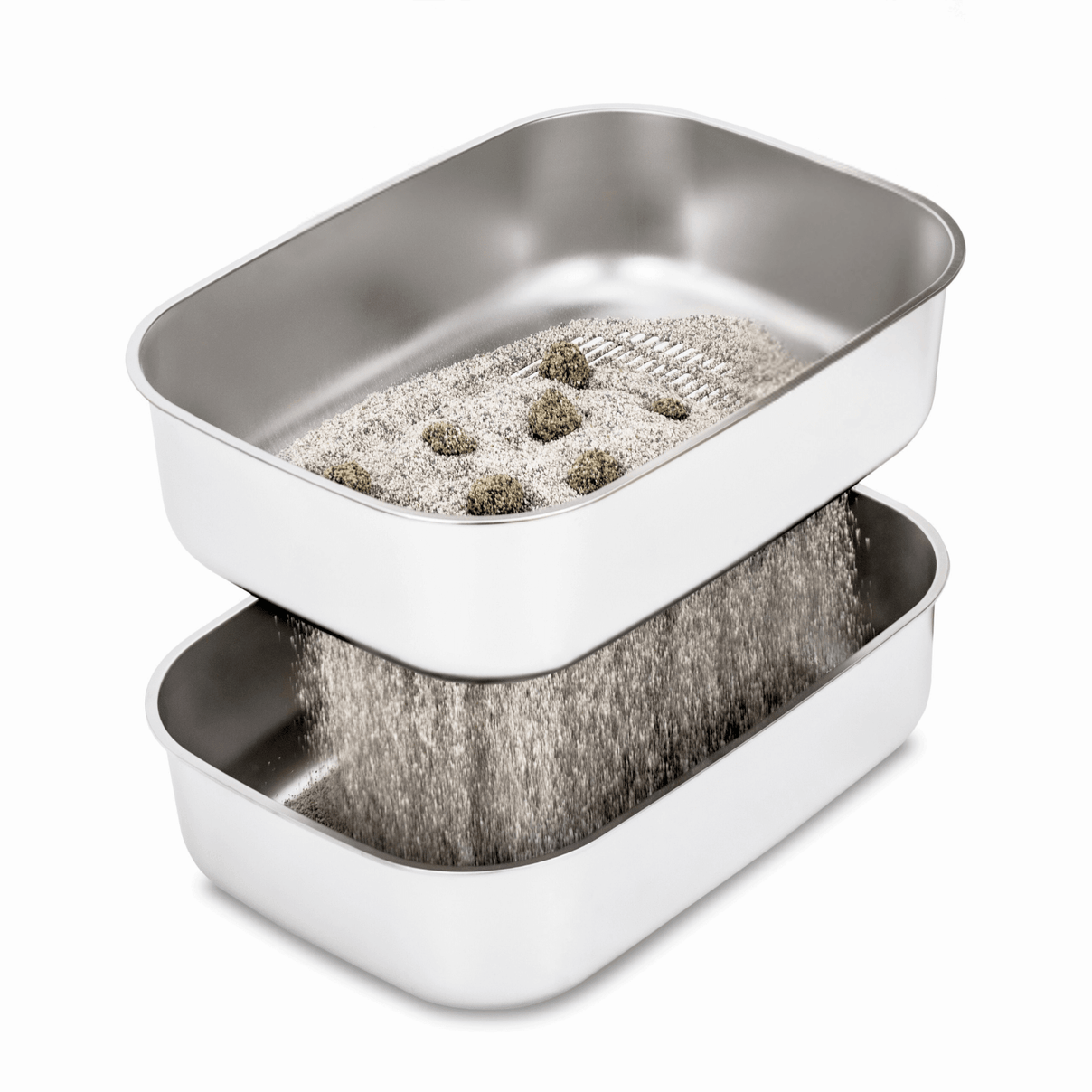
Effortless Cleaning for Happy Cats
Transform your litter box experience with our XL Stainless Steel Sifting Litter Box. Enjoy worry-free litter cleanups in just 3 seconds while saving money on litter. Crafted for durability and a cleaner home, it's perfect for multi-cat households.
Special Cases: Dirty Litter Boxes
Perhaps the most universally hated object for a cat is a dirty litter box. As naturally fastidious creatures, cats have a powerful instinct to bury their waste to hide their presence from predators and other cats. A soiled or smelly litter box directly contradicts this instinct, turning a place of relief into a source of significant stress.
When a litter box is not clean, a cat may feel unsafe and exposed. This can lead to a host of behavioral problems, including inappropriate elimination in other parts of the house, which is often mistaken for spite but is actually a sign of distress. Chronic stress from an unclean litter box can also contribute to urinary tract issues. To prevent this, scoop the box at least once daily and perform a full litter change and box wash weekly. Providing a consistently clean, odor-free space is fundamental to a cat's well-being and is a cornerstone of making your cat happy.
Using Cat Dislikes to Create a Comfortable Home and Protect Spaces
By applying knowledge about what cats hate—whether certain textures, scents, or sounds—owners can gently guide feline behavior without causing fear or anxiety. Ethical deterrent strategies should always prioritize the psychological comfort of cats, ensuring that any measures taken avoid undue stress. Ultimately, combining these deterrents with positive alternatives encourages cats to engage positively with their environment, fostering a respectful coexistence.
Natural and Humane Deterrent Strategies
Applying knowledge of a cat's dislikes can be done humanely and effectively. The goal is not to punish, but to make an undesirable area less appealing than an alternative, acceptable one. For scent-based strategies, place cotton balls soaked in citrus or vinegar solutions in areas you want to protect. You can also create small sachets of dried herbs like rosemary or lavender and tuck them into furniture crevices. Remember that scents fade, so these repellents will need to be refreshed every few days to remain effective.
Textured deterrents work best on flat surfaces. Applying double-sided tape to the arms of a sofa or placing a sheet of aluminum foil on a kitchen counter creates a memorable, unpleasant experience. It is crucial to simultaneously provide an attractive alternative, such as a sturdy scratching post placed nearby. This redirects the behavior instead of just stopping it, which is the foundation of effective feline repellent strategies.
Maintaining a Stress-Free Environment for Cats
A stress-free environment is built on predictability, cleanliness, and choice. A clean litter box is non-negotiable; ensure it is located in a quiet, low-traffic area where your cat feels safe. The general rule is one litter box per cat, plus one extra, to prevent territorial disputes in multi-cat households. Beyond hygiene, cats are creatures of habit. Avoid sudden, drastic changes to their environment, such as moving furniture or changing their feeding station, as this can induce anxiety.
The most successful behavior management combines deterrents with positive reinforcement. If you use sticky tape to keep your cat off the sofa, provide a comfortable cat tree with a high perch right next to it. If you want to keep them out of your houseplants, offer them a pot of cat grass to chew on instead. By providing appealing, "legal" alternatives, you give your cat a clear choice and empower them to make the right one. This approach addresses the root of many things that stress cats out and builds a foundation of trust.
Conclusion
Cats experience strong aversions to specific objects, textures, and sounds that directly affect their comfort and behavior. Understanding these dislikes allows owners to create a happier, more predictable environment and manage behavior with respect. By employing gentle, natural deterrents and maintaining high standards of cleanliness, especially with the litter box, you can foster a sense of security.
Ultimately, balancing deterrence with empathy strengthens the human-cat bond. Consider how your home reflects your cat’s comfort needs and explore smart, gentle solutions to keep your feline content. Explore our collection of cat-friendly products to find items designed with your cat's well-being in mind.
Frequently Asked Questions
What smells are toxic to cats?
Many common household scents can be toxic to cats, with essential oils posing the greatest risk. Oils like eucalyptus, tea tree, citronella, lemongrass, peppermint, pine, and wintergreen contain phenols and other compounds that cats cannot metabolize. Exposure through diffusers, direct application, or even ingestion of spilled oil can lead to liver failure, respiratory distress, and neurological damage.
Beyond essential oils, other substances are also hazardous. Strong chemical cleaners containing phenols or bleach can be harmful if inhaled or ingested. Certain plants and herbs, such as pennyroyal, are also toxic. Always check product labels and consult a veterinarian before introducing new, strong scents into a home with cats to ensure their safety.
Why do cats hate closed doors?
Cats are territorial creatures that need to feel in control of their environment to feel secure. A closed door is a barrier that fragments their territory, preventing them from patrolling, exploring, or escaping potential threats. This restriction can trigger anxiety, as it removes their ability to monitor their domain and access important resources like food, water, or a favorite resting spot.
Their curiosity also plays a major role. Cats are inherently inquisitive and need to know what is happening on the other side of the door. The mystery of the blocked-off space can be a source of frustration, often leading to scratching or vocalizing. For a cat, an open door signifies freedom and control, which are essential for their mental well-being.
How can I tell if my cat is stressed?
Signs of stress in cats can be subtle and are often behavioral. One of the most common indicators is inappropriate elimination, where a cat begins urinating or defecating outside the litter box. Other behavioral flags include increased hiding, withdrawal from social interaction, or sudden aggression towards people or other pets. You might also notice changes in vocalization, like excessive meowing or yowling.
Physical signs can also point to stress. Over-grooming, which can lead to bald patches or skin irritation, is a common self-soothing behavior in anxious cats. Conversely, a stressed cat might stop grooming altogether, resulting in a matted or unkempt coat. Changes in appetite—either eating much more or much less—and lethargy are also significant warning signs. If you observe these behaviors, it is important to identify and address the underlying cause and consult a veterinarian to rule out medical issues.
The Best Litter Boxes for [Maine Coons] and Large Breeds in 2026
The "Vertical Stench": Why Wall Urine Smells Worse Than Litter Urine
The "Bathroom Queue": Why One Robot Can't Handle 4 Cats (But 2 Furrbbys Can)
Stopping the "Litter Box Bully": Why Open-Top Steel Works