


Why Plastic Litter Boxes Are a Major Health Risk to Your Cat
by Taylor Claier on Oct 11, 2025
Most cat owners trust plastic litter boxes for convenience, but these familiar items can hide unseen health dangers. Studies reveal that the plastic’s surface traps harmful bacteria and parasites that threaten your cat's health.
Cats rely on their litter boxes daily, so the cleanliness and material of these boxes affect their wellbeing more than many realize. Plastic’s porous nature allows germs to accumulate despite regular cleaning efforts, creating risks that go beyond just foul smells.
This article explores why plastic litter boxes pose serious health threats, explains safer material alternatives, and offers practical tips to protect your cat’s hygiene and comfort.
What Every Cat Owner Should Take Away
- Plastic litter boxes' porous surfaces create a breeding ground for harmful germs, affecting feline health.
- Switching to non-porous materials like stainless steel and maintaining proper cleaning routines can significantly reduce health risks.

Why Plastic Litter Boxes Pose Health Risks to Cats
Plastic litter boxes may seem convenient and affordable, but their surfaces are microscopic landscapes prone to damage and bacterial colonization. Over time, daily scooping and cleaning create tiny scratches and abrasive wear on the plastic, forming countless hidden crevices where harmful bacteria and parasites can lodge. These microscopic imperfections shield pathogens from regular cleaning efforts, allowing germs such as Toxoplasma gondii and E. coli to thrive unnoticed in the litter box environment.
Because plastic is porous at a microscopic level, bacteria and irritants like ammonia from urine accumulate more readily compared to non-porous materials. This porous nature, combined with surface wear, means that even well-meaning maintenance cannot fully prevent the growth of infectious agents. Consequently, plastic litter boxes become persistent reservoirs for pathogens that can compromise a cat's immune system and overall health, making it essential for cat owners to understand these risks when choosing litter box materials.
Porosity and Microscopic Scratches: A Perfect Pathogen Habitat
Plastic litter boxes develop countless microscopic scratches over time from a cat’s natural digging and routine scooping. These tiny abrasions create uneven surfaces that trap organic matter, urine residues, and moisture, forming a perfect breeding ground for harmful bacteria and parasites. Pathogens like Toxoplasma gondii, a particular concern for pregnant individuals, and Escherichia coli can thrive in these crevices. Because germs are embedded deep within these micro-scratches, they persist even after sanitization, making it impossible to fully eliminate health risks with conventional cleaning methods.
A veterinarian shared a case involving a multi-cat household where recurring urinary tract infections were traced back to the use of old plastic litter boxes despite diligent daily cleaning. The client’s experience highlights how microscopic damage to plastic surfaces can continuously harbor infectious agents, placing cats at ongoing risk. To understand the science behind this, exploring bacteria buildup in plastic sheds light on why porous plastics remain a hidden health hazard for felines.
Effects of Bacterial and Ammonia Buildup on Cat Health and Behavior
Plastic litter boxes tend to retain odors more stubbornly than alternatives due to their porous surfaces, which trap urine residues and foster ammonia buildup. This elevated ammonia concentration can irritate a cat’s highly sensitive respiratory system, often causing discomfort and leading cats to avoid using the litter box altogether. Such avoidance behavior not only disrupts normal elimination habits but may also increase the risk of urinary tract infections and behavioral problems due to stress and inconsistent waste elimination.
Beyond respiratory irritation, the accumulation of bacteria in plastic litter boxes poses additional health risks. Bacterial colonies flourish in microscopic scratches and pores, creating a persistent source of pathogens that can weaken a cat’s immune system over time. This makes repeated infections more likely and complicates recovery, underscoring the importance of choosing litter box materials that do not support odor and bacteria retention to promote overall feline health and well-being.
The Hidden Impact of Ammonia and Odors on Cats
Plastic litter boxes tend to retain odors more intensely than those made of non-porous materials, which leads to a higher concentration of ammonia from cat urine. Ammonia is a powerful irritant that affects cats’ sensitive respiratory systems, causing discomfort, sneezing, coughing, and even difficulty breathing. This irritation often results in cats avoiding their litter box to escape the unpleasant environment, disrupting their normal elimination habits.
When cats consistently avoid a litter box due to ammonia buildup and strong odors, they are more likely to eliminate in inappropriate places, which can lead to stress and behavioral problems. Additionally, prolonged avoidance often correlates with urinary tract issues, as holding urine for extended periods increases the risk of infections and inflammation. Maintaining proper cat hygiene by choosing materials that minimize odor retention and cleaning regularly is essential for preventing these health and behavior challenges.
Compromised Immune Health from Repeated Exposure
Repeated exposure to accumulated pathogens in plastic litter boxes can gradually weaken a cat’s immune system, making it harder for them to fight off infections. The microscopic scratches and porous nature of plastic create hidden reservoirs for bacteria and parasites, increasing the likelihood of recurrent gastrointestinal and urinary tract infections. Such persistent microbial exposure stresses the immune defenses, potentially leading to chronic health issues that impact a cat’s overall wellbeing.
Moreover, the porous surface of plastic litter boxes complicates proper sanitation and facilitates cross-contamination from feces to clean areas, further elevating infection risks. This hidden contamination cycle can contribute to more frequent illnesses, which veterinarians often link to long-term use of plastic litter boxes. For cat owners concerned about plastic litter box health risks, switching to non-porous materials and implementing rigorous cleaning routines are crucial steps to protect their feline companions from immune system compromise and related diseases.
Choosing Safer Litter Box Materials and Maintenance Strategies
When it comes to protecting your cat’s health, selecting the right litter box material is crucial. Veterinary experts increasingly recommend stainless steel litter boxes because they are non-porous, making them highly resistant to bacterial adhesion and odor retention. Unlike plastic, stainless steel does not develop microscopic scratches over time, which means harmful pathogens like bacteria and parasites cannot hide in hard-to-reach crevices. Additionally, stainless steel is durable, easy to disinfect, and maintains hygiene standards that significantly reduce the risk of respiratory irritation and infections in cats.
BPA-free plastic litter boxes offer an improvement over standard plastic in terms of chemical safety, as they reduce exposure to harmful chemicals, but they still suffer from porosity issues that allow bacterial buildup. Other materials, such as ceramic or glass, are also options, as they resist bacterial growth due to their smooth surfaces, though their fragility limits use mainly to low-traffic, single-cat environments. For all materials, proper maintenance routines are essential: daily waste removal, weekly deep cleaning with pet-safe disinfectants, and avoiding abrasive scrubbers that can damage surfaces will help sustain a healthy environment. Combining safer materials with consistent, careful cleaning is the best strategy to minimize health risks and keep your cat comfortable and safe.
Why Stainless Steel Is a Vet-Recommended Material
Stainless steel litter boxes are widely recommended by veterinarians because their non-porous surface resists scratches and bacterial adhesion far better than plastic. Unlike plastic, which degrades over time from scooping and cleaning, stainless steel maintains a smooth barrier that prevents germs and parasites from embedding in the surface. This makes stainless steel litter boxes significantly easier to sanitize, helping to reduce the risk of infections and improve overall feline health.
Another key advantage of stainless steel is its natural resistance to retaining odors and ammonia buildup. Plastic can trap urine odors within its microscopic scratches and porous structure, leading to unpleasant smells that irritate cats’ respiratory systems. In contrast, stainless steel does not absorb these odors, promoting a fresher environment that cats find more inviting. Additionally, its durability allows for frequent, thorough cleaning without damage, making it a long-lasting, hygienic, and safe choice—a true vet-recommended litter box material.
Effortless Litter Management
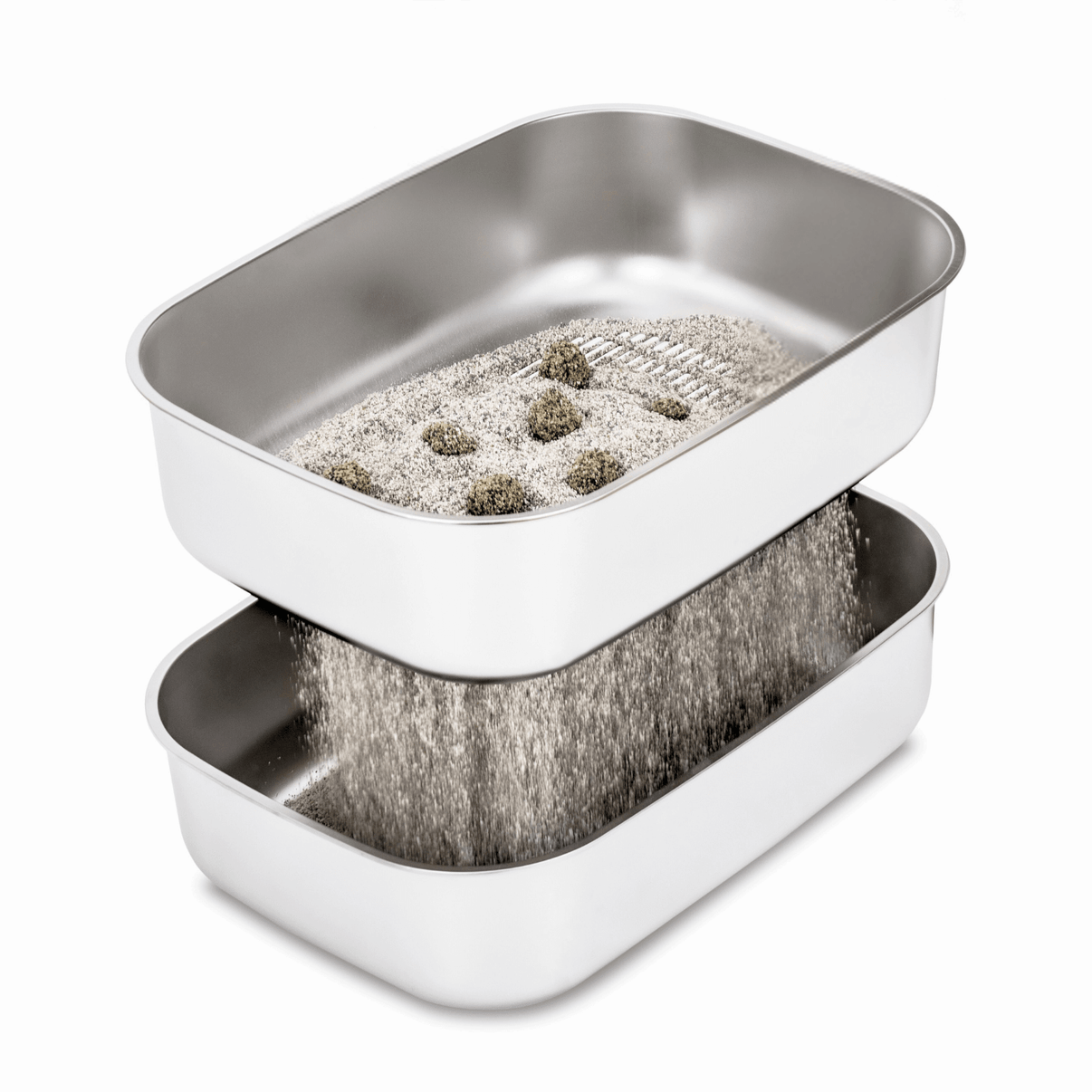
Say goodbye to scooping! Enjoy an easy 3-second cleanup with our XL Stainless Steel Sifting Litter Box, designed for durability and odor resistance. Perfect for multi-cat homes and backed by a money-back guarantee.
Evaluating BPA-Free Plastic and Other Materials
BPA-free plastics are often marketed as a safer alternative to standard plastic litter boxes because they reduce chemical exposure associated with bisphenol A. However, despite this advantage, BPA-free plastics still share many of the same drawbacks as traditional plastics, particularly their porous nature. These tiny pores and scratches that develop over time continue to harbor bacteria and odors, making regular monitoring and cleaning essential to maintain hygiene and protect your cat’s health.
On the other hand, ceramic and glass litter boxes offer a smooth, non-porous surface that resists bacterial buildup and odor retention far better than plastics. Their durability, however, is limited since these materials can easily crack or break if dropped or knocked over, making them best suited for indoor, single-cat environments where handling is gentle. Below is a quick summary of common litter box materials to help you evaluate the best option for your feline friend:
| Material | Bacterial Resistance | Durability | Odor Retention | Recommended Use |
|---|---|---|---|---|
| Plastic (Standard) | Low – porous, scratches trap bacteria | Medium – scratches over time | High | Not recommended long-term |
| BPA-Free Plastic | Moderate – less chemical risk but porous | Medium | Moderate | Better than standard plastic, monitor regularly |
| Stainless Steel | High – non-porous, easily sanitized | High | Low | Best for health and durability |
| Ceramic/Glass | High – smooth, non-porous | Low – fragile | Low | Good for indoor single-cat use |
For cat owners prioritizing long-term hygiene and durability, stainless steel remains the top choice. For those seeking alternative non-plastic options, ceramic or glass can work well in controlled environments but require careful handling. Learn more about selecting the BPA free litter box options available and how they fit into your cat care routine.
Best Practices for Cleaning and Maintaining Litter Boxes
A consistent cleaning routine is essential for reducing microbial buildup and protecting your cat's health. Cat care experts recommend a simple yet effective multi-step process for weekly deep cleans. First, empty all the old litter and rinse the box with hot water. Next, scrub the interior using a soft cloth or sponge with a mild, pet-safe soap, making sure to avoid abrasive cleaners that create new scratches for bacteria to hide in. Finally, rinse thoroughly and allow the box to air dry completely before refilling with fresh litter, as any remaining moisture can encourage new bacterial growth.
After cleaning, it’s vital to dry the litter box completely before adding fresh litter. Moist environments promote bacterial growth, so proper drying acts as a key preventive step in maintaining hygiene. Cat care experts recommend rinsing with warm water, using gentle soap if needed, then air drying or wiping with a clean towel. This simple but effective routine helps keep litter boxes safer and more inviting, supporting your cat’s wellbeing and reducing health risks over time. For further guidance, see our detailed guide on how to clean a litter box safely.
Understanding Cat Behavior Related to Litter Box Hygiene
Cats are highly sensitive animals with a keen sense of smell and delicate respiratory systems, which makes them particularly intolerant to dirty or odorous litter boxes. When a litter box retains unpleasant smells or harbors bacteria, cats often respond by avoiding the area altogether. This aversion is not only a behavior driven by discomfort but also an instinct to steer clear of unsanitary environments that could threaten their health. As a result, cats may begin eliminating outside the box, leading to frustration for both the pet and their owner.
The stress caused by these hygiene-related avoidance behaviors impacts not only the cat but also the human caregivers. For cats, rejection of a litter box can signal underlying health issues or anxiety, potentially escalating to urinary tract problems or chronic stress. Owners, on the other hand, may feel guilt or helplessness as they witness their pets’ discomfort and struggle with unexpected messes. Maintaining a clean, odor-free litter box is therefore crucial, as it promotes a respectful environment that supports the emotional well-being of cats and strengthens the bond between pets and their owners.
Why Your Cat May Avoid the Litter Box
Cats possess extremely sensitive noses and delicate respiratory systems, which makes them highly intolerant of environmental odors and airborne irritants. A litter box with strong ammonia odors from urine buildup creates an uncomfortable atmosphere that can directly harm their respiratory health. This aversion is deeply instinctual; in the wild, clean elimination sites reduce the risk of attracting predators and parasites. Consequently, cats are hardwired to reject unsanitary conditions, often leading them to avoid the box entirely.
As a result of this aversion, cats may refuse to use their litter box altogether and resort to inappropriate urination elsewhere in the home. This behavior often signals stress or discomfort caused by the poor hygiene of the box, which can escalate into more serious issues like urinary tract infections or behavioral problems. Understanding these behavioral cues is crucial to maintaining your cat's well-being and ensuring they feel safe and comfortable when using their litter box. For a deeper exploration, see Understanding Feline Behavior: Why Your Cat May Avoid the Litter Box.
The Psychological Toll on Cats and Their Owners
Dirty or smelly litter boxes can significantly increase anxiety and stress in cats, as these animals are highly sensitive to their environment and rely on clean spaces for comfort and security. Prolonged exposure to unpleasant odors and unsanitary conditions may also elevate the risk of health problems, compounding their distress. This discomfort often manifests in behavioral changes such as avoidance or inappropriate elimination, which can further affect their well-being.
For owners, the challenges of managing a persistently unclean litter box often lead to feelings of frustration and guilt, impacting their motivation and consistency in providing care. These emotional burdens can undermine hygiene efforts, creating a feedback loop that affects both pet and owner. Understanding The Psychological Toll of a Dirty Litter Box is crucial for breaking this cycle. Prioritizing regular cleaning supports the emotional well-being of cats and their humans, fostering a harmonious living environment.
Conclusion
- Plastic litter boxes harbor harmful bacteria and parasites due to their porous, scratched surfaces.
- Ammonia buildup from retained odors in plastic affects cats' respiratory health and behavior.
- Switching to stainless steel or other non-porous materials greatly reduces health risks.
- Consistent, careful cleaning routines are essential to protect cats from infections.
- Understanding feline behavior helps interpret litter box avoidance, improving well-being for both cats and owners.
By prioritizing your cat’s hygiene, you invest in their long-term health and comfort. Consider upgrading to a stainless steel model and adopting a rigorous cleaning schedule to create a safer environment for your feline companion.
Frequently Asked Questions
Can cats get sick from a dirty litter box?
Yes, cats can definitely get sick from a dirty litter box, as it becomes a breeding ground for harmful pathogens. The porous surfaces and scratches in plastic boxes are ideal hiding spots for bacteria like E. coli and parasites like Toxoplasma gondii, which can cause gastrointestinal issues, urinary tract infections (UTIs), and other systemic illnesses. When a cat uses a contaminated box, they can ingest these germs during grooming or absorb them through small cuts on their paws. Beyond direct infection, the buildup of waste produces high levels of ammonia gas. This potent irritant can damage a cat's sensitive respiratory system, leading to chronic coughing, sneezing, or even asthma-like symptoms. This discomfort often leads to litter box aversion, further compounding health risks if the cat begins holding its urine for too long.
How do bacteria build up in a plastic litter box?
Bacteria build up in a plastic litter box through a two-fold process involving the material’s degradation and its inherent properties. First, routine use—including a cat's digging and an owner's scooping—creates thousands of microscopic scratches on the plastic surface. These tiny grooves and crevices become perfect shelters for bacteria, fecal matter, and urine residue, protecting them from being washed away during cleaning. Second, plastic is a porous material, meaning it contains microscopic pores that can absorb and trap moisture and odor-causing bacteria. This combination of scratches and porosity creates a persistent biofilm that is nearly impossible to fully sanitize with standard cleaning methods, allowing pathogens to multiply continuously.
Is stainless steel the safest material for a litter box?
Stainless steel is widely considered the safest and most hygienic material for a cat litter box by veterinarians. Its primary advantage is its non-porous surface, which does not harbor bacteria or absorb odors like plastic does. Without microscopic scratches or pores for germs to hide in, stainless steel can be sanitized completely, significantly reducing the risk of your cat being exposed to harmful pathogens. Furthermore, it does not retain the pungent smell of ammonia from urine, which protects a cat’s respiratory system from irritation. Its exceptional durability also means it will not degrade over time, ensuring it remains a safe, easy-to-clean option for the entire life of your pet.
Furrbby in the Spotlight: Our 2026 Hygiene Collection Makes Waves Across Major Media Outlets
Arthritis & The Potty: Why Low Entry + High Walls = Comfort
The "Flip" Test: Why Stainless Steel Boxes Don't Tip Over
The 30-Day "Peace of Mind" Guarantee: What If My Cat Hates It?