


![Stop Buying Liners: Why Stainless Steel is the Ultimate [Non-Stick Solution]](http://www.furrbby.com/cdn/shop/articles/Furrbby_image_original_380202.png?v=1769502793&width=360)
Stop Buying Liners: Why Stainless Steel is the Ultimate [Non-Stick Solution]
by Taylor Claier on Jan 06, 2026
猫砂盆内衬是一种需要经常使用的运营成本,其目的是为了解决一个根本性的问题——塑料表面多孔且容易被猫抓伤。这些一次性薄膜加起来成本不菲,每个猫砂盆每年花费在 20 到 45 美元之间。然而,猫爪很容易撕破薄薄的聚乙烯薄膜,导致渗漏和弄脏,而这正是它们原本想要防止的。
本分析比较了塑料衬里系统和不锈钢解决方案的总拥有成本。我们将考察材料规格、经常性支出和耐久性问题,这些问题使得衬里成为一项糟糕的投资。通过评估表面孔隙率和五年投资回报率等因素,本文解释了为什么不锈钢无需衬里,并能降低长期运营成本。
介绍
猫砂盆内衬是一种一次性塑料薄膜,放置在猫砂盆内形成屏障,防止粪便粘附。这样一来,清理起来就方便多了,只需提起袋子扔掉即可。内衬的厚度从0.06毫米的薄片到2.4毫米的耐用防撕裂片不等。
猫砂盆衬垫的核心功能
内衬是一种一次性薄膜,它起到隔离垃圾和猫砂盆内壁的作用。其主要目的是防止液体和固体垃圾直接粘附在猫砂盆内壁上,从而减少刮擦和深度清洁的需要。清洁时,只需提起内衬的边缘,将整个袋子连同里面的垃圾一起提起,扎紧袋口,然后丢弃即可。这种方法大大简化了维护过程。
衬里材料及厚度变化
衬垫通常由聚乙烯 (PE) 塑料制成。一些品牌提供由 100% 回收塑料制成或采用可生物降解配方的替代产品。影响性能的最关键技术指标是材料厚度。衬垫厚度差异很大,从轻型 60 微米(0.06 毫米)薄膜到重型、抗撕裂型(厚度从 1.01 毫米到 2.4 毫米不等)。
耐久性并非由正式的ASTM或ISO抗穿刺标准来衡量,而是取决于制造商开发的专有技术。这些技术可能包括三层复合结构以增强强度,或添加诸如Scratch-Gard之类的特殊添加剂,旨在防止猫爪造成的撕裂和渗漏。

影响班轮成本的关键因素
猫砂盆衬垫的价格主要受材料厚度、尺寸以及抗菌处理等特殊功能的影响。加厚型衬垫价格更高,标准款售价13.99美元,而更大尺寸、特殊设计的衬垫价格则超过20美元。
材质质量和特殊功能
材料厚度是影响成本的主要因素。许多重型垃圾袋的厚度都设定为 60 微米,以更好地抵抗垃圾清运过程中的撕裂和穿刺。更厚、更耐用的塑料生产成本更高,这也会反映在零售价格上。
特殊功能也会增加成本。例如,添加了抗菌处理的塑料内衬制造成本更高。塑料本身的类型也是一个因素,用于盛放垃圾的硬质瓦楞塑料结构的价格肯定比普通塑料袋高。
按班轮类型划分的价格基准
某些大型或高档猫砂盆(例如尺寸为 23 英寸 x 17 英寸的猫砂盆)的替换内衬售价在 20 美元到 21 美元之间。这些内衬通常是为特定形状的猫砂盆设计的,并非简单的袋子。
相比之下,适用于标准尺寸猫砂盆的普通内衬,例如适合 Petmate Cleanstep 型号的内衬,价格通常在 13.99 美元左右。这些内衬更容易买到,而且产量更大。
自动猫砂盆的内衬是一笔持续的开支。它们是定制设计的,可以放入密封的垃圾抽屉中,并适配系统的机械耙或旋转滚筒,因此是与该设备配套的专用产品。
成本等级:年度班轮支出
到2026年,预计每个家庭每年在猫砂盆衬垫上的花费将在20美元到45美元之间。这笔费用是猫砂主支出之外的额外开支,具体金额取决于衬垫的厚度(标准款为0.5密耳,加厚款为2.4密耳)以及每包的购买数量。
经常性衬里成本细分
猫砂盆内衬的年均成本通常在 20 到 45 美元之间,如果批量购买,例如 60 个装。这笔费用是在猫砂本身成本之外的额外支出,猫砂的价格从每磅 0.75 美元(结团粘土猫砂)到每磅 3.75 美元(水晶猫砂)不等。由于内衬需要每月更换,并且每次更换猫砂时都需要更换,因此对于使用塑料猫砂盆的用户来说,这是一笔持续的运营成本。
衬里规格和材料影响
标准猫砂盆垫通常厚约0.5密耳,尺寸适用于大型猫砂盆,通常约为37英寸×18英寸。对于喜欢抓挠的猫咪,市面上也有加厚型猫砂盆垫,厚度可达2.4密耳,更耐撕裂。这些特制猫砂盆垫可能采用可氧化生物降解塑料等材料。抽绳封口等设计也很常见,方便实用,即使价格较高,也促使人们购买猫砂盆垫。
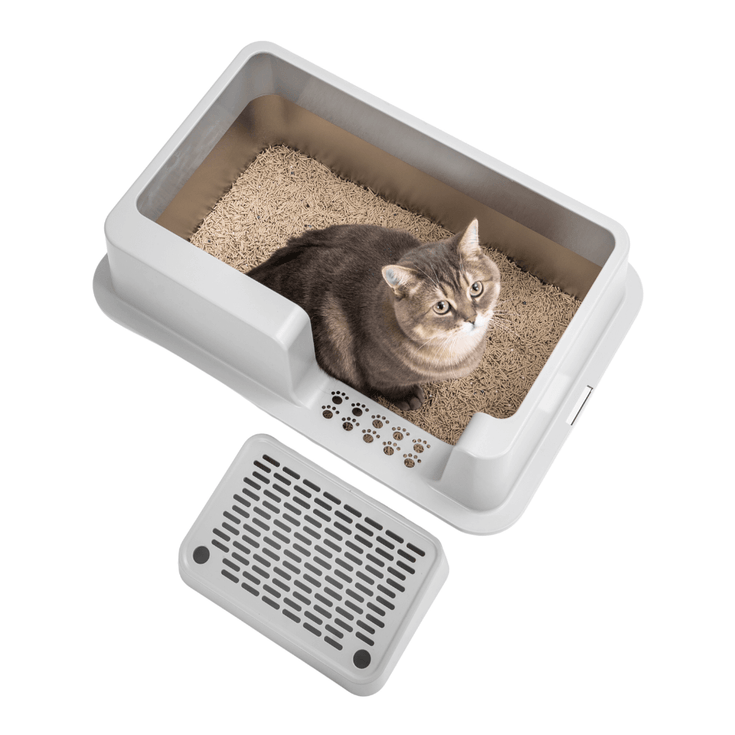
为什么钢材不需要衬里
不锈钢固有的特性,例如无孔表面和铬含量带来的高耐腐蚀性(符合 ASTM A240/A240M 标准),可防止异味吸收和垃圾粘附。这种耐用性避免了塑料垃圾盒常见的划痕和裂纹,从而方便直接清洗。
| 特征 | 不锈钢 | 塑料 |
|---|---|---|
| 表面性质 | 无孔且光滑;防止污垢粘附和异味吸收。 | 多孔且柔软;会吸收异味,容易被刮伤,从而滋生细菌。 |
| 耐久性 | 具有很高的耐腐蚀性(含铬量≥10.5%)、抗裂性和抗翘曲性。 | 容易因废弃物和清洁化学品而产生污渍、开裂和损坏。 |
| 班轮依赖 | 专为无需内衬使用而设计;盒子本身就是永久屏障。 | 通常需要衬里(约 3 密耳聚乙烯)来保护表面和控制异味。 |
耐腐蚀性和表面硬度
304 和 316 等不锈钢合金经过专门设计,具有极高的耐用性。行业标准,例如 ASTM A240/A240M,要求这些材料至少含有 10.5% 的铬。这种元素会在钢材表面形成一层钝化氧化膜,该氧化膜具有自愈能力,能够保护尿液和湿气引起的锈蚀。由于金属本身就是保护屏障,因此无需使用一次性内衬来维持尿箱的结构完整性。
钢的硬度使其能够很好地抵抗猫爪或金属铲的刮擦和裂纹。塑料猫砂盆的内衬正是为了解决这个问题而设计的:刮擦会在塑料表面形成细小的凹槽,这些凹槽容易藏匿细菌并吸收异味。而钢的坚固表面不会出现这种情况,因此也就无需使用内衬了。
无孔表面,易于清洁
不锈钢的一大优势在于其无孔表面。与塑料不同,塑料会随着时间推移吸收液体和异味,而不锈钢表面则不会渗入尿液或细菌。粪便和结块的猫砂很容易从光滑的表面上滑落,因此清洁通常只需简单擦拭或冲洗即可。这一特性避免了其他材质容易产生的残留物堆积,从而防止异味残留。
不锈钢易于清洁的特性与塑料托盘形成鲜明对比。塑料垃圾桶通常需要使用3密耳厚的聚乙烯内衬来形成一次性保护层,隔开垃圾和多孔且易刮伤的表面。而不锈钢垃圾桶的设计初衷就是直接接触垃圾,因此无需使用内衬。
塑料袋的环境成本
塑料袋,包括猫砂袋,对环境的影响巨大。它们由化石燃料制成,使用时间仅几分钟,却能在垃圾填埋场中存在长达1000年之久,每年还会向海洋排放数百万吨垃圾。
短期应用解决长期问题
The production of plastic is deeply tied to non-renewable resources. Approximately 99% of all plastics are derived from fossil fuels, and the industry accounts for about 6% of global oil consumption. This resource-intensive process creates products that are often designed for immediate disposal.
A single-use plastic bag demonstrates a stark contrast between its utility and its environmental persistence. The average bag is used for only 12 minutes before it is thrown away. Once it enters a landfill, that same bag can take up to 1,000 years to degrade, contributing to a long-term waste problem for a moment of convenience.
Resource Drain and Global Pollution
The scale of plastic pollution is immense. An estimated 4 to 12 million metric tons of plastic enter the oceans each year, with a large portion originating from land-based sources. This waste harms marine ecosystems and breaks down into microplastics that contaminate the food chain.
Life cycle assessments show that while polyethylene bags have a lower initial climate impact at the production stage, their single-use model generates enormous amounts of waste. Switching to alternatives isn't always straightforward. For example, a paper bag must be reused between 20 and 30 times to match the lower production impact of one single-use plastic bag, highlighting the importance of reducing consumption altogether.
ROI Calculation (No Liners)
While a stainless steel litter box costs more initially ($60–$120 vs. plastic's $15–$30), its 5–10 year lifespan eliminates frequent replacement costs. Over five years, a steel box can save approximately $200 by cutting expenses on replacements, odor control products, and cleaning labor.
| Cost Metric | Plastic (5-Year Estimate) | Stainless Steel (5-Year Estimate) |
|---|---|---|
| Hardware Costs (Initial + Replacements) | $150 | $90 |
| Odor Control Products | $60 | $20 |
| Cleaning Labor (Estimated) | $150 | $50 |
| Total 5-Year Cost | ~$360 | ~$160 |
Initial Investment vs. Product Lifespan
Plastic litter boxes are inexpensive, typically costing between $15 and $30. Their low price comes with a significant drawback. The porous material scratches easily, creating microscopic grooves that trap bacteria and ammonia residues. This leads to persistent odors and hygiene issues, often forcing replacement every 6 to 12 months.
A stainless steel litter box represents a larger upfront investment, with prices ranging from $60 to $120. This initial cost is offset by exceptional durability. The non-porous, scratch-resistant surface does not harbor bacteria or absorb odors, giving it a functional service life of 5 to 10 years. This longevity transforms the litter box from a disposable item into a long-term asset, eliminating the costly cycle of frequent repurchasing.
Five-Year Total Cost of Ownership
Analyzing the total cost over five years reveals the financial benefit of stainless steel. A plastic box accumulates a total cost of around $360. This figure includes the initial purchase, four to five replacements, and higher spending on supplemental odor-control products and cleaning labor needed to manage its declining performance.
In contrast, the total five-year cost for a single stainless steel box is approximately $160. This results in a net saving of about $200 per box. The savings come from two main areas: reduced spending on odor-control additives (from $60 down to $20) and less cleaning labor (from $150 down to $50). By avoiding replacements and minimizing maintenance, a stainless steel box can lower long-term costs by up to 60% compared to its plastic counterpart.
Final Thoughts
Litter box liners exist to solve a problem that shouldn't exist in the first place: the flaws of a plastic pan. They act as a temporary shield against scratches and odors that plastic inevitably absorbs. A stainless steel box, by contrast, is engineered to be the permanent solution. Its naturally non-stick and durable surface eliminates the very reason liners were created, making them an unnecessary recurring expense.
Moving away from disposable liners and plastic boxes is more than just a change in supplies; it's an investment in a cleaner, more sustainable, and cost-effective system. While the initial cost of a steel box is higher, the long-term savings from eliminating liners and frequent replacements are significant. You get a solution that resists odors, simplifies cleaning, and reduces your environmental footprint—all while providing a more hygienic space for your cat.
Frequently Asked Questions
Do I need to use liners with a stainless steel box?
No, you do not need to use liners with a stainless steel litter box. Its smooth, non-porous surface is naturally hygienic and easy to clean without them.
Do litter box liners annoy cats?
Yes, veterinary authorities like the ASPCA report that most cats dislike litter box liners. The unnatural texture and crinkling sound can make them uncomfortable and contribute to litter box aversion.
Are litter box liners bad for the environment?
Yes, conventional litter box liners are single-use, non-biodegradable plastic bags. They contribute to the hundreds of millions of plastic bags found polluting U.S. roadways and waterways each year.
Why do cats shred litter box liners?
Cats shred liners because their claws easily puncture the thin plastic during normal digging. Many cats also dislike the texture and smell of the plastic, so they scratch at it more intensely, causing tears.
How much money do I save not using liners?
Not using liners can save you approximately $5-10 per month for each litter box. This comes from eliminating the recurring cost of buying liners for a durable stainless steel box that doesn't need them.
Is a stainless steel box easier to clean than a liner?
是的,不锈钢垃圾桶更容易清洁。它的无孔表面只需简单擦拭或冲洗即可,但内衬必须完全取出并丢弃,而且桶身本身也需要定期清洗。
The Psychology of Material: Do Cats Prefer Plastic or Steel?
Why $40 "Stainless" Pans Rust: The 304 vs. 201 Steel Difference
The "Twice-a-Day" Rule: Maintaining Hygiene for 2+ Cats
The "Cone of Shame" Challenge: Why You Need an Open Top XXL