


Litter Liners: Good or Bad for Stainless Steel Boxes?
by Taylor Claier on Nov 06, 2025
Stainless steel litter boxes are known for durability and easy cleaning. However, without protection, they can develop a metallic taste and odor, which affects the cleanliness of the box and the experience for both cats and owners. Litter liners, often made of food-safe, BPA-free materials, create a protective barrier that prevents waste from directly contacting the steel. This article explores the advantages and drawbacks of using litter liners in stainless steel boxes, offering insights to help you make an informed decision on their use.
While stainless steel is resistant to corrosion, it is not impervious to odors and tastes transferred by waste. Litter liners help maintain the box’s cleanliness and extend its lifespan by preventing waste from interacting directly with the metal. This article covers the materials, benefits, and potential downsides of using litter liners in stainless steel litter boxes, helping you choose the best option for your pet's needs.
This guide will clarify how litter liners affect stainless steel boxes, helping you decide if they fit your needs while highlighting best practices for selection and use.
Essentials to Know About Litter Liners for Stainless Steel Boxes
- Liners prevent metallic taste and odors by acting as a barrier between waste and the steel surface.
- Choosing high-quality, BPA-free liners offers hygiene benefits but requires balancing ongoing costs and environmental impact.
Why Use Litter Liners in Stainless Steel Boxes?
Stainless steel litter boxes are valued for their durability and ease of cleaning, but when left unprotected, they can develop a metallic taste and odor due to waste interacting directly with the steel surface. This interaction triggers chemical reactions, leading to rust and unwanted smells. Despite stainless steel’s corrosion resistance, it is not completely immune to odor absorption, especially when exposed to waste over time. These odors undermine the box's cleanliness and can create hygiene concerns for both cats and their owners.
Litter liners provide an effective solution by forming a protective barrier between waste and the stainless steel surface. Made from food-safe materials like BPA-free resins and epoxy coatings, liners prevent direct contact with waste, which helps reduce odor and taste transfer. They simplify cleaning by containing waste and reducing residue buildup on the steel surface, which extends the lifespan of the box and enhances the user experience for both cats and their owners.
Odor and Taste Transfer Issues in Stainless Steel
When waste contacts unlined stainless steel, chemical reactions occur, leading to metallic tastes and rusty odors. While stainless steel is resistant to corrosion, certain compounds in cat urine and feces can react with trace metals in the steel, causing noticeable taste and smell changes. Over time, these interactions result in lingering odors that are challenging to remove through standard cleaning methods.
These odor and taste transfers pose hygiene concerns for both cats and owners. Cats may find the altered scent unpleasant, which can discourage litter box use and increase stress. Additionally, owners may struggle to maintain a clean and fresh environment. Stainless steel’s resistance to corrosion does not prevent these smells from permeating, as it cannot create an impermeable barrier against organic waste compounds. For more detailed guidance, exploring stainless steel litter box hygiene can help owners implement effective cleaning and odor management strategies.
How Liners Create a Protective Barrier
Modern litter liners for stainless steel boxes are made from materials such as BPA-free resins, epoxy coatings, and glass-based composites. These materials are chosen for their non-reactive, food-grade properties, ensuring they do not leach harmful chemicals when in contact with cat waste. Their durability reduces the risk of tears and punctures during use, providing long-lasting protection.
By lining the interior of a stainless steel litter box with these materials, liners prevent direct contact between waste and the steel surface, blocking the transfer of metallic tastes and odors. Choosing food-grade, durable liners preserves hygiene and minimizes health risks by reducing exposure to potentially harmful residues. To explore available options, check our guide on types of litter liners.
Pros and Cons of Using Litter Liners for Stainless Steel Boxes
Litter liners for stainless steel boxes provide significant advantages, particularly in hygiene and maintenance. They control odors by preventing waste from contacting the metal surface, reducing the transfer of metallic tastes and smells. Liners also protect the box from corrosion and staining, making cleaning easier, which is especially valuable in multi-cat households where sanitation is critical.
However, there are notable drawbacks. High-quality liners incur recurring costs, which can add up over time. Additionally, lower-quality liners may tear easily, leading to messes. Environmental concerns are also important, as plastic liners contribute to landfill waste, though biodegradable options are becoming more available. Furthermore, some cats may resist the texture or feel of liners, affecting their comfort and litter box usage. Balancing these factors allows owners to make informed decisions based on budget, environmental values, and their pets’ preferences.
Advantages of Litter Liners
Litter liners provide several advantages, including improved odor control. They form a barrier between waste and the stainless steel surface, effectively preventing metallic tastes and unpleasant smells. This results in a fresher environment for both cats and their owners. Additionally, liners help extend the lifespan of the box by reducing direct exposure to waste, which can cause corrosion and staining despite stainless steel’s resistance. This protective layer maintains the box’s sleek appearance and functionality for longer.
Another significant benefit is easier cleaning. Liners reduce residue buildup on the box, making routine maintenance quicker and more efficient. This is especially beneficial in multi-cat households, where litter boxes experience heavy use. For example, in a household with three cats, using litter liners has been shown to cut cleaning time in half while significantly reducing odor and bacterial buildup. This not only improves sanitary conditions but also enhances the comfort of cats sharing the space. For more insights into the benefits of litter liners, visit our related article on the benefits of litter liners.
Upgrade Your Cat's Comfort
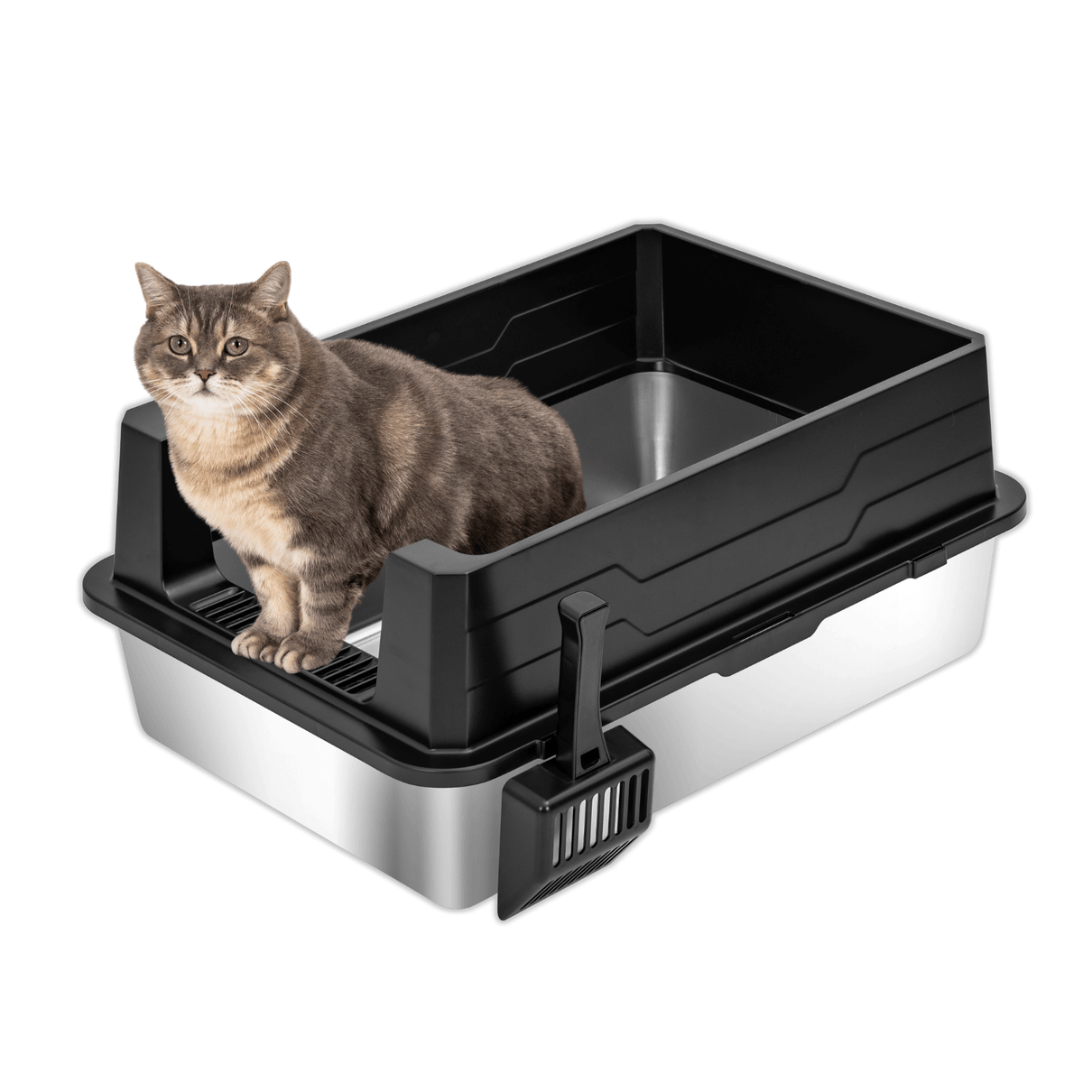
Our XXL Front Entry Stainless Steel Litter Box is perfect for larger breeds or multi-cat homes. Enjoy effortless cleaning, an anti-tracking design, and a mess-free environment, all backed by a money-back guarantee.
Disadvantages of Litter Liners
One major drawback of using litter liners is the ongoing cost. High-quality liners need to be replaced regularly to maintain their protective and hygienic benefits, which can add up over time. Additionally, liners are susceptible to tearing or puncturing, which can lead to messes if waste leaks through. This requires more frequent cleanups.
Environmental concerns are significant as many liners are made of disposable plastics that contribute to landfill waste. Biodegradable options are increasingly available as an eco-friendly alternative. Some cats may also resist the texture or feel of liners, affecting their comfort and use of the box. Selecting liners that better mimic the texture of natural litter can help alleviate this issue, but it's still a factor to consider when deciding whether liners are suitable for your pet.
Choosing and Using the Right Litter Liners
Choosing the right litter liner involves understanding the importance of material safety and durability. High-quality liners made from BPA-free, food-grade resins, epoxy coatings, or glass-based materials offer effective barriers that prevent odor and taste transfer while minimizing chemical exposure risks to your cat. Cheaper or older liners may leach toxins over time, so it’s best to opt for certified safe products to ensure both your pet’s health and the longevity of your litter box.
Proper installation and maintenance are key to maximizing the benefits of litter liners and reducing common drawbacks like tearing. To secure the liner firmly, smooth it inside the stainless steel box, ensuring edges are tucked without overstretching. Inspect the liners regularly for any damage and replace them at appropriate intervals—usually every week or two—depending on usage. Additionally, periodically clean the box to remove buildup beneath the liner, and consider reusable liners as a more eco-friendly alternative.
Material Selection and Safety Considerations
When selecting litter liners for stainless steel boxes, prioritize BPA-free and food-grade materials to avoid exposing cats to harmful toxins. Many lower-quality liners, especially older ones, contain plastics that may leach chemicals over time, posing health risks. Modern liners are designed with inert materials such as BPA-free resins, epoxy coatings, and glass-based liners to provide a non-toxic barrier for pets.
These advanced materials protect both the stainless steel surface and your cat’s health. BPA-free resins offer durability and flexibility, epoxy coatings create a smooth, chemical-resistant layer, and glass liners provide a hygienic option with minimal odor absorption. Choosing these safer, high-quality liners ensures better hygiene without compromising long-term health, and supports eco-friendlier options such as biodegradable liners. For more details on selecting safe and sustainable options, check our guide on safe litter liner materials.
Tips for Installation and Maintenance
To securely line a stainless steel box and minimize tearing, select durable, tear-resistant liners that fit snugly inside. Smooth out any wrinkles or folds, especially around the corners, where punctures are more likely to occur. Liners with reinforced edges or reusable silicone liners reduce the chance of rips compared to disposable plastic options.
Replace litter liners regularly—typically every one to two weeks—depending on the number of cats and the amount of litter used. Inspect the liner during routine cleaning and discard any that show signs of damage to prevent messes. Even with liners, periodically clean the stainless steel box itself to prevent buildup beneath the liner and maintain a hygienic environment. Choosing between disposable and reusable liners involves weighing convenience versus environmental impact: disposable liners offer easy replacements but contribute to waste, while reusable liners provide long-term durability with greater eco-friendliness.
Learn more about using litter liners effectively to ensure your cat’s comfort and cleaning efficiency.
Upgrade Your Cat's Comfort
Our XXL Front Entry Stainless Steel Litter Box is perfect for larger breeds or multi-cat homes. Enjoy effortless cleaning, an anti-tracking design, and a mess-free environment, all backed by a money-back guarantee.
Litter Liners in the Context of Overall Litter Box Maintenance
Litter liners complement a comprehensive stainless steel litter box maintenance routine by controlling odors and minimizing waste contact with the box surface. While liners reduce the need for frequent deep cleaning, they should not replace regular scooping and washing practices. Combined with a cleaning schedule, liners help maintain a consistently hygienic, odor-free environment that benefits both cats and owners.
However, liners may be unnecessary for owners who are diligent about daily scooping and regular deep cleanings, especially with high-quality stainless steel boxes resistant to staining and odors. In these cases, the box can remain sanitary without liners, particularly for single-cat households with moderate use. Ultimately, the use of liners depends on personal cleaning habits, household size, and convenience preferences within a well-rounded litter box care routine.
Cleaning Stainless Steel Boxes With and Without Liners
Cleaning a stainless steel litter box with liners simplifies the process by containing waste and litter. This reduces direct contact between the box surface and waste, meaning owners spend less time scrubbing residue. However, liners shift cleaning effort rather than eliminate it, as the box still requires periodic washing. Liner usage can streamline the process, but it doesn’t remove the need for regular cleaning.
The Furrbby Difference: Built to Last, Designed to Save You Money
Perfect Memorial Day Upgrade for Multi-Cat Homes
Planned Obsolescence vs. Heirloom Quality: Why Steel Wins
Memorial Day Sale: Why Now Is The Best Time To Upgrade Your Cat’s Litter Setup