


![Is Your Plastic Litter Box Causing [Feline Acne]? The Hidden Health Risks](http://www.furrbby.com/cdn/shop/articles/blog_61.png?v=1772436577&width=360)
Is Your Plastic Litter Box Causing [Feline Acne]? The Hidden Health Risks
by Laura Jane on Feb 12, 2026
Many cat owners know to swap plastic food bowls for stainless steel to help prevent feline chin acne. But what about the largest plastic item a cat uses daily? Scratches in a plastic litter box create a porous surface that traps bacteria, and with secondary infections found in nearly 45% of feline acne cases, the material of your cat's equipment deserves a closer look.
This article breaks down the science behind why scratched plastic is a health risk. We will examine how these surfaces can harbor bacteria linked to UTIs and leach chemical additives like PBDEs, which can be found in cats at levels up to 23 times higher than in humans. We'll also compare material safety to help you make informed decisions for better feline health.

Why Your Choice of Litter Box Material Matters
The material your cat's litter box is made from directly impacts their health and willingness to use it. Porous materials like plastic can develop scratches that trap bacteria and absorb odors, potentially leading to skin irritation and urinary issues. A non-porous, durable material ensures a cleaner, more inviting environment that aligns with a cat's natural instincts.
Instincts, Comfort, and Consistent Use
A cat's preference for a specific littering environment is deeply rooted in instinct. Descended from desert animals, they are naturally drawn to clean, sand-like surfaces where they can bury their waste. If the box material feels uncomfortable on their paws or holds onto unpleasant odors, it creates stress and can lead them to avoid the box entirely. A surface that is easy to clean and does not retain smells supports a cat's innate need for a sanitary space, which encourages consistent and reliable use.
Porosity, Scratches, and Bacterial Growth
Most common litter boxes are made from plastic, which is a porous material. Over time, plastic absorbs urine odors that persist even after thorough washing. As a cat digs, its claws create tiny micro-scratches in the plastic. These scratches become breeding grounds for bacteria, compromising the hygiene of the litter box. This bacterial buildup can contribute to health problems, including skin irritations like feline chin acne and unsanitary conditions that negatively affect a cat's urinary health.
The 3 Key Health Risks of Scratched Plastic
Scratched plastic litter boxes pose significant health risks by accelerating the release of toxic additives like BPA and phthalates. These deep grooves also shed microplastics and can harbor bacteria, creating a hazardous environment that can lead to chemical exposure, endocrine disruption, and other systemic health problems for your cat.
How Physical Damage Compromises Plastic Safety
When plastic is subjected to physical wear, it develops scratches, micro-cracks, and internal stress that weaken its molecular structure. This damage dramatically increases the plastic’s effective surface area, which accelerates the migration, or leaching, of chemical additives. Substances like bisphenol A (BPA) and phthalates are not permanently bound to the plastic polymer, so they escape more readily from a compromised surface. This physical breakdown also causes the plastic to shed tiny micro- and nanoplastic particles, which can be ingested by your cat during grooming or inhaled as airborne dust.
The Toxicological Impact of Leached Chemicals
The Washington State Department of Health explicitly warns that plastics containing BPA and phthalates can become toxic when scratched. Scientific research supports this, showing that leached chemicals and microplastics can induce oxidative stress, immune dysregulation, and endocrine disruption. For example, some regulatory tests found that over 10% of polycarbonate containers—a common plastic type—leached BPA at levels exceeding the former EU specific migration limit of 0.05 mg/kg. Long-term, low-dose exposure to these substances is associated with severe health consequences, including reproductive toxicity, developmental abnormalities, and a greater risk of cancer.
Factor 1: Feline Chin Acne & Bacteria
Feline chin acne involves clogged hair follicles that create an ideal environment for bacteria, like Staphylococcus, to thrive. This often leads to secondary infections, found in nearly half of clinical cases, turning blackheads into painful pustules that require specific antibacterial treatments.
Feline chin acne is fundamentally a follicular disorder. It begins when excess keratin plugs the hair follicles on a cat's chin, creating blackheads, also known as comedones. These clogged follicles become a fertile breeding ground for bacteria, which can lead to complications. When bacteria colonize these blocked pores, a secondary infection often develops, transforming a simple cosmetic issue into a painful medical condition characterized by inflammation and pustules.
| Common Pathogens | Diagnostic Method | Treatment Protocol |
|---|---|---|
| Coagulase-positive Staphylococcus & alpha-hemolytic Streptococcus | Skin cytology showing intracellular cocci with neutrophils. | Topical (mupirocin, chlorhexidine) for mild cases; systemic antibiotics (amoxicillin-clavulanate) for severe cases. |
From Clogged Pores to Secondary Bacterial Infection
The transition from simple comedones to an active infection is a key feature of feline chin acne. The blocked follicles trap sebum and keratin, creating an oxygen-poor, nutrient-rich environment where bacteria can multiply. Clinical studies show that bacteria are isolated in 45% of feline acne cases, confirming that secondary infection is a frequent complication. The most common culprits are coagulase-positive Staphylococcus and alpha-hemolytic Streptococcus. This bacterial overgrowth is what turns non-inflamed blackheads into infected pustules and furuncles, which can be painful for the cat.
Identifying and Managing Bacterial Complications
Veterinarians diagnose bacterial involvement by performing skin cytology. This simple test involves examining a sample from the chin under a microscope to look for intracellular cocci (bacteria inside immune cells), which confirms an active infection. For localized secondary infections, topical treatments like 2% mupirocin ointment or antiseptic chlorhexidine washes are effective at controlling the bacterial population. If the infection is deep, severe, or widespread, a veterinarian will prescribe systemic antibiotics, such as amoxicillin-clavulanate or clindamycin, to resolve the infection from the inside out. Treatment choice is often guided by culture and sensitivity results to ensure the antibiotic is effective against the specific bacteria present.
The Last Litter Box You'll Ever Need
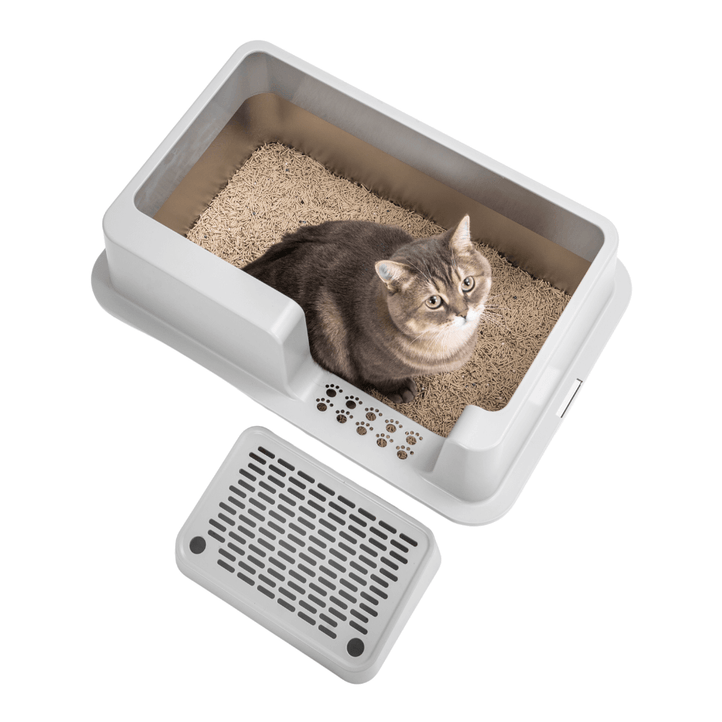
Factor 2: UTIs and Sanitary Environments
A dirty or scratched litter box can harbor bacteria like E. coli, the leading cause of feline UTIs. These pathogens can ascend the urinary tract, causing painful infections. Maintaining a clean, non-porous litter surface is a critical part of environmental management to prevent this.
How Contamination Leads to Ascending Infections
A sanitary litter box is a critical defense against urinary tract infections. The most common bacterial pathogen in feline UTIs is Escherichia coli, a bacterium that thrives in unsanitary, feces-contaminated environments. Infections often occur through an "ascending" pathway, where bacteria from the litter area travel up the cat's urinary tract to the bladder. Poor litter box hygiene is a significant risk factor for Feline Lower Urinary Tract Disease (FLUTD) and recurring infections. Clinical data identifies a cat's own skin, rectum, and vagina as vectors for transferring these bacteria from the contaminated environment into the urinary system.
Environmental Management to Reduce UTI Risk
Veterinarians recommend a strategy called Multimodal Environmental Modification (MEMO) to create a low-stress, sanitary environment. Studies show that implementing MEMO can significantly reduce lower urinary tract signs in cats after 10 months. The approach involves providing clean, separate resources for toileting, eating, and drinking to fulfill a cat's natural need for safety and resource separation. Proactive sanitation is vital because diagnosing and treating UTIs requires specific protocols. The International Society for Companion Animal Infectious Diseases (ISCAID) guidelines establish that a definitive diagnosis needs a quantitative urine culture, not just a basic analysis. If an infection becomes recurrent, it may require an extended antimicrobial treatment of 7 to 14 days, which underscores the importance of prevention through proper environmental hygiene.
Factor 3: Chemical Leaching
Chemical leaching is the release of trace chemicals from plastic materials when they come into contact with liquids. Scratches on a litter box increase surface area, and factors like temperature and contact time can accelerate the release of substances like organic chemicals or metal impurities, which are measured using standardized tests.
How Plastics Can Release Trace Chemicals
Plastic materials are not entirely inert and can release trace chemicals into their environment. For example, EPA documentation shows that common polymers like PVC are vulnerable to leaching organic chemicals when they are in contact with liquids. Even materials specifically approved for contact with drinking water can release substances. Studies on epoxy-lined pipes found they released metals like arsenic and chromium at concentrations reaching 10–20% of their Maximum Contaminant Levels (MCLs). This shows that even engineered polymer coatings can leach small but measurable amounts of chemicals.
Factors and Standards Governing Leaching
Several factors directly influence the rate of chemical leaching from a plastic surface. These include the duration of contact, temperature, the pH of contacting liquids like urine or cleaners, and the material's surface area-to-volume ratio. Regulatory agencies use standardized frameworks to quantify this process. The EPA’s Leaching Environmental Assessment Framework (LEAF), which includes tests like Method 1313, measures how pH affects contaminant release. Other procedures, like the Synthetic Precipitation Leaching Procedure (SPLP or Method 1312), use a controlled liquid-to-solid ratio, often 20:1, to measure the concentration of released contaminants in milligrams per liter (mg/L).
Quick Comparison of Materials for Health
Plastic bowls have porous surfaces with micro-scratches that trap bacteria, often leading to feline chin acne. Non-porous alternatives like stainless steel, ceramic, and glass are much easier to keep sanitary. Switching has been shown to reduce acne cases by 60%, making material choice a key factor in prevention.
| Material | Surface Property | Health Impact (Chin Acne) |
|---|---|---|
| Plastic | Porous; develops microscopic scratches | High risk; traps bacteria, leading to biofilm and contact allergies. |
| Stainless Steel, Ceramic, & Glass | Non-porous; smooth and durable | Low risk; easy to sanitize, reducing acne cases by up to 60%. |
Plastic: Porosity and Bacterial Growth
The surface of a plastic bowl is not as smooth as it appears. It's naturally porous and develops tiny, microscopic scratches from regular use and cleaning. These small crevices become traps for food particles, oils, and saliva. This creates a perfect breeding ground for bacteria to form a resilient layer called a biofilm. When a cat’s chin repeatedly touches this contaminated surface, it can trigger contact allergies and is a primary cause of feline chin acne.
Non-Porous Materials: Data on Healthier Alternatives
Materials like stainless steel, ceramic, and glass offer a much healthier alternative because their surfaces are smooth and non-porous. They do not have the micro-scratches that harbor bacteria. A clinical study of 74 cats found a 60% reduction in feline acne cases after they switched from plastic to non-porous bowls. These materials are simpler to clean and sanitize effectively, which helps you maintain a healthier environment for your cat.
Final Thoughts
The link between plastic and feline health is clear, but the specific risks depend on the product. While plastic food and water bowls are a primary cause of chin acne from trapped bacteria, a scratched plastic litter box creates a different set of problems. The deep grooves in an old litter box can harbor pathogens that lead to urinary tract infections and may also increase your cat's exposure to leached chemicals like BPA and phthalates.
Choosing safer materials is a direct way to support your cat's well-being. Switching from plastic to stainless steel or ceramic bowls is an effective step to reduce the risk of chin acne. For the litter box, the priority is hygiene. Regularly replacing any plastic box that becomes heavily scratched, or choosing a more durable, non-porous material, helps maintain a cleaner and safer environment for your cat.

Frequently Asked Questions
Can a dirty litter box cause chin acne in cats?
No, veterinary sources do not identify a dirty litter box as a direct cause. Feline chin acne comes from clogged hair follicles. The main contributing factors are poor grooming habits, allergic reactions, and bacteria building up on plastic food and water bowls.
What materials are linked to feline acne?
Plastic is the material most often linked to feline acne. Scratches and pores in plastic bowls can trap bacteria, which contributes to infections on a cat's chin. This is why many vets recommend switching to non-porous materials like stainless steel or glazed ceramic for food and water bowls.
Is stainless steel a better material for cats with acne?
Yes, stainless steel is a better choice for cats prone to chin acne. Food-grade stainless steel, such as type 304 or 18/8, is non-porous and resists scratches, which helps prevent bacteria from building up. It is a common recommendation to replace plastic bowls with stainless steel or ceramic to reduce a key acne trigger.
Can changing from plastic bowls guarantee chin acne goes away?
Not always. While plastic bowls are a known risk factor, changing them is not a guaranteed cure. In one study of 74 cats, about 34% of them saw no improvement after their bowls were changed. This shows that while plastic is a major contributor, other factors can also be involved.
How do you treat chin acne potentially related to bowls?
Treatment focuses on hygiene. Switch from plastic to stainless steel or ceramic bowls and clean them daily. You can also wipe your cat’s chin daily with a soft cloth and warm water. For active breakouts, a vet might recommend a medicated shampoo. More serious infections could require oral antibiotics for 6-8 weeks.
Is plastic toxic to cats?
Plastic itself isn't considered toxic, but certain chemical additives can be a concern. Chemicals like phthalates, BPA, and flame retardants (PBDEs) can leach from plastic products. Studies have found that cats can have levels of these chemicals, like PBDEs, up to 23 times higher than the average human.
Furrbby in the Spotlight: Our 2026 Hygiene Collection Makes Waves Across Major Media Outlets
Arthritis & The Potty: Why Low Entry + High Walls = Comfort
The "Flip" Test: Why Stainless Steel Boxes Don't Tip Over
The 30-Day "Peace of Mind" Guarantee: What If My Cat Hates It?