


How to Reduce Cat Allergies with a Cleaner Litter Box
by Taylor Claier on Nov 03, 2025
Many cat owners who battle allergies face the challenge of balancing pet care with their own comfort. The litter box, often overlooked, plays a major role in triggering sneezes and watery eyes.
Dust mites and odor from dirty litter boxes can exacerbate allergic reactions for both cats and their owners. Understanding how to maintain a cleaner litter box and selecting the right litter can make a noticeable difference in managing symptoms. This article explains practical litter box hygiene methods and litter choices that help reduce cat allergies while keeping your feline friend comfortable.
Top Insights for Allergy-Sensitive Cat Owners
- Frequent cleaning of litter boxes, including daily waste removal and periodic full litter replacement, significantly cuts down allergen triggers.
- Choosing unscented, clumping litter and strategically placing litter mats offer practical ways to control litter dust and reduce allergens indoors.

Why Litter Box Cleanliness Matters for Cat Allergies
Maintaining a clean litter box is crucial for reducing cat allergies because dirty boxes become breeding grounds for dust mites, which are microscopic pests known to exacerbate allergic reactions. Dust mites thrive in the warm, humid environment created by soiled litter, feeding on organic matter such as dried urine and feces. Their presence increases the concentration of allergens in the air and on surfaces, triggering sneezing, itching, and respiratory discomfort in sensitive individuals.
Many people mistakenly believe that cat hair alone causes allergies, but it is actually the proteins found in cat dander, saliva, and waste that are the primary triggers. When litter boxes are neglected and not cleaned regularly, the accumulation of dust mites and bacteria intensifies odors and allergen exposure. Ensuring consistent hygiene by removing waste daily and cleaning the box thoroughly helps disrupt this cycle, reducing the allergen load and providing relief for allergy sufferers.
The Role of Dust Mites and Odors in Allergies
Dirty litter boxes provide an ideal environment for dust mites to thrive, as accumulated waste and moist litter foster their rapid growth. These microscopic pests exacerbate allergy symptoms by releasing proteins that trigger immune responses, leading to sneezing, itchy eyes, and respiratory irritation among sensitive individuals. Maintaining litter box cleanliness plays a critical role in minimizing dust mite populations and reducing these allergic reactions.
Persistent odors emanating from unclean litter also signal bacterial growth, which releases volatile compounds that can further irritate the respiratory systems of both cats and their owners. These odors often mask underlying allergen build-up and contribute to poor indoor air quality. For those interested in understanding cat allergens, addressing both dust mites and odor-causing bacteria in the litter box is essential to managing household allergy triggers effectively.
Effective Litter Box Cleaning Practices to Reduce Allergens
Maintaining a strict cleaning routine for your cat’s litter box is essential to minimizing allergens and protecting both your health and your cat’s comfort. Daily removal of waste prevents the buildup of dust mites and bacteria, which are common allergy triggers. It’s equally important to completely replace the litter and thoroughly wash the box with warm, soapy water at least twice a week or whenever you notice persistent odors. Opt for unscented, mild soap to avoid introducing irritants that can affect sensitive cats and allergy-prone owners alike.
In addition to frequent cleaning, using simple care techniques such as scrubbing the box’s corners and edges helps prevent bacterial growth that can worsen respiratory symptoms. Avoid harsh chemical cleaners or perfumed products, which, although they may mask odors, often exacerbate allergic reactions. By adopting a consistent, allergy-friendly cleaning schedule tailored to your cat’s habits, you reduce the airborne particles and odors linked to allergic responses, creating a healthier home environment for all.
Daily and Weekly Cleaning Routines
Maintaining a strict daily and weekly cleaning routine is crucial in reducing allergens associated with cat litter boxes. Removing feces every day prevents the buildup of dust mites and bacterial growth, which can intensify allergy symptoms for sensitive individuals. Additionally, completely changing the litter when unpleasant odors become noticeable—typically twice a week—helps to control the accumulation of allergens and keeps the environment fresh for both the cat and owner.
For cleaning, it’s best to use warm soapy water with a plain, unscented soap to thoroughly wash the litter box, as scented or perfumed cleaners can irritate your cat’s respiratory system and exacerbate allergy issues. A cat owner, Sarah, shared that after adopting these simple but consistent cleaning habits, her seasonal allergy symptoms dramatically improved. By focusing on daily waste removal and weekly full cleaning, she noticed reduced sneezing and less watery eyes, transforming her experience of living with cats and allergies. Regular daily litter box maintenance is a proven step toward allergy relief and creates a healthier home environment.
Elevate Your Cat's Comfort
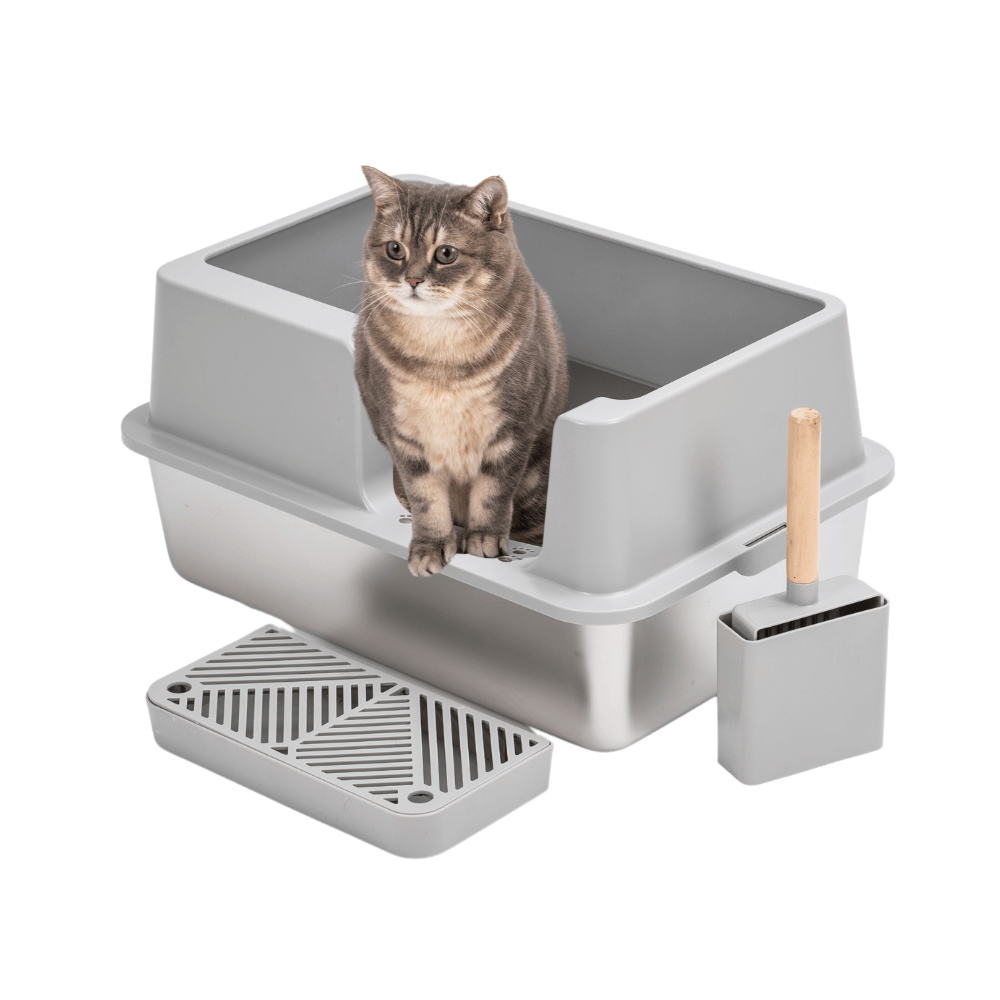
Say goodbye to ordinary litter boxes. Our XL Stainless Steel Litter Box provides a cleaner, odor-free space with its high walls and innovative design. Perfect for multi-cat households, it makes litter management effortless and efficient.
Choosing the Right Cleaning Products
When it comes to maintaining a litter box that reduces allergy triggers, selecting the appropriate cleaning products is crucial. Strongly scented cleaners and scented litters may seem like a natural choice to mask odors, but they often irritate both cats and their owners, potentially worsening allergic reactions. Cats have sensitive respiratory systems, and harsh fragrances can cause discomfort or avoidance behavior, while humans prone to allergies may experience increased sneezing or congestion.
Instead, using plain soap and warm water offers an effective and gentle way to clean litter boxes without introducing harmful irritants. This simple cleaning method thoroughly removes bacteria and odor-causing residues while preserving an environment that is safe and soothing for felines. For more tips on selecting safe cleaning products that protect your pet’s health, explore our guide on safe cleaning products for cats.
Selecting the Best Litter to Manage Allergies
Choosing the right type of cat litter plays a crucial role in minimizing allergy symptoms while ensuring your cat's comfort. Clumping litters are popular for their ease of waste removal, which helps reduce lingering odors and dust that can aggravate allergies. However, some cats may be sensitive to the ingredients or fragrances often added to clumping litters, so opting for unscented, hypoallergenic options is advisable to avoid irritation.
Non-clumping litters generally produce less dust and may stick less to your cat's paws and fur, which helps prevent allergens from spreading around the home. Yet, they often require more frequent full changes to maintain hygiene and control odors effectively. Balancing dust production, odor control, and your cat's sensitivities by testing different litter types can lead to a healthier indoor environment that supports allergy management for both you and your feline companion.
Clumping vs. Non-Clumping Litter for Allergy Sufferers
Clumping litter is often favored by allergy-sensitive cat owners because it makes waste removal simpler and more efficient, which helps reduce lingering odors and airborne dust. By quickly encapsulating urine and feces, clumping litter minimizes the release of allergenic particles, creating a cleaner environment. However, some cats might show sensitivity to the additives or fine dust present in certain clumping litters, so careful selection and observation are necessary to ensure your pet’s comfort.
On the other hand, non-clumping litters generally produce less dust and are less likely to stick to a cat’s paws and fur, reducing the spread of allergens throughout the home. They usually require more frequent complete litter changes to prevent odors and bacterial buildup, which can be more labor-intensive but beneficial for managing allergens. Regardless of type, choosing unscented litter is crucial, as fragrances can trigger respiratory irritation in both cats and their owners. For more guidance on choosing cat litter for allergies, focusing on low-dust, unscented options is paramount to improving home comfort for allergy sufferers.
Maintaining Cat Paws Clean to Prevent Allergen Spread
Litter particles often cling to a cat's paws after using the litter box, inadvertently carrying dust and allergens beyond the designated area. This tracking can disperse irritants throughout your home, exacerbating allergy symptoms for sensitive individuals. By managing how much litter sticks to your cat’s paws, you significantly reduce the spread of allergens in your living space.
Regularly wiping your cat's paws with a damp cloth or pet-safe wipes helps remove residual litter and dust before they spread. Additionally, placing litter mats at the entrance and exit of the box is an effective way to catch loose granules, minimizing litter scattering. These simple yet consistent habits are essential cat paw care tips that contribute to maintaining a cleaner, allergen-controlled environment for both you and your feline companion.
Additional Measures to Reduce Litter Box Allergens
Beyond maintaining impeccable litter box hygiene and choosing the right litter, several supportive actions can effectively reduce allergen spread in your home environment. Introducing litter mats around the box area is a practical step, as these mats catch stray particles and litter tracked out by your cat, helping to contain allergens at the source. Regular cleaning of these mats is essential to maintain their efficiency and prevent accumulated dust and allergens from becoming airborne.
In addition to managing physical litter tracking, improving indoor air quality supports allergy relief for sensitive individuals. Using air purifiers equipped with HEPA filters helps capture fine airborne particles, including dust mites and dander associated with cat allergies. However, air purifiers should complement—not replace—consistent litter box cleaning, as controlling allergens at their origin remains the most effective strategy. Combined, these additional measures create a healthier living space that minimizes allergy triggers linked to litter box use.
Using Litter Mats and Managing Tracking
Placing litter mats directly outside the litter box is an effective way to catch loose litter particles before they spread throughout your home. These mats trap granules that stick to your cat’s paws, significantly reducing the amount of litter tracked beyond the immediate area. By containing litter debris, mats help limit the spread of allergens commonly associated with dust and litter, making the environment cleaner and more comfortable for allergy-sensitive people.
To maintain their effectiveness, litter mats should be cleaned regularly by shaking them out or vacuuming to remove accumulated dust and litter. Neglecting mat maintenance can cause them to become less efficient, allowing allergens to escape containment and circulate indoors. Integrating quality mats into your litter box setup is a practical step in litter tracking control strategies that complement daily cleaning routines for a healthier living space.
Air Purifiers and Allergy Relief
Air purifiers can be a valuable addition to managing cat allergies by reducing airborne allergens that linger around the home. However, they should be viewed as complementary tools rather than standalone solutions. Proper litter box hygiene remains essential for controlling dust mites and odor-causing bacteria at their source, which air purifiers alone cannot address effectively.
For optimal results, choose an air purifier equipped with a HEPA filter, as these are proven to capture the microscopic dust mite allergens commonly associated with cat-related allergic reactions. Combining the use of HEPA air purifiers with consistent litter cleaning creates a more comprehensive approach to minimizing allergens and improving indoor air quality for allergy-sensitive cat owners. For further advice, check out our guide on using air purifiers for cat allergies.
Conclusion
Consistent litter box hygiene is key to lowering the allergens that cause cat allergy symptoms. Choosing unscented, clumping litter and managing paw cleanliness create a healthier environment. While tools like litter mats and air purifiers offer supplemental support, a diligent cleaning regimen is the most effective strategy for improving comfort for both you and your pet.
Frequently Asked Questions
Is it the cat hair I'm allergic to?
Many people naturally assume that cat hair is the primary cause of their allergic reactions, but the reality is more complex. Allergies are usually triggered by specific proteins found in a cat's saliva, dander (tiny flakes of skin), and urine. These proteins can easily stick to the fur and hair, which then act as carriers, spreading allergens around the home.
While cat hair itself is generally not allergenic, it can transport and distribute these underlying proteins, increasing exposure. Understanding this distinction is important because managing cat allergies effectively focuses on reducing contact with saliva and dander allergens, rather than simply limiting exposure to cat hair alone.
Can keeping the litter box cleaner really help my allergies?
Yes, maintaining a cleaner litter box plays a crucial role in reducing allergy symptoms for cat owners. Dirty litter boxes create a breeding ground for dust mites and odor-causing bacteria, both of which are significant contributors to allergic reactions. By regularly removing waste and thoroughly cleaning the litter box, you minimize the accumulation of these allergens that can irritate the respiratory system.
Consistent cleaning also helps control unpleasant odors that often worsen allergy symptoms and cause discomfort. Simple practices like daily removal of feces and soiled litter, combined with periodic full litter replacement, dramatically lower the concentration of allergens in your home. Ultimately, adopting a disciplined litter box hygiene routine makes a noticeable difference in reducing allergic triggers and improving comfort for both you and your cat.
Are air purifiers good for cat allergies?
Air purifiers equipped with HEPA filters can effectively capture airborne allergens such as dust mites, pet dander, and pollen, which are common triggers for cat allergy symptoms. By reducing the concentration of these microscopic particles in the air, air purifiers help improve indoor air quality and can ease respiratory irritation and sneezing bouts for allergy sufferers. However, air purifiers should not be seen as a standalone solution, as allergens originating from a dirty litter box—like dust and odor-causing bacteria—require consistent cleaning and proper litter management to fully control allergy symptoms.
Integrating air purifiers into a holistic allergy care routine, which includes frequent litter box cleaning, using unscented litter, and managing litter tracking, provides the most comprehensive relief. In this way, air purifiers complement but do not replace good litter box hygiene, making them a valuable tool for creating a more comfortable living environment for both cats and their owners.
The Furrbby Difference: Built to Last, Designed to Save You Money
Perfect Memorial Day Upgrade for Multi-Cat Homes
Planned Obsolescence vs. Heirloom Quality: Why Steel Wins
Memorial Day Sale: Why Now Is The Best Time To Upgrade Your Cat’s Litter Setup