


How to Get Your Cat to Drink More Water: 12 Vet-Approved Tips
by Taylor Claier on Oct 08, 2025
Many cat owners notice their feline friends rarely visit the water bowl, unaware that this natural behavior stems from their desert-dwelling ancestors who obtained most moisture from prey. This evolutionary heritage leaves modern house cats with an underdeveloped thirst drive, meaning your cat might not drink enough even when water is readily available. This inadequate hydration puts them at serious risk for kidney disease and urinary problems that are largely preventable with proper intervention.
This guide provides 12 veterinarian-approved methods to naturally encourage your cat to drink more water and maintain optimal hydration. By understanding your cat's unique biological needs and implementing these proven strategies, you can significantly reduce dehydration risks and support their long-term urinary health.
Essential Hydration Strategies for Your Cat
- Cats evolved from desert animals with low thirst drives, making proactive hydration strategies essential for their health
- Multiple water stations with fresh, moving water can increase your cat's intake by 50% or more
- Wet food provides crucial moisture and can supply up to 80% of your cat's daily water needs
Understanding Your Cat's Natural Hydration Needs
Cats evolved from desert-dwelling ancestors like the African wildcat, who survived in arid environments by obtaining approximately 70-80% of their necessary moisture directly from the prey they consumed. This evolutionary adaptation forged a naturally low thirst drive, as frequent drinking was neither practical nor essential for survival in their native habitats. Consequently, modern domestic cats have inherited this biological trait, making them inherently poor drinkers who may not seek out water even when it's readily available.
Unlike their wild counterparts who hydrate through a diet of moisture-rich fresh prey, today's house cats often eat commercial dry food containing only about 10% water. This dramatic shift in diet means indoor cats must consciously drink more to meet their hydration needs, but their innate low thirst drive fails to signal this requirement effectively. Therefore, proactive owner intervention through strategic hydration methods becomes essential to bridge this evolutionary gap and prevent dehydration-related health risks.
The Desert Ancestry Behind Low Thirst Drive
The domestic cat's evolutionary lineage traces back to African wildcats, which thrived in harsh desert environments where water sources were scarce and unpredictable. To survive in these arid landscapes, cats developed a remarkably low thirst drive as a conservation mechanism, allowing them to maximize fluid retention from minimal intake. This inherited trait means modern house cats are biologically wired to drink less frequently than other animals, often failing to meet their hydration needs through voluntary drinking alone.
In the wild, cats obtained approximately 70-80% of their required moisture directly from their prey, consuming small animals whose bodies were primarily composed of water. This evolutionary adaptation allowed them to thrive without relying heavily on standing water sources. For contemporary indoor cats eating dry commercial diets containing only 6-10% moisture, this ancestral programming creates a critical hydration gap that pet owners must consciously bridge through strategic interventions.
Daily Water Requirements by Weight and Diet
Understanding your cat's daily water needs starts with a general guideline: a healthy cat requires approximately 3.5 to 4.5 ounces of water per 5 pounds of body weight each day. This means a 10-pound cat would need 7 to 9 ounces of water daily, but this can vary based on individual factors. Since cats evolved with a low thirst drive, meeting this baseline is crucial for preventing dehydration and supporting kidney function.
The type of diet your cat eats significantly impacts their hydration; cats on dry food may need to drink most of their water from a bowl, while those eating wet food can obtain up to 80% of their needs from food alone. Additional factors like activity level, environmental temperature, and health status—such as kidney disease or diabetes—can increase these requirements. Regularly monitoring your cat's intake and adjusting based on these variables helps ensure they stay properly hydrated.
Recognizing Dehydration: Early Warning Signs
Cats often mask discomfort, making dehydration challenging to detect until it becomes severe. Subtle signs include lethargy, reduced appetite, and dry or sticky gums, while more obvious indicators are sunken eyes, panting, and a significant drop in urination frequency. Behavioral changes like hiding or avoiding interaction can also signal that your cat isn't getting enough fluids.
For at-home monitoring, perform the skin tent test by gently lifting the skin at the scruff of the neck; if it retracts slowly instead of snapping back, dehydration may be present. Additionally, check your cat's gums for moisture and press lightly to assess capillary refill time—normal color should return within 1-2 seconds. These simple tests help you catch issues early, but always consult a vet if results are concerning or symptoms persist.
Physical Symptoms and Behavioral Changes
Performing a simple skin elasticity test, often called the "tenting" test, can reveal early dehydration; gently pinch the skin at the back of your cat's neck and release—if it doesn't snap back immediately, it may indicate reduced fluid levels. Similarly, check your cat's gums: they should be moist and slick, not tacky or dry, and when you press lightly on the gum, the color should return to pink within one to two seconds (the capillary refill time). Other clear physical indicators include sunken eyes, which lose their normal roundness, and unusual lethargy where your cat shows less interest in play or interaction, signaling their body is conserving energy.
Beyond physical signs, closely monitor your cat's urination patterns, as a decrease in the frequency or volume of urine in the litter box, or the production of highly concentrated, dark yellow urine, can be a critical behavioral red flag for insufficient water intake. For instance, consider the case of Milo, a domestic shorthair whose owner noticed he was visiting his water bowl less often and seemed slightly less active, but these subtle changes were dismissed as normal aging; it was only when Milo began straining to urinate that a vet visit confirmed dehydration had contributed to the formation of painful urinary crystals, underscoring how easily early warnings can be overlooked without vigilant observation.
When to Seek Immediate Veterinary Care
Immediate veterinary attention is crucial if your cat displays emergency symptoms such as extreme lethargy, vomiting, refusal to eat for more than 24 hours, or a skin tent test where the skin takes more than two seconds to retract. These signs often indicate severe dehydration, which can rapidly lead to organ dysfunction or shock, unlike mild dehydration that might only show as slight gum dryness or reduced playfulness. Severe cases may also include sunken eyes, rapid breathing, or cold extremities, requiring urgent intervention to prevent life-threatening complications.
Underlying health conditions like kidney disease, diabetes, or hyperthyroidism can exacerbate dehydration and necessitate prompt veterinary evaluation. If your cat has a history of urinary issues or shows signs like straining to urinate, blood in urine, or frequent trips to the litter box, it could relate to broader cat urinary health concerns that need professional management. Always consult your vet when dehydration persists despite home efforts, as it may signal an undiagnosed medical problem requiring specialized treatment.
Water Source Strategies: Bowls vs Fountains
Selecting the optimal water delivery system is a pivotal factor in encouraging your cat to drink more, as feline preferences are deeply rooted in evolutionary instincts that favor moving, fresh water over stagnant sources. Cats descended from desert ancestors who relied on running water to avoid contamination, making modern water bowls less appealing if they don't mimic this natural appeal. By understanding these innate behaviors, you can choose between stationary bowls and circulating fountains to significantly boost daily water intake, which is essential for preventing dehydration and supporting urinary health.
When comparing materials, ceramic, stainless steel, and glass bowls are excellent choices because they are non-porous, resist bacterial growth, and don't impart odors or tastes that might deter drinking. However, these bowls may still fall short for cats who are instinctively drawn to movement, whereas water fountains provide continuously filtered, oxygenated flow that can increase consumption by up to 50%. While fountains require more maintenance, such as regular filter changes and cleaning to prevent algae buildup, their design advantages often outweigh the simplicity of bowls for cats that need extra hydration encouragement.
Choosing the Perfect Water Bowl
Selecting the right material is crucial for your cat's health and willingness to drink. Ceramic, stainless steel, and glass bowls are preferred because they are non-porous, preventing bacteria buildup and avoiding the odors or tastes that can deter cats, unlike plastic which can harbor bacteria and cause feline acne. The size and shape matter equally—opt for a wide, shallow bowl that allows your cat to drink comfortably without their whiskers touching the sides, as this reduces whisker stress and encourages more frequent drinking. A stable, tip-resistant design is also essential to prevent spills and ensure your cat feels secure while hydating.
Preventing whisker fatigue is a key consideration often overlooked by owners; this occurs when sensitive whiskers repeatedly brush against the sides of a narrow bowl, causing discomfort and potentially leading your cat to avoid drinking altogether. Therefore, choosing a bowl with a wide opening and low profile can make hydration a pleasant experience. Regular cleaning is non-negotiable—bowls should be washed with mild soap and warm water daily to remove saliva and food residue, which can form biofilm and affect water freshness. Establishing this routine not only maintains hygiene but also ensures the water remains appealing, supporting your cat's overall hydration goals.
Elevate Your Cat's Cleanliness Routine
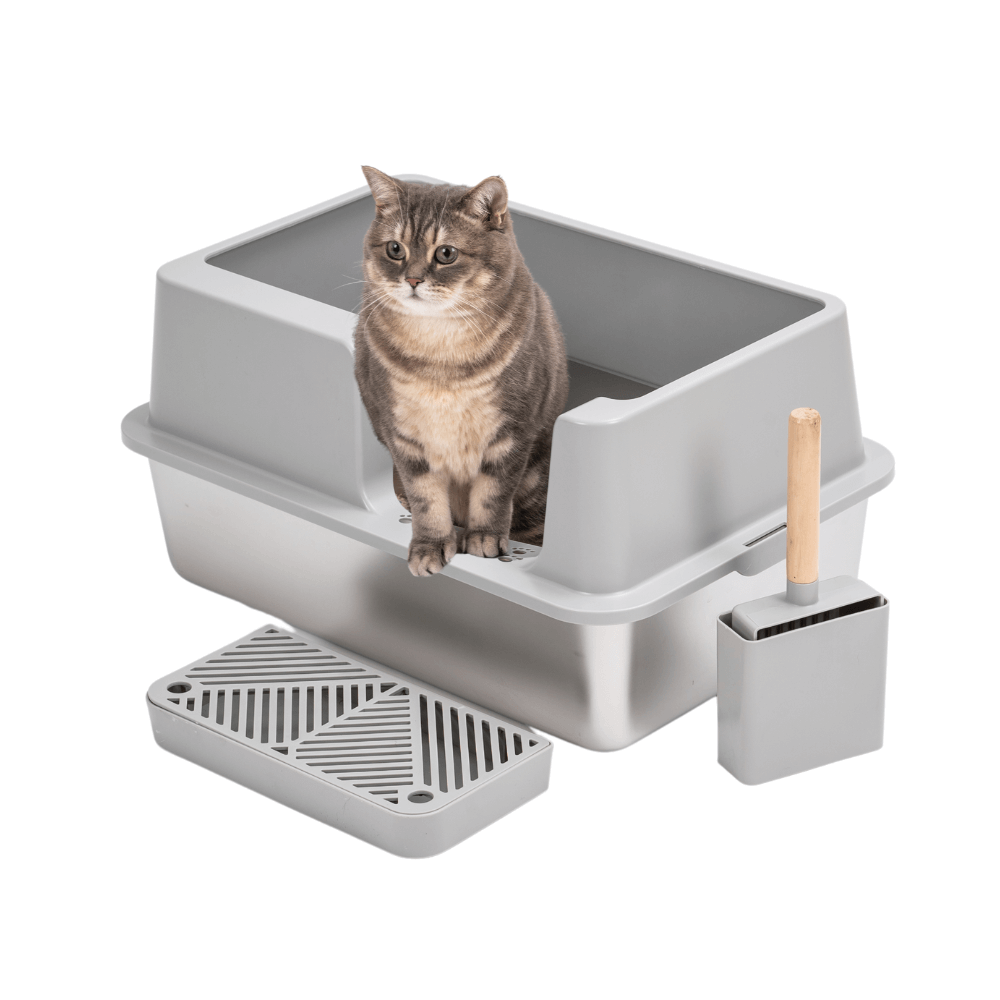
Give your cats the comfort they deserve with an extra-large stainless steel litter box that stays fresher longer, fights odors naturally, and keeps cleanup simple. Designed for big cats or multi-cat homes, its high walls reduce mess while the smart side entry limits tracking. Enjoy a cleaner space—guaranteed.
Why Water Fountains Increase Consumption
Cats are instinctively drawn to moving water due to their evolutionary heritage as desert-dwelling ancestors who associated flowing water with freshness and safety, reducing their natural aversion to stagnant sources. The continuous circulation in water fountains oxygenates the water, which significantly improves its taste and encourages cats to drink more frequently. Studies have shown that this combination of movement and aeration can increase a cat's water intake by up to 50%, directly supporting urinary health by flushing out toxins and preventing crystal formation.
Different fountain designs, such as falling streams or bubbling surfaces, cater to individual feline preferences and provide engaging visual stimuli that prompt cats to interact with the water source. However, maintaining these fountains is essential for sustained effectiveness; regular cleaning and monthly filter changes prevent bacterial buildup and ensure the water remains clean and appealing. By investing in a well-maintained fountain, you create a reliable hydration station that aligns with your cat's instincts, promoting long-term health and reducing the risk of dehydration-related issues.
Strategic Placement Throughout Your Home
Cats are naturally cautious animals and prefer drinking in quiet, low-traffic areas where they feel secure from potential threats. Placing water bowls in calm spots, such as a corner of the living room or a serene hallway, reduces stress and encourages regular hydration. Additionally, it's crucial to separate water stations from food and litter areas, as cats instinctively avoid drinking near potential contaminants—a behavior rooted in their wild ancestors' need to prevent illness from polluted sources.
Providing multiple water stations throughout your home can significantly boost your cat's intake by offering constant access and reducing the need to travel far for a drink. This strategy is especially beneficial in multi-level homes or multi-cat households, as it minimizes competition and ensures all cats have ample opportunities to hydrate. For older cats or those with arthritis, placing water bowls at elbow height or on elevated surfaces reduces strain on their joints, making drinking more comfortable and accessible.
Dietary Approaches to Boost Hydration
What your cat eats plays a pivotal role in their overall hydration, as feline physiology is designed to derive moisture primarily from food, much like their desert-dwelling ancestors consumed prey. Dry kibble typically contains only about 10% moisture, whereas high-quality wet food can provide 75-80% water content, directly contributing to your cat's daily fluid needs. This dietary moisture is more efficiently absorbed by your cat's body, reducing the burden on their kidneys and helping to prevent urinary tract issues that stem from chronic dehydration.
When transitioning your cat to a moisture-rich diet, start by gradually mixing small amounts of wet food into their current meals over 7-10 days to avoid digestive upset. Enhance appeal by gently warming the food to release aromas, or create simple, vet-approved recipes like adding a tablespoon of sodium-free chicken broth or tuna water to their regular meals. For cats resistant to change, try combination feeding—offering wet food at specific times while maintaining some dry food—or use commercial hydration supplements designed to encourage water intake without altering taste significantly.
The Power of Wet Food for Hydration
Dry cat food typically contains only about 10% moisture, while high-quality wet food can provide between 70% and 80% water content, making it a significantly more efficient source of hydration. This means a cat eating wet food may consume the majority of its daily water needs through meals alone, reducing reliance on the water bowl and helping prevent dehydration-related issues like urinary crystals. In contrast, cats on a dry food diet must drink substantially more water to compensate, which can be challenging given their naturally low thirst drive inherited from desert ancestors.
To transition your cat from dry to wet food, start by mixing small amounts of wet food into their usual kibble and gradually increase the proportion over 7-10 days to avoid digestive upset. A combination feeding approach—offering wet food at one meal and dry at another—can balance hydration benefits with dental health or cost considerations. When selecting wet food, prioritize options with real meat as the primary ingredient, high protein content, and minimal fillers like corn or wheat to ensure both palatability and nutritional adequacy for your cat's overall health.
Broths, Gravies and Water Additives
Offering pet-safe broths made from plain boiled chicken or beef (without salt, onions, or garlic) provides a hydrating and enticing option that many cats find irresistible. Commercial hydration supplements are specifically formulated with electrolytes and appealing flavors to encourage increased water consumption without adding unnecessary calories. Simple, natural flavor enhancers like the water from canned tuna or salmon can also make stagnant water more interesting, leveraging your cat's natural preferences to boost their intake.
Always prioritize safety by avoiding toxic ingredients such as onions, garlic, chives, and excessive salt, which can cause serious health issues in felines. Consult your veterinarian before introducing any new broths or supplements, especially for cats with underlying health conditions, to ensure compatibility. For a comprehensive hydration strategy, pairing these methods with wet food can significantly enhance overall moisture intake and support urinary health.
Behavioral Tricks and Environmental Tweaks
Simple adjustments to your cat's daily routine and living space can significantly boost their water consumption by tapping into their instincts. Cats are inherently curious and prefer environments that mimic the stimulation of their wild ancestors, which is why introducing novelty—like rotating water bowl locations or adding ice cubes—can pique their interest. Research in feline behavior shows that cats are more likely to engage with water sources that present a slight challenge or variation, as this aligns with their predatory nature and keeps them mentally engaged.
Strategically placing water stations in elevated, quiet areas away from food and litter boxes can make drinking feel safer and more appealing, reducing stress that might inhibit hydration. The psychological principle here is that cats associate height with security and control, making them more comfortable and likely to drink. Additionally, incorporating moving water through fountains or dripping taps leverages their evolutionary preference for flowing water, which they instinctively perceive as fresher and less contaminated than stagnant sources.
Ice Cubes and Temperature Play
Introducing ice cubes made from plain water, low-sodium chicken or beef broth, or diluted tuna water can transform a mundane water bowl into an enticing hydration station. Many cats are naturally drawn to cooler water temperatures, as it mimics the fresh, running water they instinctively prefer, and the novelty of floating ice can pique their curiosity. These safe, flavor-enhanced options not only lower the water's temperature but also release subtle scents and tastes as they melt, encouraging even finicky drinkers to take more frequent laps.
Turn hydration into playtime by dropping an ice cube into a wide water bowl or a shallow baking dish, allowing your cat to bat it around and lick the melting water—this interactive game taps into their predatory instincts. During warmer months, ice cubes are particularly effective for keeping water cool and refreshing, while in winter, you might reduce their use or place water bowls away from drafts to maintain a palatable temperature. Seasonal adjustments like these ensure your cat's water remains appealing year-round, supporting consistent hydration habits through environmental awareness.
Creating Drinking Stations Cats Love
Cats often prefer elevated drinking stations, such as on countertops or stable shelves, because it taps into their instinct to seek high vantage points for safety while hydrating. In multi-cat households, placing water bowls in social areas can encourage 'social drinking,' where cats feel more comfortable drinking together or observing others, which reduces competition and stress. Understanding these cat water preferences helps you design stations that align with their natural behaviors and promote consistent water intake.
The visual appeal and accessibility of water stations are equally important; opt for wide, shallow bowls in materials like ceramic or stainless steel to prevent whisker fatigue and place them in quiet, well-lit areas away from food and litter boxes. Regularly rotating the location or introducing novel elements, such as a new bowl design or a temporary fountain, can spark your cat's curiosity and prevent boredom, encouraging more frequent visits to stay hydrated.
Special Situations and Health Considerations
Cats with chronic health conditions such as kidney disease, diabetes, or hyperthyroidism require tailored hydration strategies, as these ailments can impair their body's ability to conserve fluids or increase water loss. For senior cats, age-related declines in kidney function and thirst perception mean that providing multiple, easily accessible water stations—such as shallow bowls or fountains with low edges—can make a significant difference in their intake. Similarly, cats prone to urinary tract issues benefit from increased hydration to help flush out minerals and prevent crystal formation, which might involve incorporating wet food or veterinary-recommended supplements into their diet.
Owners should be vigilant for signs that warrant a veterinary consultation, including persistent dehydration symptoms like sunken eyes, skin tenting, or reduced urination, particularly if their cat has a known medical history. Conditions such as heart disease or gastrointestinal disorders may also affect hydration needs, and a vet can provide personalized advice on water additives, prescription diets, or subcutaneous fluids if necessary. Early intervention not only addresses immediate concerns but also helps in crafting a sustainable hydration plan that supports overall health and prevents complications.
Senior Cats and Kidney Health
As cats enter their senior years, their thirst perception often diminishes due to age-related changes in kidney function and hormonal regulation, making them less likely to seek out water even when dehydrated. This reduced drive to drink can accelerate kidney decline, as chronic dehydration forces the kidneys to work harder, increasing the risk of disease. Maintaining optimal hydration through proactive strategies is one of the most effective ways to support renal health and prevent the progression of common conditions like chronic kidney disease in older felines.
Mobility issues such as arthritis or joint pain can further complicate hydration by making it physically challenging for senior cats to access water bowls, especially if they are placed in elevated or hard-to-reach locations. To address this, provide multiple low-profile water stations with wide, shallow bowls that minimize strain, and consider adding non-slip mats for stability. Regularly monitor your senior cat's hydration status through at-home checks like the skin tent test, observing gum moisture, and tracking daily water intake and urination patterns to detect subtle changes early.
Preventing Urinary Tract Issues
Proper hydration plays a vital role in flushing your cat's urinary system by diluting urine and helping to expel minerals and bacteria that can lead to crystal formation or infections. Early intervention strategies include monitoring daily water consumption and recognizing subtle signs like increased frequency of urination or vocalization in the litter box, which warrant immediate veterinary attention. If you notice symptoms of dehydration in cats, such as lethargy or dry gums, addressing it quickly can prevent minor issues from developing into serious urinary tract diseases.
Some breeds, including Persians and Siamese, are genetically predisposed to urinary problems due to factors like urethral anatomy or metabolic tendencies, making proactive hydration management essential. For cats with a history of UTIs, long-term maintenance involves consistent access to fresh water through multiple stations, a diet rich in moisture from wet food or broths, and regular veterinary screenings to detect any recurring issues early.
Building Sustainable Hydration Habits
Multiple strategies work better than relying on a single method, and consistency and patience are essential when introducing new hydration techniques. Regular monitoring helps catch problems before they become serious, and remember that every cat is unique—what works for one may need adjustment for another.
Start with one or two strategies today and gradually incorporate more as your cat adapts. Your consistent effort can significantly impact your cat's long-term health and quality of life.
Frequently Asked Questions
Why don't cats like to drink water?
Cats evolved from desert-dwelling ancestors like the African wildcat, who survived in arid environments by obtaining most of their moisture from prey rather than seeking out water sources. This evolutionary adaptation means modern domestic cats inherited a naturally low thirst drive, as their bodies are biologically programmed to conserve water efficiently. Their survival historically depended on this mechanism, making them less inclined to drink frequently like other animals.
In the wild, cats would consume prey containing 70-80% moisture, reducing their need for standalone water intake. This instinct persists today, explaining why many house cats may ignore water bowls and appear disinterested in drinking. Understanding this background helps owners recognize that a cat's reluctance to drink is not merely picky behavior but a deep-rooted trait requiring proactive hydration strategies.
How much water does a cat need daily?
A healthy cat typically requires 3.5 to 4.5 ounces of water per 5 pounds of body weight each day, meaning a 10-pound cat would need approximately 7 to 9 ounces. This amount can vary based on factors like activity level, environmental temperature, and overall health status. It's essential to monitor your cat's individual needs rather than relying solely on a fixed formula, as some cats may naturally consume more or less.
Cats eating wet food may obtain up to 80% of their daily water intake directly from their meals, due to the high moisture content in canned or pouched foods. In contrast, cats on a dry food diet need to drink significantly more water from their bowl or fountain to compensate for the low moisture in kibble. Understanding this dietary influence helps owners tailor hydration strategies, such as incorporating wet food or using water additives, to ensure their cat meets their daily fluid requirements for optimal urinary and kidney health.
Is a water fountain better than a bowl?
For many cats, a water fountain is indeed a superior choice over a stationary bowl. Cats are instinctively drawn to moving water because their desert-dwelling ancestors associated flowing water with freshness and safety from contamination. The constant motion and aeration in fountains oxygenate the water, enhancing its taste and making it more appealing to feline senses. This natural preference means cats are more likely to approach and drink from a fountain regularly.
Studies support this behavioral insight, showing that cats using water fountains can consume up to 50% more water than those relying on traditional bowls. This significant increase in hydration is vital for flushing the urinary system and reducing the risk of conditions like kidney disease or urinary crystals. While individual preferences vary, introducing a fountain is a proactive step that aligns with your cat's instincts to promote better health.
The Furrbby Difference: Built to Last, Designed to Save You Money
Perfect Memorial Day Upgrade for Multi-Cat Homes
Planned Obsolescence vs. Heirloom Quality: Why Steel Wins
Memorial Day Sale: Why Now Is The Best Time To Upgrade Your Cat’s Litter Setup