


How to Deep Clean a Litter Box in 5 Simple Steps
by Bill Anderson on Sep 18, 2025
A lingering odor from a cat’s litter box can disrupt the comfort of any home, even for owners who scoop waste daily. Maintaining a clean litter box requires a careful deep cleaning routine that refreshes the box and protects your cat’s health, yet many owners struggle to balance thoroughness with convenience and safety.
This article shares five simple steps to deep clean a litter box effectively, including why the right materials matter and how to maintain hygiene standards your cat will appreciate.
What Every Cat Owner Should Know About Deep Cleaning
- Deep cleaning the litter box involves fully emptying, scrubbing, rinsing, drying, and refilling with fresh litter to maintain hygiene and odor control.
- Wearing gloves and cleaning tools properly after use protects against germs and ensures a healthier environment for both cats and owners.
Why Deep Cleaning Your Litter Box Matters
Thoroughly deep cleaning your cat's litter box is essential not only for maintaining a pleasant home environment but also for safeguarding your cat’s health. Neglected litter boxes can become breeding grounds for bacteria, parasites, and fungi that cause infections and skin irritations in cats. Furthermore, accumulated waste and residual moisture inside the box contribute to strong, lingering odors that can spread throughout your living space, negatively impacting your household’s hygiene and comfort.
Consistent deep cleaning removes these harmful contaminants by fully emptying the litter, scrubbing with warm water and mild soap, and fully drying the box before adding fresh litter. This process minimizes the risk of respiratory issues and other health complications caused by exposure to ammonia and pathogens from waste build-up. Beyond health benefits, a regularly cleaned litter box encourages your cat to use their designated spot consistently, reducing unpleasant elimination behaviors and creating a fresher atmosphere for everyone in the home.
Health and Hygiene Benefits of Regular Deep Cleaning
Neglecting to deep clean a litter box allows harmful bacteria and parasites to accumulate, creating an unsanitary environment that can lead to infections and illnesses in cats. These pathogens often thrive in leftover waste and urine deposits, increasing the risk of respiratory problems and skin irritations. Additionally, when litter boxes are not cleaned thoroughly, the unpleasant odors can permeate your home, negatively impacting air quality and overall household comfort.
I once cared for a senior cat whose frequent respiratory issues improved significantly after we adopted a routine of weekly deep cleaning. By scrubbing and fully refreshing the litter box, we noticed not only a reduction in smell but also a marked improvement in the cat’s behavior and health, demonstrating the vital connection between cleanliness and feline well-being. For more insights on maintaining your cat’s health, explore our detailed guide on cat hygiene essentials to ensure your pet thrives in a clean and safe environment.
How Litter Box Cleanliness Affects Cat Behavior
Cats are naturally fastidious creatures with a strong sensitivity to the cleanliness of their environment, especially when it comes to their litter box. Even slight odors or residual waste can cause discomfort, leading many cats to avoid using a dirty box altogether. This avoidance can result in elimination problems such as urinating or defecating outside the litter box, which can further complicate household hygiene and create stress for both cats and owners.
Another important factor influencing a cat’s willingness to use their litter box is the depth of the litter itself. Cats prefer an optimal litter depth that allows them to dig and cover their waste comfortably—typically around 2 to 3 inches. Too much litter can feel overwhelming or messy, while too little can leave them exposed and reluctant to use the box. Maintaining the right balance improves your cat’s comfort and promotes consistent litter box use, helping to prevent behavioral issues connected with cleanliness concerns. For more on resolving these challenges, see our guide on addressing cat elimination problems.
Step-by-Step Guide to Deep Clean a Litter Box
Deep cleaning your cat's litter box can seem daunting, but following a straightforward 5-step process ensures a hygienic and odor-free environment for both you and your feline companion. Start by preparing your cleaning station—wear disposable gloves and place a trash container nearby to streamline waste disposal and maintain cleanliness. Next, remove all solid waste and clumps using a scoop with a grated bottom, making sure to discard everything promptly to prevent lingering smells.
After scooping, completely empty the remaining litter and thoroughly scrub the box using warm water and mild dish soap, focusing on soiled spots along the sides and bottom to eliminate bacteria. Rinse the litter box thoroughly to remove all soap residues, then allow it to dry fully to prevent moisture buildup that encourages odor and mold growth. Finally, refill the box with fresh litter at the optimal depth—enough to cover waste but not so much that it discourages your cat from using the box regularly. Maintaining quality litter and proper cleaning tools can significantly reduce odors and improve your cat’s comfort and health over time.
Step 1: Prepare Your Cleaning Station
Before you begin deep cleaning your cat’s litter box, setting up an efficient cleaning station is crucial to minimize mess and maintain hygiene. Position a trash can or waste container close to the litter box to quickly and safely dispose of used litter and waste, helping you avoid tracking debris all over your home. This setup ensures a smoother workflow and reduces the chance of cross-contamination.
Equally important is wearing disposable gloves during the cleaning process. Gloves protect your hands from coming into direct contact with bacteria and odors, creating a sanitary barrier and promoting safer handling of waste materials. For more detailed advice on maintaining cleanliness throughout the process, check out our litter box cleaning tips for best practices that keep both you and your cat healthier.
Step 2: Remove Solid Waste and Clumps
Using a litter scoop with a grated bottom is essential for effectively separating solid waste and urine clumps from clean litter. The grated design allows clean litter to sift back into the box while capturing all waste, making the scooping process more efficient and less wasteful. This targeted removal prevents odor buildup and keeps the litter fresh for longer periods.
Once collected, it is important to promptly dispose of all solid waste and urine clumps into a nearby trash container or waste bin to maintain hygiene and prevent contamination around the litter box area. Keeping a dedicated container close by streamlines this cleanup step and reduces the chance of messes, helping ensure a fresher, more pleasant environment for both you and your cat. For more detailed advice, explore our guide on scooping solid waste effectively.
Step 3: Empty and Scrub the Entire Litter Box
Begin this crucial step by completely emptying all the remaining litter into a garbage bag or bin designated for waste disposal. It’s important to remove every bit of litter to ensure that no old debris or odors linger, which can harbor bacteria and reduce the effectiveness of your deep clean. Once emptied, prepare a cleaning solution of warm water and mild dish soap — this combination is both safe for your cat and highly effective at breaking down grime and residue.
Using a sponge or soft brush, thoroughly scrub all surfaces of the litter box, paying special attention to soiled or stained spots on the sides and bottom where waste often collects. These areas can easily become breeding grounds for bacteria if neglected. After scrubbing, rinse the litter box well to remove all soap traces, ensuring no chemical residue remains. For more details on selecting safe cleaning agents that protect your cat, see our guide on safe litter box cleaning agents.
Step 4: Rinse Thoroughly and Dry Completely
After scrubbing your litter box with warm water and mild dish soap, it’s crucial to rinse it thoroughly to ensure no soap residue remains. Any leftover detergent can irritate your cat’s sensitive paws or skin and may also affect the litter’s absorption qualities, leading to unpleasant odors or discomfort. Use plenty of clean, warm water to wash away all cleaning agents, paying special attention to corners and crevices where soap can sometimes linger unnoticed.
Once rinsed, allow the litter box to dry completely before refilling it with fresh litter. Moisture trapped inside the box can cause clumping issues with the new litter and encourage bacterial growth, undermining your deep cleaning efforts. Placing the box in a sunny, well-ventilated area or wiping it dry with a clean towel are effective methods to speed up drying and ensure a fresh, hygienic environment for your cat.
Step 5: Refill with Fresh Litter at the Right Depth
Refilling the litter box with fresh litter at the correct depth is crucial for encouraging your cat to use the box comfortably while minimizing waste. Generally, a depth of about 2 to 3 inches is ideal; this provides enough material for your cat to dig and cover waste effectively, which supports natural behaviors and reduces odor. Too little litter can leave your cat feeling exposed and less likely to use the box, while too much can lead to unnecessary litter waste and make cleaning more cumbersome.
Overfilling the box can also cause litter to scatter outside, creating mess and additional cleanup. On the other hand, underfilling may cause the box’s bottom to become exposed, increasing the risk of urine pooling and odors. Balancing the litter depth properly helps maintain hygiene and comfort for your pet, ensuring they feel safe and encouraged to use their litter box consistently.
Finishing Touches: Clean Yourself and Your Tools
After completing the deep cleaning of your cat’s litter box, it is essential to wash your hands thoroughly with warm water and soap. This helps remove any lingering germs or bacteria that may have transferred during the cleaning process, protecting both your health and that of your household. Taking this simple hygiene step ensures you avoid accidentally spreading contaminants to other surfaces or yourself.
Equally important is the proper cleaning and storage of your litter scoop. Rinse it with hot water and detergent to eliminate waste residue and bacteria, then dry it completely to prevent moisture buildup. Once clean and dry, store the scoop inside a sealed plastic bag or container to keep it sanitary and ready for its next use. This practice reduces the risk of cross-contamination and maintains a hygienic cleaning routine for your cat’s litter box.
Safe Cleaning Practices and Materials for Your Cat
When deep cleaning a litter box, choosing the right cleaning products is essential to protect your cat's sensitive respiratory system and skin. Harsh chemicals, especially bleach, ammonia-based cleaners, or strong disinfectants, can leave toxic residues that may cause irritation or harm your cat. Instead, opt for mild dish soap combined with warm water, which effectively removes dirt and bacteria without introducing harmful substances. Thorough rinsing after washing is equally important to ensure no soap traces remain that could upset your cat.
In addition to selecting safe cleaning agents, using washable or disposable gloves during cleaning helps maintain hygiene and prevents cross-contamination between your cat’s litter environment and other household surfaces. Cleaning tools, such as scoops and brushes, should also be sanitized regularly with hot water and mild detergent and stored separately to avoid spreading germs. By following these practices, you create a safer, healthier environment that respects your cat’s well-being and helps maintain a fresher home.
Avoid Harmful Chemicals Like Bleach
Bleach and other harsh chemicals can be extremely toxic to cats, even in small amounts. When used to clean a litter box, residues of these substances can linger and cause respiratory irritation, skin sensitivity, or even more severe health problems for your feline companion. Cats are particularly susceptible to airborne chemical fumes, which makes it crucial to avoid strong disinfectants that might seem effective but pose significant risks to their well-being.
Instead of bleach, it is safer and just as effective to use mild dish soap combined with warm water when cleaning your litter box. This gentle approach thoroughly removes bacteria and odors without leaving harmful residues, ensuring a hygienic environment for your cat. For more detailed guidance on safe cleaning practices, see our section on disinfecting a litter box safely, where you can learn about pet-safe products and techniques to maintain your cat’s health and comfort.
The Importance of Washable Tools and Gloves
Using durable gloves, whether reusable or disposable, is essential when deep cleaning your cat's litter box to protect your hands from germs and irritants. Reusable gloves made from sturdy materials like nitrile or rubber can be washed and sanitized after each use, making them a sustainable and cost-effective option for regular cleaning routines. Alternatively, disposable gloves offer convenience and reduce the risk of cross-contamination if discarded immediately after cleaning.
Cleaning tools thoroughly after each use is equally important to prevent the transfer of bacteria and odors between cleanings. Litter scoops, brushes, and sponges should be washed with hot water and detergent, then dried completely before storage. Storing these items separately or in sealed containers helps maintain hygiene and ensures your cat's litter area remains safe and fresh.
Maintaining a Fresh and Healthy Litter Box Routine
Maintaining a clean and fresh litter box environment relies on a consistent routine that balances daily care with periodic deep cleaning. Daily scooping of solid waste and urine clumps is essential to prevent odor buildup and keep the litter inviting for your cat. This daily habit not only preserves the cleanliness of the box but also reduces the frequency and intensity of deep cleans, making overall maintenance easier and more effective.
For deep cleaning, experts recommend a thorough wash of the litter box at least once a week or every two weeks, depending on factors like the number of cats using the box and the litter type. Some households with multiple cats or using clumping litters may find weekly deep cleans necessary to maintain optimal hygiene. In addition to cleaning routines, the environment setup plays a role in sustaining freshness—placing litter boxes in well-ventilated, low-traffic areas encourages use and minimizes odor spread throughout the home. Together, these practices ensure a healthier, more comfortable space for both you and your feline companion.
How Often Should You Deep Clean?
The frequency of deep cleaning your cat's litter box depends primarily on the number of cats you have and the type of litter used. For single-cat households using clumping litter, a weekly deep clean is usually sufficient to maintain optimal hygiene and control odors. In multi-cat households, or when non-clumping litter is used, biweekly or even more frequent deep cleaning may be necessary to prevent bacteria buildup and minimize unpleasant smells. Regular deep cleaning complements daily scooping and helps create a fresher environment for both cats and their owners.
Certain situations call for more frequent deep cleaning beyond the standard schedule. If you notice persistent odor despite daily maintenance, if a cat is ill, or if the litter box is used heavily throughout the day, increasing cleaning frequency can help protect your cat’s health and comfort. Additionally, seasonal changes or high humidity may accelerate odor development, signaling the need for extra care. For detailed guidance on changing your cat’s litter and maintaining cleanliness, see our comprehensive article on changing cat litter completely.
Daily Scooping and Spot Cleaning for Odor Control
Regular scooping of your cat's litter box at least once daily is essential to prevent waste buildup and control unpleasant odors. Removing clumps and solid waste promptly not only keeps the litter fresh but also encourages your cat to continue using the box consistently, which supports their hygiene and comfort. Frequent scooping reduces the chance of bacteria and mold growth, enhancing both your cat’s health and your home's environment.
Between deep cleaning sessions, quick spot cleaning plays a vital role in maintaining overall cleanliness. You can easily manage minor messes or damp spots by using a disposable cloth or paper towel to wipe affected areas, ensuring that the litter box stays inviting between thorough cleans. This routine care extends the life of the litter and minimizes the need for premature complete litter replacement while keeping odors at bay.
Placement and Number of Litter Boxes
Proper placement of litter boxes plays a crucial role in reducing stress and encouraging consistent use by your cat. It’s important to place litter boxes in quiet, low-traffic areas where your cat feels safe and unthreatened. Avoid locations near loud appliances or busy doorways, and ensure good ventilation to help control odors. This considerate placement helps to create a comfortable environment, minimizing the chances of your cat avoiding the box due to anxiety or disturbance.
For households with multiple cats, providing several litter boxes is essential to prevent territorial disputes and maintain hygiene. The general rule is to have one litter box per cat plus one extra, allowing each cat its own space and reducing competition. Multiple boxes placed in different locations also give cats alternatives if one box is unappealing or occupied, contributing positively to their well-being. With careful attention to litter box maintenance and strategic placement, you can foster healthier behaviors and minimize elimination issues. For more detailed advice, see our litter box maintenance tips .
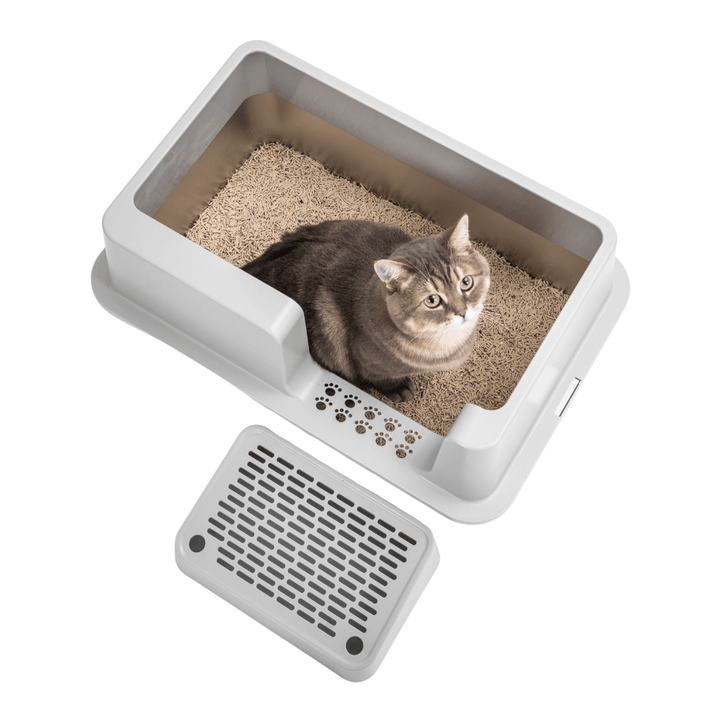
Upgrade Your Cat's Space Today
Experience the difference with our stainless steel litter boxes, designed for enhanced hygiene and effortless cleaning. Say goodbye to odors and hello to a fresher home and a happier cat.
Conclusion
Deep cleaning the litter box every one to two weeks keeps your home odor-free and supports your cat’s health. Choosing safe materials and respecting your cat’s preference for litter depth encourages consistent use. Combining daily scooping with regular deep cleans creates a hygienic environment that benefits everyone in the household.
Start improving your cat’s comfort and your home’s freshness today by adopting these simple cleaning steps and exploring better litter box options.
Frequently Asked Questions
How often should I deep clean my cat's litter box?
To maintain a hygienic and odor-free environment, it is generally recommended to deep clean your cat’s litter box on a weekly or biweekly basis. This frequency can vary depending on factors such as the number of cats using the box and the type of litter you use; more cats or clumping litters may require more frequent attention. Regular deep cleaning helps eliminate bacteria, parasites, and lingering odors that daily scooping alone cannot fully address.
In between deep cleans, daily scooping of solid waste and clumps is essential for controlling odors and keeping the litter box inviting for your cat. Consistent maintenance not only promotes your cat’s comfort and health but also reduces the chance of unpleasant smells spreading throughout your home. Balancing daily care with periodic thorough cleaning ensures the best hygiene for both you and your feline friend.
What cleaning products are safe for cats?
When it comes to cleaning your cat's litter box, using mild dish soap combined with warm water is the safest and most effective choice. This gentle cleaning method thoroughly removes waste and odors without leaving harmful chemical residues that could irritate your cat's sensitive paws or respiratory system. Harsh chemicals, especially bleach and ammonia-based cleaners, should be strictly avoided as they can be toxic to cats and may cause stress or health risks if inhaled or absorbed through the litter box surface.
Additionally, mild dish soap is widely recommended by pet safety experts because it balances cleanliness with the need to keep your feline companion safe and comfortable. After washing, ensure you rinse the litter box thoroughly to remove any soap residue, allowing the box to dry completely before adding fresh litter. This prevents any lingering scents or substances that may discourage your cat from using the box, thereby maintaining both hygiene and your pet’s trust.
Can I use bleach to clean a litter box?
No, using bleach to clean a litter box is strongly discouraged because bleach can be highly toxic to cats. The fumes left behind after bleaching can cause respiratory irritation and distress, and even small residues on the box can harm your cat's sensitive paws and skin. Additionally, bleach can react with organic material in the litter box, releasing harmful gases that pose further health risks.
Instead, the safest and most effective way to deep clean a litter box is to use warm water combined with mild dish soap. This method thoroughly cleans and removes odors without exposing your cat to dangerous chemicals. After washing, it is crucial to rinse the box thoroughly to eliminate any soap residue, ensuring a safe, fresh environment that your cat will readily accept.
The Furrbby Difference: Built to Last, Designed to Save You Money
Perfect Memorial Day Upgrade for Multi-Cat Homes
Planned Obsolescence vs. Heirloom Quality: Why Steel Wins
Memorial Day Sale: Why Now Is The Best Time To Upgrade Your Cat’s Litter Setup