


How to Deep Clean a Litter Box in 5 Simple Steps
by Taylor Claier on Oct 09, 2025
Imagine a fresh, odor-free home where your cat willingly uses its clean litter box every time. Maintaining a litter box goes beyond daily scooping—deep cleaning plays a crucial role in ensuring your cat’s health and comfort. Neglected litter boxes can harbor bacteria and odors that impact both pets and owners.
With simple, practical steps, regular deep cleaning can keep your home fresh and your cat happy. This guide explains five essential steps for deep cleaning a litter box and shares tips to establish a cleaning routine that supports hygiene and reduces unpleasant smells.
What You Need to Remember About Litter Box Cleaning
- Thorough deep cleaning removes waste residue and bacteria, supporting your cat’s well-being.
- Using safe, mild cleaning products and letting the box dry completely ensures safe reuse.

Why Deep Cleaning Your Cat’s Litter Box Matters
Regular deep cleaning of your cat’s litter box goes far beyond simply controlling unpleasant smells; it is essential for maintaining a hygienic environment that protects your cat’s health. Over time, litter boxes can accumulate bacteria, yeast, and fungi that thrive in leftover waste and moisture. These harmful microorganisms may cause infections, irritation, or even more severe health issues for your feline companion if not addressed with thorough cleaning practices.
In addition to health risks, poor litter box hygiene can lead to behavioral problems such as litter avoidance, where cats refuse to use a dirty or smelly box. This can cause stress for both pets and owners and potentially result in inappropriate elimination elsewhere in the home. Understanding these impacts highlights why consistent deep cleaning is crucial—not only to neutralize odors but also to reduce bacterial growth and support your cat’s comfort and well-being.
Health and Hygiene Benefits of Deep Cleaning
The litter box can be a breeding ground for bacteria, yeast, and fungi, all of which pose significant health risks to your cat. Regular deep cleaning removes these harmful microorganisms, helping to prevent infections and other illnesses that can affect your feline’s urinary and digestive systems. Beyond physical health concerns, a dirty litter box can produce unpleasant odors that not only impact your home environment but also stress your cat.
Proper cleaning reduces odor buildup and creates a more inviting and comfortable space for your cat, which is essential to encourage consistent litter box use. Behavioral issues such as litter avoidance can occur when cats associate their box with unpleasant smells or unsanitary conditions. Maintaining a clean litter box is thus crucial not only for your pet’s health but also for their well-being and behavior, highlighting the critical connection between cat health and litter box hygiene.
Common Misconceptions About Litter Box Cleaning
Many cat owners believe that daily scooping alone is sufficient to maintain a clean and sanitary litter box. However, while daily removal of waste is essential for odor control and immediate cleanliness, it does not fully sanitize the box or eliminate bacteria buildup that accumulates over time. Deep cleaning on a regular schedule is necessary to thoroughly remove residue and harmful microorganisms that daily scooping cannot address.
Another widespread misconception is that using bleach or harsh chemical cleaners is an effective way to sanitize the litter box. In reality, these products can leave toxic residues that are dangerous to cats, potentially causing respiratory distress or irritating their paws. Additionally, moisture left behind after cleaning, especially if the box isn't dried completely, can create a damp environment that promotes bacterial growth and interferes with the litter’s clumping ability. To avoid these issues, always opt for warm water and mild, pet-safe cleaning products designed specifically for litter boxes, ensuring the box is rinsed well and dried fully before refilling with fresh litter. For more information on safe litter box cleaning products, consult trusted pet care resources.
The Five Essential Steps to Deep Clean Your Litter Box
Deep cleaning your cat's litter box is essential for maintaining a hygienic environment that keeps both your cat comfortable and your home odor-free. The process involves a systematic approach that ensures all waste, bacteria, and residues are thoroughly removed. First, prepare your cleaning area by gathering supplies like disposable gloves, a brush or sponge, mild dish soap, and fresh litter; this setup ensures efficiency and minimizes mess. Next, completely remove all used litter to eliminate any clumps or debris that could harbor odors or bacteria.
Following debris removal, thoroughly scrub and sanitize the litter box using warm water and a mild, pet-safe soap to avoid irritating your cat or leaving harmful residues. Rinse the box completely to ensure no cleaning agents remain, as leftover soaps can cause discomfort or health issues for your cat. Finally, let the litter box dry fully before adding fresh litter; this step prevents moisture build-up that can promote bacterial growth or create clumping problems. By following these five steps regularly, you create a cleaner, safer space that encourages your cat’s proper litter box use and enhances overall hygiene.
Step 1: Prepare Your Cleaning Area
Before starting the deep cleaning process, it’s essential to set up your cleaning area efficiently. Place a trash can or an empty bucket near the litter box to catch all debris, so you can easily dispose of used litter and waste without making a mess. Having this container within reach streamlines the cleaning process and helps maintain cleanliness around your work area.
Next, gather all necessary supplies to ensure a smooth, uninterrupted cleaning session. Essential items include disposable gloves to protect your hands, a brush or sponge for scrubbing, mild dish soap that is safe for pets, and fresh litter ready for refilling once cleaning is complete. Having these litter box cleaning supplies prepared beforehand makes the task more manageable and boosts your confidence in maintaining a hygienic environment for your cat.
Step 2: Remove All Used Litter
Begin by completely emptying the litter box, carefully pouring all used litter into a garbage bag or bin designed for waste disposal. It’s important to ensure that no clumps, residue, or stuck-on debris remain inside the box, as lingering waste can contribute to odors and bacterial buildup over time. Thorough removal allows you to start fresh with clean litter, promoting a healthier environment for your cat and preventing repeated exposure to germs.
Taking the time to empty the entire litter box also gives you a chance to inspect the box for any cracks or wear that might trap bacteria or harbor odors. For guidance on how often to change all litter completely, consider factors such as the number of cats you have and your cat’s habits; in general, a full litter replacement every one to two weeks supports cleanliness, while deep cleaning schedules help maintain long-term hygiene.
Step 3: Thoroughly Scrub and Sanitize
To effectively deep clean your cat's litter box, use warm water combined with mild dish soap or a pet-safe cleaner specifically designed to be gentle on feline companions. Thoroughly scrubbing all surfaces is essential to remove stuck-on litter, waste, and residue that daily scooping can't eliminate. Avoid using bleach or harsh chemical cleaners, as these can leave behind toxins that may irritate your cat’s sensitive paws or respiratory system, ultimately compromising their health.
One cat owner shared how switching to mild soap for weekly deep cleaning dramatically improved the litter box’s odor and their cat’s willingness to use it consistently. Before the change, the cat avoided the box and exhibited signs of stress, but after adopting a gentle cleaning routine, not only did the smell significantly reduce, but the cat's behavior normalized—demonstrating how effective cleaning methods support both hygiene and your pet’s comfort. For more guidance on optimal cleaning techniques, explore our article on the best litter box cleaning method.
Autumn Savings on Premium Cat Products
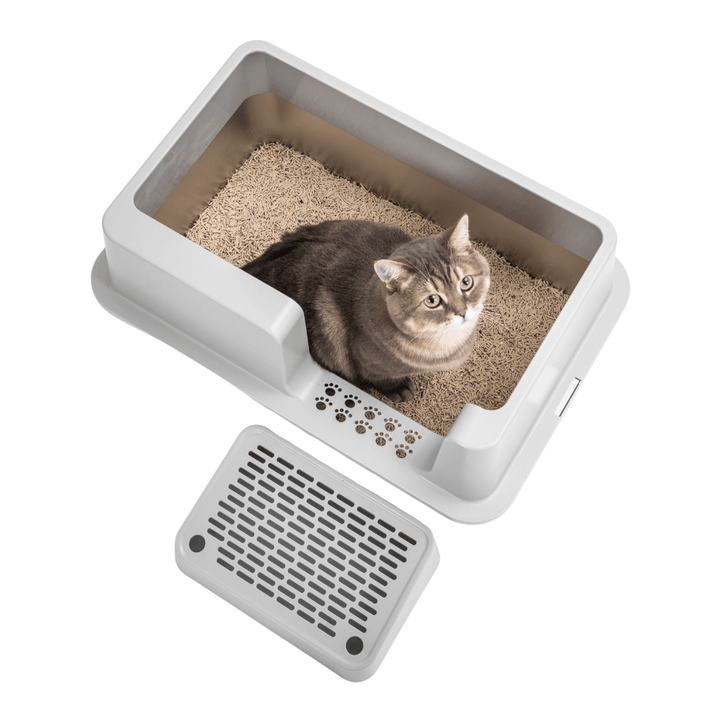
Upgrade your cat's litter box experience with our durable stainless steel options. Designed for easy cleaning and odor resistance, find the perfect fit for your feline friend before the sale ends!
Step 4: Rinse Thoroughly
Rinsing the litter box thoroughly after scrubbing is vital to ensure that no soap or cleaning product residues remain on its surfaces. Leftover cleaning agents can cling to the box and, when combined with the litter, may emit odors or chemical traces that irritate your cat’s sensitive paws or respiratory system. Using plenty of warm water to rinse away all soap suds helps maintain a safe and comfortable environment for your pet while preventing any buildup of unwanted substances.
Beyond discomfort, residual cleaning solutions left in the litter box can potentially harm your cat by triggering allergic reactions or skin irritations. Cats are naturally meticulous about their hygiene, and any unfamiliar chemical scent may cause them to avoid the box altogether, leading to litter box aversion or inappropriate elimination behaviors. Therefore, taking the extra time to rinse completely supports both your cat’s health and their consistent use of the litter box.
Step 5: Dry Completely Before Refilling
Allowing the litter box to dry completely before adding fresh litter is a crucial final step in your deep cleaning routine. Moisture left inside the box can cause new litter to clump prematurely and create an environment that encourages bacterial growth, undermining your efforts to maintain a hygienic space for your cat. Ensuring the box is fully dry also prevents unpleasant odors and helps keep the fresh litter lightweight and easy to manage.
Once the litter box is completely dry, refill it with a fresh layer of litter to provide a clean, comfortable surface for your cat. This step not only supports better clumping and odor control but also signals to your cat that their litter box is well cared for, encouraging consistent use. For added assurance, consider placing the litter box in a well-ventilated area or using a clean towel to speed up the drying process if needed.
Maintaining Your Litter Box: Tips Beyond Deep Cleaning
Maintaining a clean and odor-free litter box between deep cleans requires consistent daily and weekly routines. Daily scooping of clumps and solid waste is essential to prevent unpleasant smells and discourage your cat from avoiding the box. Complement this with a weekly quick wash using warm water and a mild, pet-safe cleaner to keep surfaces fresh without exposing your cat to harsh chemicals. These regular habits significantly reduce buildup and make monthly deep cleanings easier and more effective.
Choosing the right products can extend freshness and ease your maintenance workload. Clumping litters are popular for quick scooping and effective odor control, while adding a sprinkle of baking soda naturally neutralizes smells without irritating your cat. In multi-cat homes, providing one litter box per cat plus one extra helps reduce stress and litter box aversion, while strategically placing boxes in quiet, accessible areas encourages regular use. Establishing a consistent cleaning schedule and using suitable litter types can transform your litter box upkeep into a manageable, hygienic routine that supports both your cat’s well-being and your home’s comfort.
Daily Scooping and Weekly Cleaning Routine
Consistently removing clumps and solid waste from the litter box daily is essential to prevent odor buildup and maintain a hygienic environment for your cat. This routine not only keeps the litter fresher but also encourages your cat to continue using the box regularly, reducing the chances of accidents elsewhere in your home.
In addition to daily scooping, performing a weekly cleaning by washing the litter box with plain water or a mild, diluted pet-safe cleaner significantly improves cleanliness and minimizes bacterial growth. Regular weekly washing breaks down lingering residues and odors, ensuring a fresher litter box that contributes to your cat’s overall health and comfort. For more details, explore our guide on weekly litter box cleaning.
Choosing the Right Litter for Hygiene and Odor Control
Selecting the right cat litter is essential for maintaining a clean, odor-free environment. Clumping litters are particularly beneficial as they bind waste together, making scooping easier and more efficient, which helps control odors before they spread. Adding a small amount of baking soda to the litter can naturally absorb moisture and neutralize unpleasant smells, offering an extra layer of odor control without harmful chemicals.
Beyond clumping ability and odor absorption, the material of the litter significantly impacts dust levels and tracking behavior. Some litters are designed to minimize dust, which is better for both your cat’s respiratory health and household cleanliness. Similarly, lightweight or specially textured litters can reduce how much gets scattered outside the box, keeping your floors cleaner. For a deeper understanding of how different materials impact cat comfort and home hygiene, explore our guide on best litter types for cats.
Managing Litter Boxes in Multi-Cat Households
In multi-cat households, providing an adequate number of litter boxes is essential to reduce stress and prevent accidents. The general guideline is to have one litter box per cat, plus an extra one, ensuring each feline has access to a clean and comfortable place for elimination. Strategically placing the boxes in quiet, low-traffic areas throughout the home encourages frequent use and helps avoid territorial disputes among cats.
Maintaining a consistent cleaning schedule is equally important to keep harmony among your cats and prevent litter box avoidance. Regular scooping, scheduled deep cleanings, and monitoring box condition help promote a healthy environment and decrease odor or mess that might discourage cats from using their boxes. For more detailed guidance on maintaining multiple litter boxes effectively, explore our litter box maintenance tips.
Conclusion
Deep cleaning the litter box regularly prevents bacteria buildup and odors, supporting your cat's health. Each cleaning step plays an important role in hygiene and cat comfort. Maintaining daily scooping and choosing the right litter enhances cleanliness between deep cleans.
Avoid harsh chemicals that leave harmful residues. Multi-cat households require extra attention with box count and placement. Establish a regular litter box deep cleaning routine today to improve home hygiene and your cat’s well-being.
Frequently Asked Questions
How often should I deep clean my cat's litter box?
For maintaining optimal hygiene and a healthy environment for your cat, it is recommended to deep clean the litter box at least once a month. This thorough cleaning removes bacteria, odors, and waste residue that daily scooping alone cannot eliminate, helping to prevent infections and unpleasant smells.
However, if you have multiple cats or notice persistent odors and litter box avoidance, increasing the frequency to a weekly deep clean can provide even better results. Regular deep cleaning promotes your cat’s comfort and reduces the chance of behavioral issues related to unsanitary conditions.
What cleaning products are safe for cats?
When deep cleaning your cat’s litter box, it’s essential to use cleaning products that are safe and non-toxic for your feline friend. Warm water combined with mild dish soap is an effective and gentle option that removes waste residue without leaving harmful chemicals behind. Alternatively, specialized pet-safe cleaners designed for litter boxes ensure thorough sanitation while keeping your cat safe from irritation or toxic exposure.
Avoid using bleach, ammonia, or other harsh chemicals, as these substances can leave dangerous residues that may cause respiratory issues, skin sensitivity, or discourage your cat from using the litter box. Ensuring the box is rinsed thoroughly to remove any cleaning agents and dried completely further minimizes risks and helps maintain a healthy, odor-free environment that your cat will feel comfortable with.
Can I use bleach to clean a litter box?
No! Bleach is not recommended for cleaning a cat’s litter box because it can leave behind toxic residues that are harmful to your cat’s sensitive respiratory system and skin. Even after rinsing, small amounts of bleach may remain trapped in the plastic or crevices, potentially causing irritation or adverse health effects.
Instead, opt for warm water and mild dish soap or pet-safe cleaning products that effectively sanitize without risking your cat’s safety. Maintaining a toxin-free cleaning routine ensures your feline friend stays healthy and comfortable, encouraging consistent litter box use.
The Furrbby Difference: Built to Last, Designed to Save You Money
Perfect Memorial Day Upgrade for Multi-Cat Homes
Planned Obsolescence vs. Heirloom Quality: Why Steel Wins
Memorial Day Sale: Why Now Is The Best Time To Upgrade Your Cat’s Litter Setup