


How to Cat-Proof Your American Home: 12 Essential Tips
by Taylor Claier on Oct 15, 2025
Imagine coming home to find your curious cat perched precariously on an open window ledge or chewing on a dangling electrical cord. For many cat owners, these moments turn into sudden worries about safety and damage.
Creating a safe home environment for your feline friend requires more than just love—it calls for practical, preventive measures that protect both your cat and your belongings. From securing windows to removing toxic plants, every step can reduce risks and encourage positive behaviors.
This guide provides 12 essential tips to simplify the process of cat-proofing your home. Following these steps helps create a secure environment that supports your cat’s well-being while giving you peace of mind.
Core Insights for Safeguarding Your Cat and Home
- A layered approach combining environment adjustments, safety barriers, and behavioral training creates the safest home for your cat.
- Maintaining safe spaces, removing toxic hazards, and redirecting unwanted behaviors are the most effective steps cat owners can take.
Securing Entry Points and Hazardous Areas
Cats are naturally curious and often drawn to exit points like windows and doors because they offer enticing sights, sounds, and smells from the outdoors. Deep-seated instincts for territorial surveillance and hunting drive this curiosity. These spots also serve as potential escape routes that can lead to dangerous situations, such as traffic accidents or getting lost. Controlling access to these areas with physical barriers like childproof screens and secure latches provides a robust defense against accidental escapes. This strategy allows your cat to safely enjoy fresh air and outdoor views without the associated risks.
Physical barriers alone, however, are not enough to maintain lasting safety. Lasting security comes from combining these barriers with reinforced habits. This includes consistently checking that doors and windows are latched and creating household routines that minimize opportunities for escape. For particularly hazardous rooms, using baby gates or door blockers along with deterrent scents can effectively discourage entry. This layered approach of combining physical safeguards with behavioral adjustments creates a secure and controlled environment where cats can explore without risk.
Window Safety and Preventing Escapes
Ensuring window safety is critical in preventing curious cats from risky escapes or falling accidents. Installing reinforced mesh or childproof barriers on all accessible windows creates a secure physical barrier that still allows fresh air and natural light. Pet-proof screens, made from durable vinyl-coated polyester, are an excellent investment against tears and breakthroughs. Securing window latches tightly and promptly closing doors reduces the chance of accidental openings, which is especially important in busy homes. For larger windows, adding sturdy screens also helps minimize stress caused by outdoor animals visible from the window, a common trigger for escape attempts.
According to pet safety guidelines, securing windows is one of the most effective ways to prevent falls from heights, known as high-rise syndrome. One owner shared how retrofitting their old windows with heavy-duty mesh and installing secure locks transformed their home’s safety. Before the modifications, their indoor tabby repeatedly slipped through loose screens, leading to several anxious chases. After upgrading the windows and reinforcing latches, the cat’s escape attempts ceased entirely, allowing the owner peace of mind. Such practical interventions showcase how combining physical barriers with vigilance effectively promotes window safety for cats.
Elevate Your Cat's Comfort
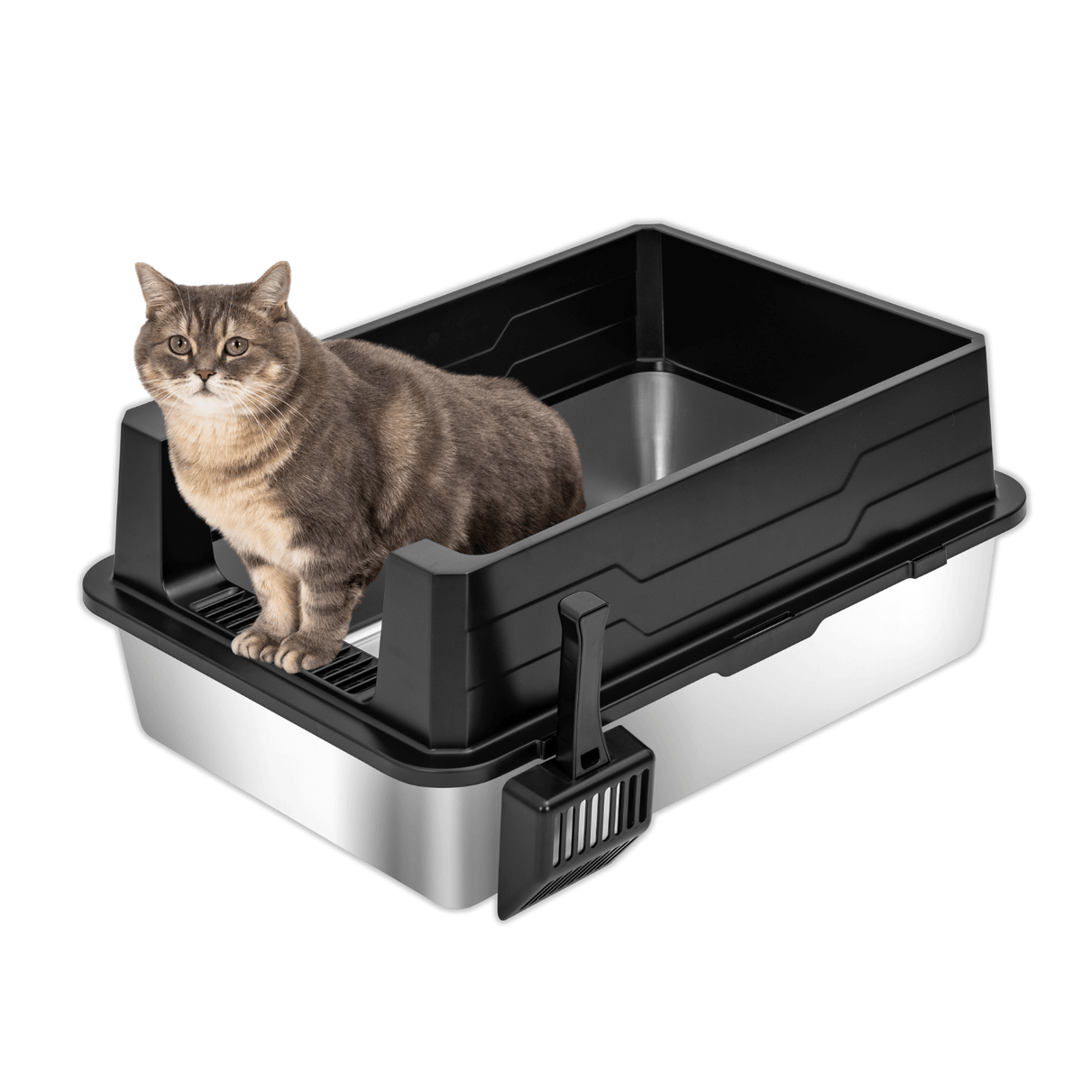
The XXL Front Entry Stainless Steel Litter Box offers unmatched durability and hygiene, making litter box maintenance simple. Say goodbye to messes and hello to a cleaner home with high walls and a non-stick surface. Shop now for a limited-time sale!
Restricting Access to Unsafe Rooms
Keeping cats away from hazardous areas like kitchens, cleaning supply closets, or laundry rooms is crucial for their safety. Installing doors or sturdy baby gates effectively prevents curious cats from wandering into these risky spaces where chemicals, hot surfaces, or water hazards may be present. For rooms without doors, pressure-mounted gates can offer a flexible and non-permanent solution. Choosing barriers that fit your home layout ensures both functionality and ease of use while maintaining your cat’s comfort.
In addition to physical obstacles, applying deterrent scents or textures can discourage cats from attempting to enter restricted rooms. Cats are sensitive to certain smells, such as citrus or lavender, and textures like double-sided tape or aluminum foil create an uncomfortable surface that deters exploration. To make this strategy more effective, enrich the cat-approved areas of your home with vertical spaces like cat trees and engaging toys. This redirection makes their designated zones more appealing than the forbidden ones. For more information on effective strategies, explore our guide on keeping cats out of rooms.
Removing Toxic Hazards and Physical Dangers
To create a truly safe home for your cat, you must identify and eliminate items that pose poisoning or injury risks. Many common household substances, from plants to cleaning supplies, can be hazardous if left unsecured. According to veterinary health experts, certain common houseplants such as lilies, caladium, and ivy are highly toxic to cats and can cause severe health complications if ingested. Beyond plants, everyday cleaning products, chemicals, human medications, and even certain foods can be dangerous.
Replacing toxic items with safe alternatives is a key strategy. This could mean swapping a toxic plant for a cat-safe African violet or bamboo palm. Securing all chemicals, medications, and potentially harmful foods in locked cabinets or high shelves greatly reduces accidental exposure. Physical dangers also include exposed electrical cords and small items that cats might chew or swallow. Taking these proactive steps not only protects your feline friend from immediate harm but also promotes a stress-free environment where they can explore safely.
Hazardous Plants and Substances
Many common houseplants, including lilies, tulips, oleander, and Sago Palm, are highly toxic to cats and can cause severe poisoning. Removing these plants and replacing them with cat-safe alternatives like African violets, spider plants, and bamboo provides peace of mind while adding greenery to your home. These safer plants allow your feline friend to enjoy natural surroundings without the risk of harmful exposure. Always research a plant's toxicity before bringing it into a home with cats.
In addition to plants, household cleaning products and chemicals pose serious hazards. It is essential to store these substances securely in tightly closed cabinets or on inaccessible shelves. Pay close attention to antifreeze, which has a sweet taste that can attract pets but is extremely lethal. Proper storage combined with choosing pet-friendly cleaning supplies wherever possible significantly reduces the risk of poisoning and keeps your home environment safe for every member of your family.
Electrical Cords and Small Objects
Securing electrical cords is crucial to prevent your cat from chewing on them, which can lead to painful burns, electric shock, or even fire. Use cord covers made from durable plastic or fabric, or run wires through PVC piping for maximum protection. Tucking wires behind furniture and bundling them together also minimizes easy access. Additionally, applying bitter-tasting deterrent sprays to exposed cords can effectively discourage chewing behaviors, protecting both your feline friend and your home's electrical system.
Small objects like hair ties, buttons, rubber bands, dental floss, and coins pose serious choking or internal obstruction hazards if swallowed. One pet owner shared a preventive setup where all charging stations were consolidated into a cable management box, and small craft supplies were stored in sealed containers. This successfully stopped their curious cat from chewing on wires and swallowing dangerous items. Such proactive measures create a safer environment and reduce stress for both cats and their owners. For more detailed tips, see our guide on how to protect electrical cords from cats.
Bathroom Safety and Drinking Water
Bathrooms can pose unique hazards for cats, so installing baby-proof locks on toilet seats is essential to prevent accidental drowning or ingestion of chemical cleaners. Additionally, keeping bathroom doors closed limits access to potentially dangerous items, such as cleaning products, medications left on counters, or razors. Secure bathroom trash cans, as they may contain discarded dental floss or other items that can cause internal blockages if eaten.
Providing multiple fresh water sources placed away from litter boxes and food bowls encourages cats to drink more often, promoting better hydration and urinary health. Avoid allowing cats to drink from toilets, as the water can contain harmful bacteria and chemical residues. Consider a cat water fountain; the moving water is often more appealing to cats, and the built-in filter ensures it stays clean. Ensuring easy access to fresh water supports a cat’s wellbeing and reduces the risk associated with them seeking out unsafe water sources.
Encouraging Positive Cat Behavior and Damage Prevention
Encouraging positive behavior is essential for maintaining a harmonious home while safeguarding your belongings. Cats do not respond to punishment; it often creates fear and anxiety, which can worsen behavior. Instead, training through positive reinforcement—rewarding desirable actions with treats, praise, or play—helps cats understand boundaries. Providing engaging alternatives is equally important. Scratching, climbing, and hunting are instincts, not bad behaviors. Redirecting these instincts to appropriate outlets like scratching posts, cat trees, and puzzle feeders promotes mental and physical enrichment.
Regular playtime is another key component of damage prevention. A vigorous play session can expend a cat's excess energy, making them less likely to engage in destructive activities out of boredom. Combining these strategies empowers cats to express themselves healthily. This approach allows owners to protect their home without suppressing the cat's instincts, fostering a relationship built on understanding and mutual respect.
Training and Behavior Redirection
Training your cat with positive reinforcement is a highly effective method to establish boundaries and encourage desirable behaviors. This approach rewards your cat with treats, affection, or play whenever they engage in appropriate actions, such as using a scratching post instead of the sofa. Over time, your cat learns to associate good behavior with positive outcomes, making them more likely to repeat it consistently. Animal behavior studies confirm that training methods based on positive reinforcement reduce stress and strengthen the human-animal bond.
A practical training routine involves redirecting unwanted behaviors in the moment. If you see your cat scratching furniture, gently guide them to a designated scratching post. Once their paws touch the post, reward them immediately. For more structured training, a clicker can be used to mark the exact moment of correct behavior before giving a treat. This repetition, combined with patience and consistency, gradually shapes their behavior into a positive habit. For more detailed strategies, consider exploring techniques for positive reinforcement for cats.
Nail Trimming and Furniture Protection
Maintaining regular nail trimming is a fundamental step in minimizing damage to furniture, carpets, and household items. By keeping your cat’s nails short and blunt, you reduce the likelihood of deep scratches on upholstery and wooden surfaces. Introduce nail trimming slowly and calmly, getting your cat accustomed to having their paws handled before attempting to clip. Using sharp, cat-specific clippers and avoiding the pink part of the nail, called the quick, prevents pain and bleeding. Regular trimming also promotes your cat’s comfort and health.
In addition to grooming, choosing furniture made from durable materials or using protective covers can significantly safeguard your belongings. Opt for pieces with tightly woven fabrics like microfiber or denim, which are harder for claws to penetrate. Furniture protectors such as clear plastic guards or double-sided tape can be applied to vulnerable corners to deter scratching. Combining consistent nail care with strategic furniture choices creates a proactive defense that keeps both your cat happy and your home looking its best. For more detailed ideas on this, explore ways to protect furniture from cats.
Creating a Dedicated Cat Room
Setting up a dedicated cat room involves creating a safe, comfortable space where all essentials—food, water, and the litter box—are thoughtfully placed. To reduce stress and promote good hygiene, keep the litter box in a separate corner from the food and water bowls. This carefully arranged environment provides your cat with a consistent sanctuary free from household chaos, filled with familiar scents and objects that encourage a sense of security.
This dedicated space is especially beneficial for anxious cats or those newly introduced to your home, as it offers a controlled area where they can acclimate without overwhelming stimuli. It also serves as a haven during stressful events like parties, renovations, or the introduction of a new pet. By minimizing exposure to triggers, this retreat supports emotional well-being and helps reduce fearful or aggressive behaviors, making the integration process smoother and fostering a trusting bond.
Using Technology and Environmental Enhancements
Incorporating technology like motion-sensor devices and pet cameras can significantly boost home safety while subtly guiding your cat’s behavior. These tools can be strategically placed near fragile items, kitchen counters, or other off-limits areas where physical barriers are impractical. They work passively, providing consistent correction even when you are not home. By integrating these tools with sensory deterrents, such as textured mats or non-toxic sprays, owners can create invisible boundaries that cats learn to respect without distress.
The practical application of these technologies helps provide peace of mind. Pet cameras allow you to monitor your cat's activity, identify behavioral patterns, and ensure their safety when you are away. Motion sensors that trigger a harmless puff of air or an ultrasonic sound can effectively keep cats off counters or away from dangerous plants. This modern approach not only protects household items but also fosters a safer environment through clear, consistent cues that work in harmony with your cat's learning process.
Motion-Sensor Devices and Deterrents
Motion-sensor devices are highly effective tools for keeping cats away from delicate or dangerous areas. By placing these sensors near valuable objects or restricted zones, you can create an automatic system that activates a harmless deterrent, such as a quick puff of air or a quiet ultrasonic sound. Products like the SSSCAT spray deterrent are popular because they are startling but not painful, leveraging a cat’s natural aversion to surprises while gently teaching boundaries.
In addition to electronic deterrents, using specific scents and textures can reinforce these no-go zones. Applying deterrent scents like citrus or commercial feline repellents makes areas unpleasant to investigate, while placing textures like vinyl carpet runners (nub-side up) on surfaces can physically discourage climbing. It is vital to combine these deterrents with attractive alternatives nearby, such as a tall cat tree next to a counter you want to protect. This multifaceted approach significantly enhances your environment’s safety and helps maintain your cat’s well-being. For more details on implementing these tools, see our guide on motion sensors for cats.
Conclusion
Cat-proofing is a comprehensive approach that blends environmental adjustments with positive training to create a safer, happier home. Removing toxic hazards and securing potential dangers are critical first steps that prevent common feline injuries and emergencies. Ultimately, proactive behavior management reduces property damage and enhances your cat’s comfort, strengthening the bond you share.
Begin implementing these tips today to strengthen your cat’s safety and deepen your bond through care and attentiveness.
Frequently Asked Questions
What are the most common poisons for cats in a house?
Common household poisons for cats include certain plants, chemicals, human foods, and medications. Highly toxic plants like lilies, tulips, and Sago Palms can cause organ failure and are often fatal. Household chemicals such as cleaning products, antifreeze, and rodenticides must be stored in secure, locked cabinets. Many human foods are also dangerous, including chocolate, onions, garlic, grapes, raisins, and anything containing the artificial sweetener xylitol. Additionally, common over-the-counter and prescription medications like ibuprofen, acetaminophen, and antidepressants can be lethal to cats. Removing these substances or ensuring they are completely inaccessible is essential for preventing accidental poisoning.
How do I protect my electrical cords from my cat?
Protecting electrical cords requires a multi-layered approach to prevent chewing and potential electric shock. Start by using physical barriers like durable cord covers, spiral wraps, or PVC tubing to encase the wires, making them difficult to chew through. Whenever possible, secure cords behind furniture or run them along baseboards where they are less accessible. For persistent chewers, applying a bitter-tasting deterrent spray directly to the cords can make the experience unpleasant without causing harm. It is also helpful to bundle loose cables together with ties and use a cable management box to hide power strips and chargers, keeping temptation out of sight.
What houseplants are toxic to cats?
Several popular houseplants are toxic to cats and should be removed from the home or kept in inaccessible areas. The lily family is particularly dangerous, as all parts of the plant are extremely poisonous and can cause kidney failure. Other common toxic plants include tulips, daffodils, hyacinths, oleander, azaleas, rhododendrons, Sago Palm, and Dieffenbachia (Dumb Cane). Even plants considered mildly toxic, like ivy and pothos, can cause significant oral irritation and digestive upset. Before bringing any new plant home, always verify its safety through a reliable source like the ASPCA's toxic plant list. Cat-safe alternatives like spider plants, Boston ferns, and African violets can provide greenery without the risk.
The Furrbby Difference: Built to Last, Designed to Save You Money
Perfect Memorial Day Upgrade for Multi-Cat Homes
Planned Obsolescence vs. Heirloom Quality: Why Steel Wins
Memorial Day Sale: Why Now Is The Best Time To Upgrade Your Cat’s Litter Setup