


14 Best Odor Eliminators That Aren't Chemical Sprays
by Taylor Claier on Oct 08, 2025
A persistent cat urine odor on a concrete porch or basement floor is a common frustration, especially when typical removers only mask the scent. Many pet owners struggle with this issue on porous surfaces, where chemical sprays can introduce unwanted harsh ingredients. Natural odor eliminators offer effective alternatives that resolve the problem while maintaining a healthier home environment.
This guide provides 14 proven natural methods to eliminate cat urine odors from concrete. We will cover practical cleaning tips and non-toxic solutions for a healthier, fresher home.
Essential Insights for Natural Cat Odor Removal
- Baking soda, activated charcoal, and enzymatic cleaners offer effective, chemical-free urine odor removal.
- Proper cleaning, aeration, and natural absorbents ensure long-lasting odor elimination from concrete.

Understanding Cat Urine Odor and Challenges of Concrete Surfaces
Cat urine odor is difficult to eliminate due to its chemical composition and concrete's porous nature. Urea in urine breaks down into ammonia, producing a strong smell that penetrates deep into the concrete. Surface-level cleaning only masks the scent without removing the bacteria and compounds trapped in microscopic pores, making targeted solutions essential for permanent removal.
Why Cat Urine Odor Persists on Concrete
Cat urine contains urea, which breaks down into potent, odor-causing ammonia that deeply penetrates porous concrete. This absorption allows the odor to linger long after surface cleaning. Standard methods that only mask scents fail to eliminate the underlying bacteria and residues, causing the smell to return. Effective urine odor removal from concrete requires solutions that penetrate the surface and neutralize the odor at its source.
Top Natural Odor Eliminators That Actually Work
Natural remedies offer a safe, effective way to combat cat urine odors on porous concrete. Simple household items like baking soda neutralize odor-causing compounds, while enzymatic cleaners break them down at a molecular level. Other effective options include activated charcoal for continuous absorption, vinegar for neutralizing, and essential oils for air quality. These solutions provide a complete toolkit for non-toxic odor control.
Baking Soda and Cornstarch: Absorbing Odors at the Source
Baking soda is a powerful natural odor absorber for porous concrete, as it neutralizes the acidic and alkaline compounds in urine. It penetrates the surface to absorb moisture and odor-causing particles. Cornstarch complements it well on nearby fabrics or carpets. To use, sprinkle either powder liberally, let it sit for several hours to absorb odors, then vacuum or sweep it away for effective, chemical-free natural odor absorbers.
White Vinegar and Hydrogen Peroxide: Natural Neutralizers and Cleaners
White vinegar effectively counteracts alkaline compounds like ammonia in cat urine, reducing odors instead of just masking them. This makes it one of the most effective urine odor neutralizers for porous surfaces like concrete, as it penetrates to break down odor-causing residues. Hydrogen peroxide complements this by targeting odor-causing bacteria, but for safety, never mix the two directly. Apply them separately or in a carefully diluted spray for a potent, non-toxic cleaning solution.
Activated Charcoal and Zeolite Rocks: Continuous Odor Absorption
Activated charcoal excels at absorbing moisture and odors, making it ideal for controlling cat urine smells in enclosed spaces or near affected concrete. Its porous structure continuously traps odor molecules without adding chemicals. Zeolite rocks work similarly through adsorption and can be easily recharged in direct sunlight, which releases trapped odors. Both offer a sustainable, non-toxic approach to long-term odor management. For more tips, review our guide on using an activated charcoal odor remover.
Coffee Grounds and Citrus Peels: Natural Fresheners with Added Benefits
Dried coffee grounds are excellent for absorbing strong odors in enclosed spaces due to their porous texture. They trap airborne molecules without introducing artificial fragrances. Similarly, fresh citrus peels from lemons or oranges act as natural air fresheners, using their essential oils to combat unpleasant smells. Together, they create an eco-friendly way to refresh your home, making them popular natural air freshening solutions for pet odors.
Essential Oils and Houseplants: Combining Scents with Air Purification
Essential oils like tea tree, lavender, and eucalyptus combat cat urine odors with their antimicrobial properties, inhibiting bacteria growth while adding a fresh scent. When used in a diffuser or diluted cleaning solution, they serve as effective natural odor neutralizers. Air-purifying houseplants like snake plants and peace lilies complement this by absorbing toxins and improving indoor air quality, creating a holistic, nature-based approach to odor reduction.
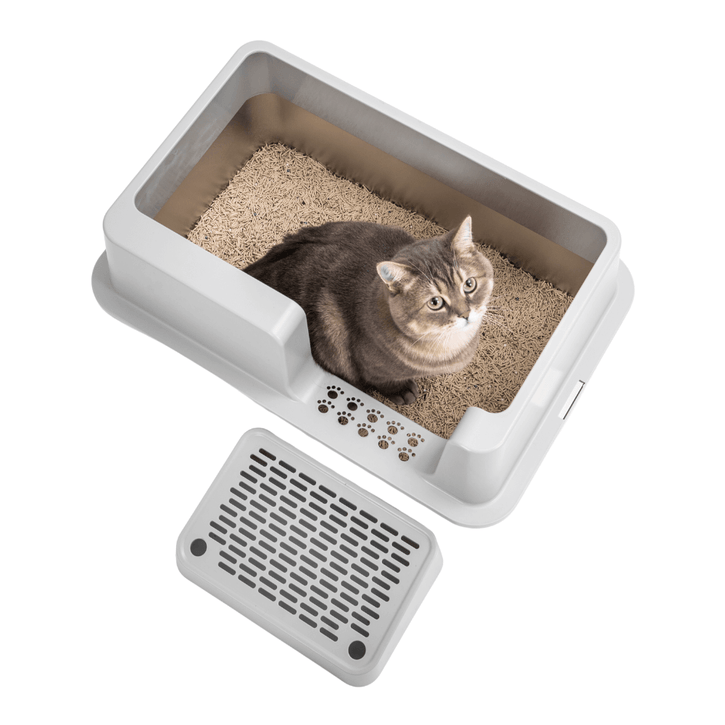
Upgrade Your Cat Care Essentials
Discover our range of stainless steel litter boxes designed for durability and easy cleaning. Experience superior odor resistance and style in every corner of your home that your feline will appreciate.
Salt, Vanilla Extract, and Newspaper: Simple Household Helpers
A natural desiccant, salt effectively absorbs moisture and odors from small, enclosed areas. Sprinkling it inside damp footwear helps reduce lingering smells by drawing out the moisture that fuels odor development. For a subtle scent enhancer, place cotton balls with vanilla extract in odor-prone spaces. Additionally, crumpled newspaper can trap smells and excess moisture in confined areas like storage boxes.
Proper Ventilation and Sunlight: Natural Odor Reduction Techniques
Proper ventilation is crucial for dissipating cat urine odors from concrete. Good air circulation carries away odor molecules and prevents moisture buildup where bacteria thrive. Sunlight is also a powerful natural sanitizer; its UV rays break down odor-causing compounds and kill bacteria on concrete surfaces. Combining these two methods accelerates drying and offers a chemical-free way to maintain a fresh home. For more information, explore these natural odor removal methods.
Best Practices for Cleaning Cat Urine from Concrete
Cleaning cat urine from concrete requires a methodical approach using natural solutions. Start by removing solid waste, rinsing the area, and scrubbing with a stiff brush to loosen deposits. After drying, apply natural absorbents like baking soda, followed by a neutralizing spray like vinegar, then ensure the area is well-ventilated and exposed to sunlight for best results.
Step 1: Pre-cleaning and Surface Preparation
First, prepare the concrete surface to maximize cleaning effectiveness. Remove any solid waste, then rinse the area with water to dilute urine residue. Use a stiff brush to agitate the surface, loosening embedded dirt and urine crystals for better penetration of cleaning agents. For more detailed instructions, see our concrete cleaning tips for pet odor.
Step 2: Applying Natural Cleaning Solutions
Once the concrete is dry, apply a generous layer of baking soda or cornstarch to draw out residual moisture and odors. Let it sit for several hours before sweeping it up. Follow this by spraying a mixture of white vinegar or diluted hydrogen peroxide to neutralize odor-causing bacteria. One pet owner found that repeating this process weekly eliminated stubborn urine odor from a basement floor without harsh chemicals.
Step 3: Drying, Ventilating, and Monitoring
Thoroughly drying the treated area is essential to prevent odor recurrence. Direct sunlight is ideal, as its UV rays help sanitize the concrete and break down odor compounds. If sunlight isn't available, use fans or open windows to enhance ventilation and accelerate drying. Monitor the area for any returning scent and reapply treatments if needed.
Preventive Measures to Avoid Recurring Odors
Establish a regular cleaning routine with natural products to prevent odor buildup. Use absorbents like activated charcoal in problem areas to capture moisture and neutralize smells continuously. Proper litter box management and training are also critical for long-term odor control, creating a healthier home environment.
Addressing Common Questions About Odor Elimination and Safety
To manage cat urine odor effectively, it's important to understand the tools available. Odor eliminators neutralize smells at the source, unlike air fresheners that only mask them. While ionic air purifiers can help, their safety around pets requires consideration, and enzymatic cleaners remain the most effective technology for breaking down urine compounds on porous surfaces like concrete.
Odor Eliminator vs. Air Freshener
Odor eliminators neutralize or absorb smells at the source by breaking down the responsible chemical compounds. Air fresheners merely mask odors with fragrance, offering a temporary fix. For long-term freshness and a healthier environment, especially on porous concrete, eliminating the odor's root cause is the superior solution.
Safety of Ionic Air Purifiers Around Pets
Ionic air purifiers release charged particles that can help clear airborne pollutants. However, some models produce ozone, which can irritate a pet's respiratory system. For pet safety, choose low- or no-ozone models, ensure good ventilation, or opt for alternative methods like HEPA filters and natural cleaners.
Most Effective Technologies for Removing Pet Odors
Enzymatic cleaners are the most effective technology for pet odors because their enzymes break down organic urine compounds at a molecular level. This process eliminates the odor source, preventing its return from porous surfaces like concrete. Pairing them with natural alternatives like baking soda creates a powerful, low-toxicity approach to odor removal.
Conclusion
Successfully removing cat urine odor from concrete requires a targeted approach that accounts for the material's porous nature. Natural eliminators like baking soda, vinegar, and enzymatic cleaners effectively neutralize smells at the source without relying on harsh chemicals. By combining thorough cleaning techniques with consistent ventilation and preventive care, you can ensure a lasting, fresh environment for you and your pets.
Put these natural methods to the test to reclaim your home from stubborn odors. For a complete approach to odor management, explore our cat care products designed for a cleaner, fresher home.
Frequently Asked Questions
What's the difference between an odor eliminator and an air freshener?
Odor eliminators neutralize or absorb smells at their source, permanently removing them. Air fresheners only mask odors with fragrance, offering a temporary solution that doesn't address the root cause.
Are ionic air purifiers safe for pets?
Ionic air purifiers can be effective, but some produce ozone that may irritate pets' respiratory systems. It is best to choose pet-safe models with low or no ozone output and ensure proper room ventilation during use.
What is the most effective technology for removing pet odors?
Enzymatic cleaners are the most effective technology because they use enzymes to break down the organic compounds in urine at a molecular level. This process eliminates the odor source, preventing it from returning, especially on porous surfaces like concrete.
The Eco-Footprint of 3 Cats: Reducing Waste with Steel & Pine
The Science of Hole Size: Why 5mm Matters for Pine Pellets
The True Cost of a Litter Box: Why a $150 Stainless Steel Box is Cheaper Than Plastic
We Swabbed It: ATP Test Results of Plastic vs. Stainless Steel