


14 Best Litter Boxes for Homes with Multiple Cats
by Taylor Claier on Dec 08, 2025
Sharing your home with several cats brings joy, but managing their litter boxes can be a significant challenge. When cats share a space, a proper setup is crucial to prevent avoidance behaviors that lead to household messes and tension. Balancing each cat's preferences with your home's layout requires careful planning.
This guide provides a detailed approach to selecting and arranging litter boxes for multi-cat homes. We will cover everything from the ideal number of boxes to placement strategies that maintain cleanliness, reduce disputes, and ensure every cat's comfort.
Key Insights for Multi-Cat Litter Box Success
- Providing one litter box per cat plus an extra in quiet, spread-out locations improves harmony and cleanliness.
- Choosing the right size, type, and cleanliness routine tailored for each cat prevents behavioral issues and ensures comfort.

Why Litter Box Setup Matters in Multi-Cat Homes
In multi-cat households, the setup of litter boxes is fundamental to behavioral health and hygiene. Cats are territorial and often view key resources, including litter boxes, as their own. Insufficient or poorly placed boxes can trigger resource guarding and competition, leading to stress and avoidance behaviors like urinating outside the box. A well-designed setup reduces this tension by giving each cat a secure, private spot to relieve themselves. This directly supports their comfort, lowers stress levels, and reinforces positive litter habits.
Hygiene is also significantly impacted by litter box arrangement. With multiple cats, waste and odor accumulate quickly. Providing enough boxes in well-spaced, low-traffic areas helps disperse usage, minimizing odor buildup and contamination risks. This thoughtful management encourages consistent use and helps prevent health issues like urinary tract infections (UTIs), which can arise if cats hold their waste due to fear or lack of access. Ultimately, a proper litter box strategy is the foundation of a harmonious and healthy multi-cat environment.
Understanding Cats’ Litter Box Preferences
Cats instinctively seek privacy and quiet when using their litter boxes. This preference stems from a natural vulnerability; in the wild, a cat is exposed to predators while eliminating. They prefer low-traffic areas where they feel safe, undisturbed, and have clear escape routes. Size is equally important. A litter box should be at least one and a half times the length of your cat, allowing them to turn around and dig comfortably. A box that is too small can feel cramped and lead to avoidance behaviors.
Variety in box styles can greatly improve harmony among multiple cats, as each may have different preferences. Some appreciate covered boxes for maximum privacy, while others favor open designs that offer better visibility and ventilation. For example, one multi-cat household resolved ongoing tension after introducing both a large, open-top box and a hooded one in different quiet corners. One cat immediately claimed the open box, while the shyer one preferred the enclosure. This simple change gave each cat a preferred option, significantly reducing conflicts and accidents. Understanding feline instincts and preferences, as highlighted in cat behavior studies, is key to creating a peaceful environment.
Consequences of Poor Litter Box Management
When litter boxes are insufficient or poorly placed, cats often avoid them, resulting in accidents around the home. This behavior is a direct response to stress from overcrowding, a lack of privacy, or discomfort with the location. Stress from territorial disputes escalates in homes lacking adequate resources, as cats may compete for access or block each other from using the boxes, leading to anxiety and aggression. Look for subtle signs of stress like hiding, changes in appetite, or over-grooming, which can indicate an underlying litter box issue.
Withholding waste due to an unsuitable environment can cause serious health problems, including painful urinary tract infections and bladder inflammation. These medical conditions can worsen behavioral problems if a cat begins to associate the litter box with discomfort. Addressing common litter box problems by providing enough clean, accessible boxes in appropriate locations is critical. This preventative approach helps maintain a harmonious and healthy multi-cat home.
How Many Litter Boxes Do You Need and Where to Place Them
When managing litter boxes for multiple cats, the guiding principle is to provide one litter box per cat plus an extra one. This simple formula—number of cats + 1—is non-negotiable for harmony. For instance, a household with three cats should have four litter boxes. This setup ensures each feline has a choice and sufficient personal space, which significantly minimizes territorial disputes and avoidance behaviors. The extra box acts as a neutral option, preventing a cat from being cornered or blocked from access by another.
Placement is just as crucial as quantity. Litter boxes should be distributed across different quiet and private locations, ideally on every floor of a multi-level home. Avoid placing them in high-traffic or noisy areas, such as next to a washing machine or in a busy hallway. It's also wise to separate boxes for cats known to be territorial. Spacing the boxes out prevents clustering, reduces competition, and promotes a calm, clean environment for all your pets.
The Golden Rule: Boxes Per Cat Plus One
In a multi-cat home, the accepted guideline is simple: provide one litter box for each cat, plus one extra. This additional box is crucial. It gives your cats more options, which reduces competition and territorial disputes over resources. Because cats can be sensitive to crowding, the extra box provides freedom and choice, helping maintain peace throughout your home.
The rationale behind the extra box is rooted in feline psychology. Some cats refuse to use a box if another feline has recently used it, while others develop strong preferences for certain locations or box types. Offering an extra, strategically placed box ensures that every cat has reliable access to a clean, desirable spot. This simple measure minimizes stress and helps prevent accidents outside the litter box. For more details on calculating your needs, see our guide on how many litter boxes your cats require.
Upgrade Your Cat's Comfort
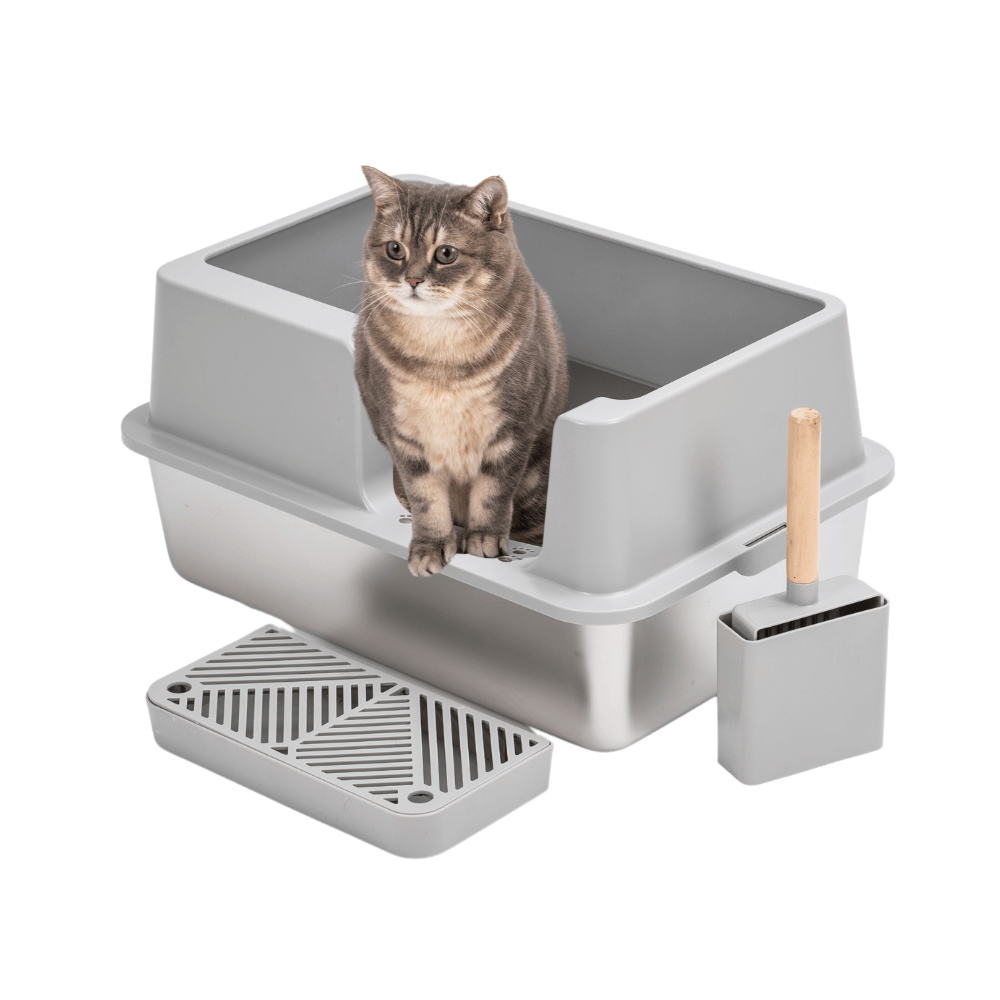
Experience the benefits of a stainless steel litter box designed for cleanliness and ease. With high walls and a unique step design, this litter box keeps messes at bay while providing a welcoming space for your feline friends.
Ideal Litter Box Locations for Multi-Cat Homes
When managing litter boxes for multiple cats, placing them on every floor of a multi-level home is essential. Cats value convenience, and having an accessible box on each level reduces stress and prevents accidents. Choose quiet, low-traffic areas—such as a corner of a home office, a guest bathroom, or a laundry room—to give cats the privacy they need. Never place food and water bowls near a litter box, as cats have an instinct to eliminate away from where they eat.
In households with territorial cats, separating their litter boxes into distinct locations minimizes stress and conflict. Observe your cats’ interactions to guide placement, ensuring each feline feels secure. Thoughtfully spreading boxes across private, calm spots supports harmonious coexistence. For more detailed guidance, see our section on multi-cat litter box setup.
Choosing the Right Litter Boxes for Multiple Cats
Selecting the right litter boxes for a multi-cat household is critical to ensuring comfort and harmony. Size plays a major role; boxes should be at least one and a half times the length of your largest cat to provide ample space. Material is also key. While plastic is common, it can absorb odors and scratch over time, trapping bacteria. Stainless steel is a superior alternative, as it is non-porous, resists odors, and is far more durable. Offering a variety of box types, such as open and covered designs, accommodates individual preferences and reduces territorial disputes.
Self-cleaning litter boxes offer significant advantages in busy multi-cat environments by automatically removing waste. This keeps the boxes consistently clean, which can reduce odors and encourage regular use. However, some cats need time to adjust to the mechanical noise or movement, so a gradual introduction is recommended. Often, a combination of traditional and self-cleaning options delivers the best results, allowing you to tailor your setup to your cats’ unique needs and your lifestyle.
Size and Variety: No Box Is Too Big
When it comes to litter boxes, bigger is always better. Choosing boxes that are at least one and a half times the length of your largest cat ensures they have enough room to move comfortably. This space reduces the chance of litter being kicked out, keeping the area cleaner. Offering a variety of styles—such as high-sided open boxes, traditional covered models, and low-entry options for senior cats—caters to different feline preferences. Some cats feel secure in an enclosed space, while others prefer an open design with clear sightlines.
Durability is another crucial factor, especially in multi-cat homes where boxes see heavy use. Sturdy materials that are easy to clean will extend the lifespan of the box and support long-term hygiene. By providing large, durable, and varied options, you help minimize stress and territorial disputes among your cats. For oversized solutions, exploring extra-large litter box selections can help you find a perfect fit.
Benefits of Self-Cleaning Litter Boxes in Busy Households
Self-cleaning litter boxes automatically remove waste, ensuring the litter remains fresh throughout the day. This consistent cleanliness is especially valuable in multi-cat homes, where waste accumulates quickly. By automating the scooping process, these boxes reduce the daily maintenance for owners while maintaining a hygienic environment that cats are more likely to accept. A perpetually clean box minimizes odors and can prevent litter avoidance behaviors.
While the benefits are clear, it's important to manage the transition carefully. The noise and motion of an automatic box can startle timid cats. Introduce it by placing it near the old box but leaving it turned off for a few days. Once your cats use it, you can activate the cleaning cycle. Keep the old box available for a week or two to ensure a stress-free adjustment. When integrated thoughtfully, self-cleaning litter boxes can be a practical solution for busy households. If you're ready to simplify your routine, explore our selection of automated litter boxes.
Maintaining Cleanliness and Preventing Conflicts
In multi-cat households, a strict daily cleaning routine is essential to prevent territorial disputes and keep litter boxes inviting. Scooping waste at least once a day—ideally twice—helps control odors and reduces the risk of cats avoiding their boxes. Using clumping, unscented litter is generally preferred, as strong fragrances can deter sensitive cats. It is also vital to wash the boxes regularly with a mild, unscented detergent and hot water, as harsh chemicals like ammonia or citrus can repel cats.
Beyond cleanliness, behavioral strategies play a crucial role. Placing multiple boxes in separate, quiet locations reduces competition and gives each cat private access to their own space. Observe your cats’ behavior to identify territorial tendencies. If one cat consistently guards a box, you may need to add another box in a different area to de-escalate the situation. These proactive steps minimize confrontations and help all cats feel comfortable and secure.
Daily Cleaning and Odor Control Tips
Scooping waste at least once daily is the most effective way to control odors and encourage consistent use. Using a quality clumping litter makes this process quick and efficient. Most veterinarians recommend unscented litter, as cats have sensitive noses and may be put off by artificial fragrances. A layer of baking soda at the bottom of the box before adding litter can also help absorb odors without deterring your cats.
In addition to daily scooping, a full litter change and box washing should happen every two to four weeks. Use a mild, unscented soap and warm water, as strong cleaners can leave a residue that offends cats. These simple habits are fundamental in preventing litter box problems and maintaining a harmonious, hygienic environment for your feline companions.
Separating Boxes for Territorial Cats
In households with territorial or incompatible cats, placing litter boxes in distinct locations is essential to reduce stress. Cats value privacy and may refuse to use a box that is too close to another cat's preferred territory or in a high-traffic spot where they feel exposed. Providing separate litter box areas allows a territorial cat to claim a space without feeling threatened, which can prevent guarding behaviors and ambushes.
Observe your cats’ interactions and habits to understand their needs. Some cats may prefer a box tucked away in a quiet corner, while others might feel safer in a location with multiple escape routes. Adjusting box placement based on these behavioral cues promotes comfort and consistent usage. By addressing territorial tensions effectively, you foster a more peaceful environment. For deeper insights, exploring cat behavior can provide further guidance on managing these dynamics.
Additional Tips and Troubleshooting Common Issues
Even with a perfect setup, litter box issues can arise from territorial disputes, stress, or individual preferences. Signs of a problem include a cat urinating or defecating just outside the box, frequent attempts to guard a specific box, or a sudden reluctance to use any box. Recognizing these behaviors early is crucial for maintaining harmony. These actions are often a cat's way of communicating distress or discomfort with their environment.
Practical responses include adding another litter box, ensuring each cat has a stress-free path to at least one box, and varying the types and placements of boxes. Observe your cats’ interactions and adjust locations to reduce tension. For particularly territorial cats, creating separate "resource stations" with their own food, water, and litter box can be highly effective. If problems persist, a consultation with a veterinarian is essential to rule out any underlying medical causes.
When Cats Refuse to Share: Alternatives and Solutions
When cats refuse to share litter boxes, it often signals that their individual preferences or territorial instincts need more accommodation. Offering multiple litter box types—such as covered, uncovered, or corner models—and placing them in different quiet locations can address this. This variety allows each cat to choose a box that meets their comfort level for privacy and accessibility, reducing the stress associated with forced sharing.
Pheromone diffusers can also help by creating a calming environment that eases tension and encourages positive associations with litter box areas. Additionally, simple environmental enrichment, such as adding more vertical spaces like cat trees and scratching posts, can reduce stress by giving cats more territory to claim. If avoidance or marking behaviors persist, consulting a veterinarian is crucial to rule out medical issues and receive tailored guidance.
Conclusion
- Providing one litter box per cat plus one extra creates choice and reduces conflict.
- Placement in quiet, varied locations supports natural feline privacy and comfort.
- Selecting varied box types and maintaining cleanliness preserves health and harmony.
- Understanding cat behavior enhances your ability to tailor setups effectively.
Investing in the right litter boxes and setup is essential for supporting your cats’ well-being. A thoughtful approach will help you maintain a fresh, peaceful home environment for everyone.
Frequently Asked Questions
How many litter boxes do I need for 3 cats?
For three cats, the ideal number of litter boxes is four. The established rule is one litter box per cat, plus one extra. This "plus one" strategy is crucial because it prevents competition and gives cats options. One cat might prefer a quiet corner, while another feels safer in a more open area. The extra box ensures there is always a clean, available option, which significantly reduces territorial stress and the likelihood of accidents outside the box.
By following this formula, you cater to their instincts for cleanliness and privacy. It's a simple investment that directly contributes to a more harmonious multi-cat household by ensuring every cat feels secure and comfortable. Insufficient boxes are one of the most common causes of litter box problems, so providing an adequate number is a foundational step.
What is the best litter box setup for multiple cats?
The best setup combines the right number of boxes with strategic placement and variety. First, follow the "one per cat plus one" rule. Next, place these boxes in calm, private areas spread throughout your home, with at least one on each floor. Avoid clustering them together, as cats will view them as a single large toilet, defeating the purpose of having multiple options. Good locations include guest bathrooms, laundry rooms, or quiet corners of living spaces.
Finally, offer a variety of box types—such as large open pans, high-sided boxes, or covered models—to match individual preferences. Some cats like privacy, while others need clear sightlines. A thoughtful combination of quantity, strategic placement, and variety creates a low-stress environment that promotes cleanliness, comfort, and peaceful coexistence among your cats.
Do cats mind sharing a litter box?
While some bonded cats may tolerate sharing, most cats prefer not to. In their natural habitat, cats do not share toilets, and this instinct remains strong in a domestic setting. Sharing can lead to territorial disputes, where one cat might "guard" the box and prevent others from using it. This behavior can cause stress and lead to house-soiling issues as the blocked cat seeks alternative places to relieve itself.
Providing one litter box per cat plus an extra one minimizes these conflicts. It allows each cat to have its own space and an alternative if its preferred box is occupied or has been recently used. By giving them choices and separating the boxes in different locations, you respect their territorial nature and promote a cleaner, more comfortable environment for everyone.
Furrbby in the Spotlight: Our 2026 Hygiene Collection Makes Waves Across Major Media Outlets
Arthritis & The Potty: Why Low Entry + High Walls = Comfort
The "Flip" Test: Why Stainless Steel Boxes Don't Tip Over
The 30-Day "Peace of Mind" Guarantee: What If My Cat Hates It?